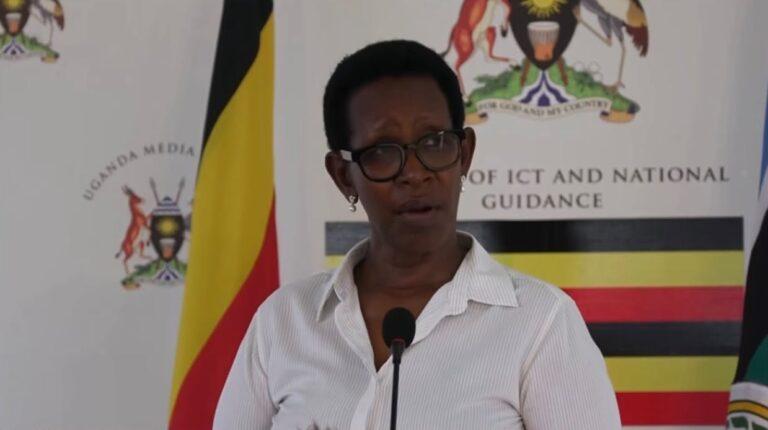

WHO and other health authorities are urging people to remain cautious as the highly contagious virus continues to spread in parts of Central and East Africa. Uganda has already declared a national emergency after confirming Ebola infections linked to the outbreak in the eastern DR Congo.
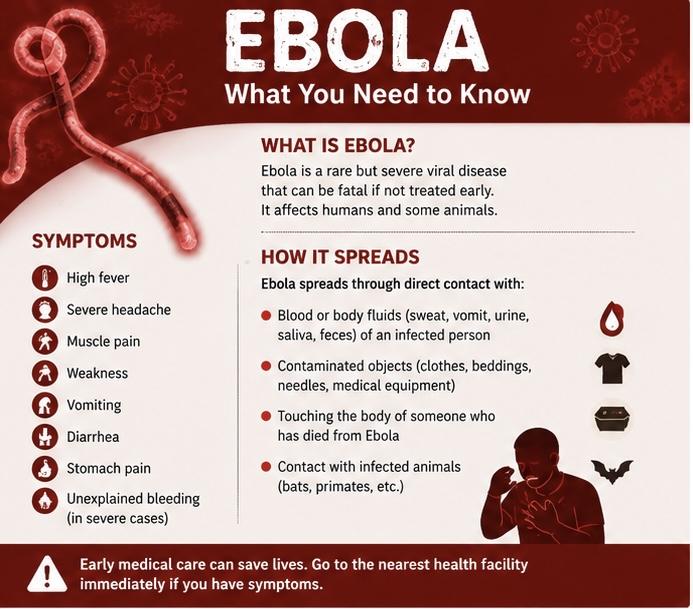
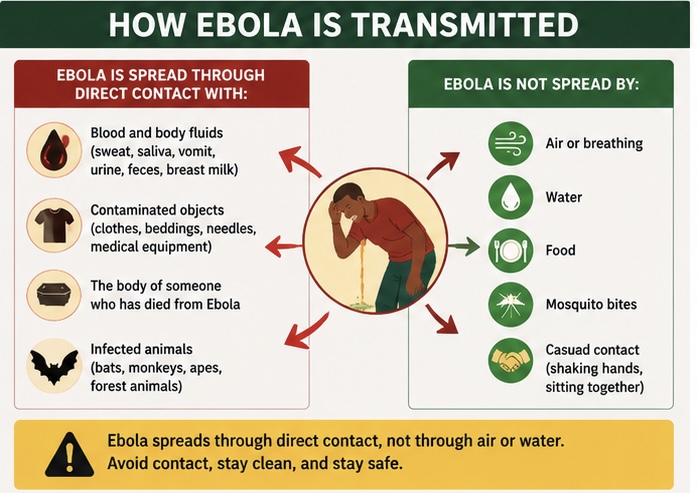
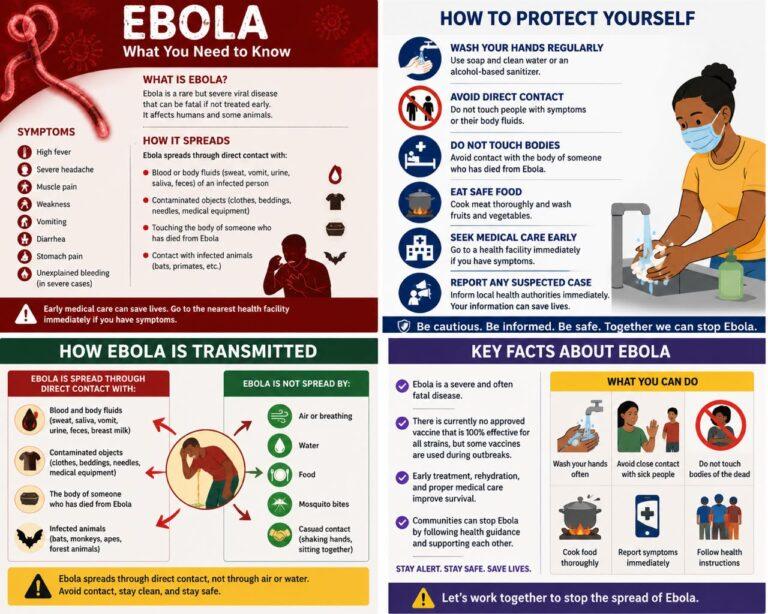
Ebola is a severe viral disease that spreads through direct contact with bodily fluids from an infected person, including blood, sweat, vomit, saliva, and urine. The virus can also spread through contact with contaminated clothes, bedsheets, medical equipment, or the bodies of people who died from the disease.
Health experts warn that Ebola does not spread through the air like ordinary flu or COVID-19, but close physical contact can rapidly spread infections within families, hospitals, and communities.
Common symptoms include high fever, weakness, headaches, muscle pain, vomiting, diarrhea, and, in severe cases, internal and external bleeding.
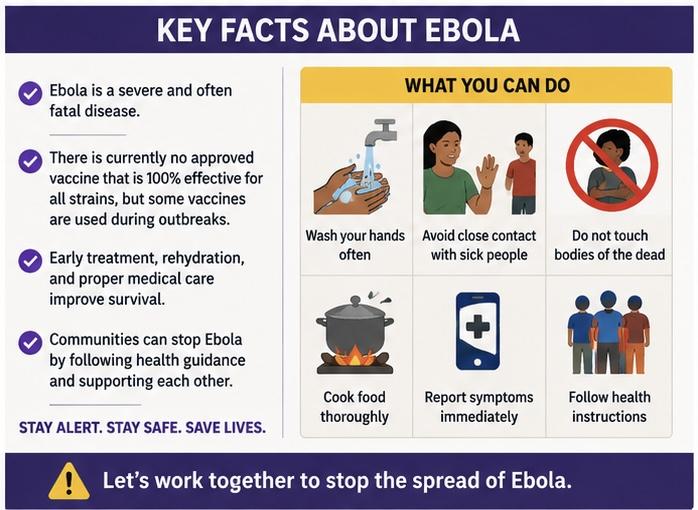
Although scientists have developed vaccines for some strains of Ebola, there is still no universal cure or fully effective vaccine for every outbreak and strain. Early treatment and isolation remain the most important ways to reduce deaths and stop transmission.
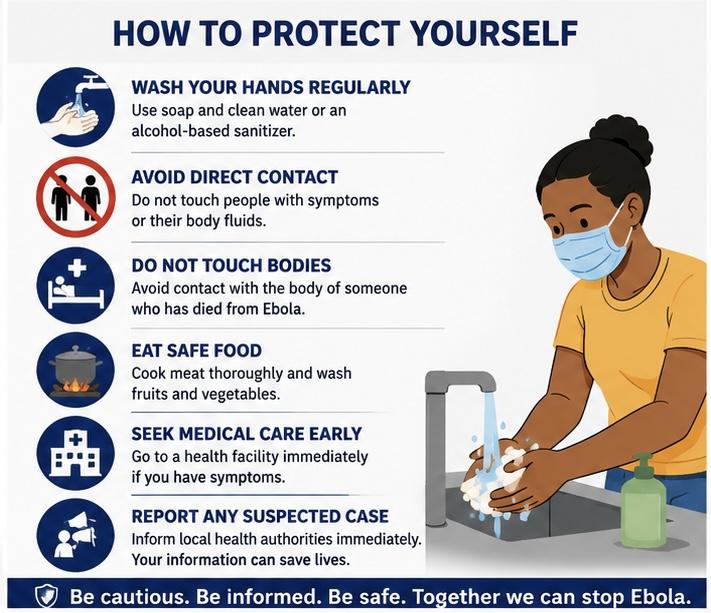
Health authorities are advising people to avoid physical contact with anyone showing symptoms, avoid touching bodies during funerals, regularly wash hands with soap or sanitizer, and immediately report suspected cases to health officials.
People traveling to affected regions are also being urged to remain alert and follow public health instructions carefully.
The latest outbreak has raised fears of a wider regional spread due to busy border crossings, trade routes, and movement between eastern Congo and neighboring countries, including Uganda.
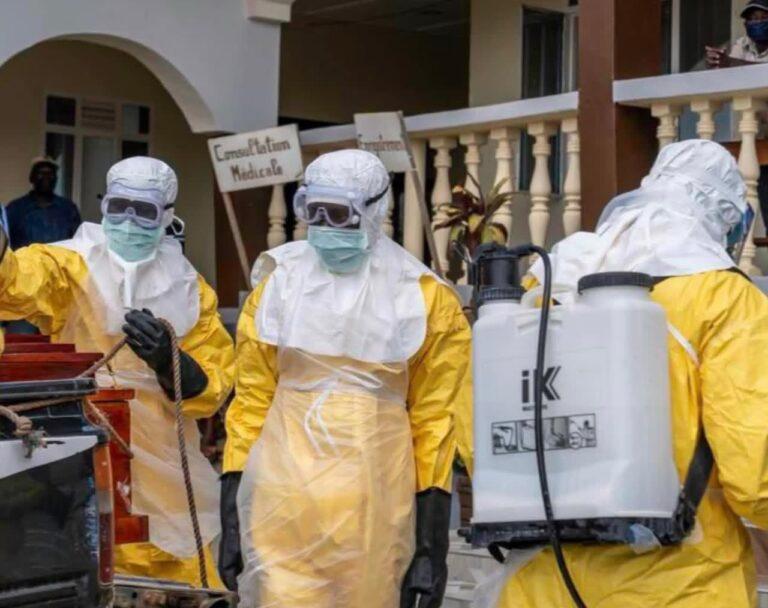
Medical teams and international agencies are continuing surveillance, contact tracing, and emergency response efforts as governments try to contain the outbreak before it spreads further.