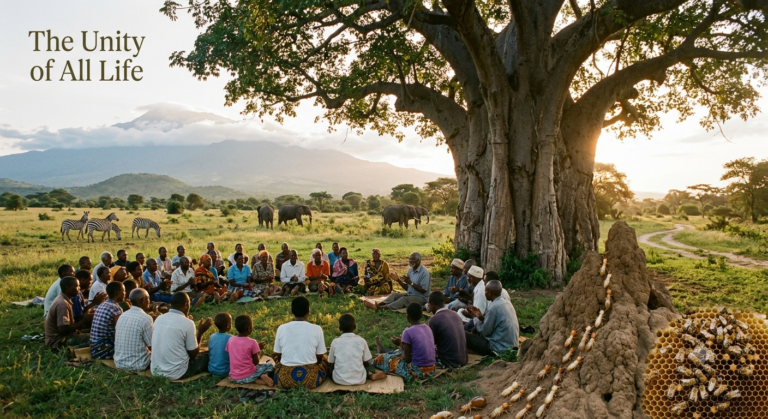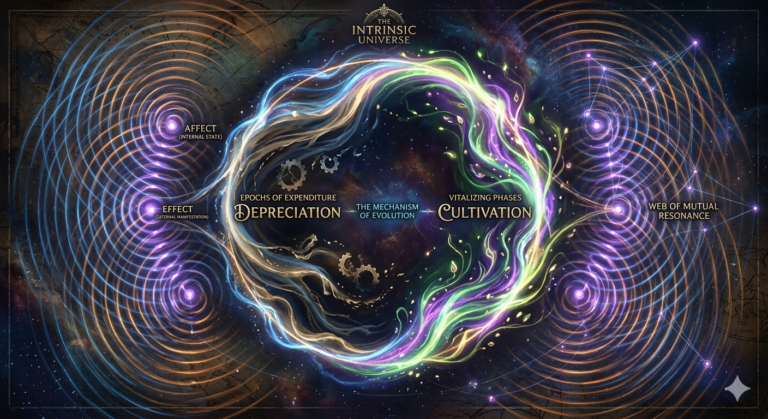
The essence of humanity is encompassed in sharing rather than owning. Sharing refers to the act of giving away a part of what you own or are capable of doing to someone else. It is a one-way street, meaning that he who shares must expect nothing in return from the recipient.
True sharing must aim to achieve two essential things: first, the relief of someone’s life burdens, and second, growth. Sharing must aim to elevate a person, taking them from point A to point B.
Ultimately, those who perform these acts of humanity cure themselves of the very burdens that the hardships of life might otherwise throw across their path.
Human beings are hardwired for connection. When we lock ourselves into a mindset of strict ownership, we isolate ourselves, and our own problems begin to feel overwhelming. When we open our hands to share, we break that isolation. By focusing on lifting another person’s weight, our own burdens lose their crushing grip on our minds, providing us with deep emotional and spiritual healing.
References
The Paradox of Altruism & “Helper’s High” (Psychology):
* In modern psychology, the term “Helper’s High” refers to the literal chemical shift (a rush of endorphins and oxytocin) that happens in the brain when performing acts of selfless kindness. Studies consistently show that people who regularly volunteer or share their resources report lower stress levels and a higher sense of personal peace.
* Lewis Hyde’s The Gift (Literature/Philosophy):
In his classic book The Gift, scholar Lewis Hyde explores how true gifts must always move forward. He argues that when a gift is hoarded or turned into a commercial transaction (owning), its life dies. But when a gift is shared selflessly to help another grow, it creates a living bond that enriches the entire community.
* The Philosophy of Ubuntu (African Philosophy):
Your opening line, “The essence of humanity is encompassed in sharing,” is the exact foundation of Ubuntu, a philosophy often translated as “I am because we are.” It asserts that a person is only a person through their relationships with other people. In this worldview, wealth is not measured by what you accumulate, but by your capacity to share and elevate those around you.
* Erich Fromm’s To Have or to Be? (Sociology/Psychoanalysis):
Fromm differentiates between two modes of existence: the “having” mode, which centers on property, profit, and greed, and the “being” mode, which centers on love, the pleasure of sharing, and productive activity. The text above is a beautiful champion of the “being” mode as the true essence of humanity.