
Demonstrations erupted across parts of Kenya over sharp increases in fuel prices, which many citizens blame on the economic effects of the ongoing conflict in the Middle East.
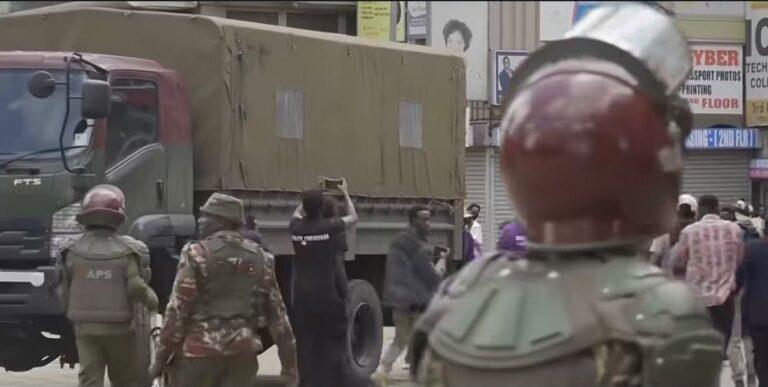
Witnesses reported running battles between protesters and security forces, with smoke rising from burning barricades and businesses shutting down in several urban areas as tensions escalated.
Authorities confirmed that at least four people were killed during the unrest while dozens of others suffered injuries, including protesters, bystanders and members of the security forces.
The Kenyan government accused what it described as “criminal groups” of hijacking the demonstrations and targeting government offices, commercial buildings, and private property during the chaos.
Officials said several public facilities were vandalized, while some shops and vehicles were damaged in confrontations linked to the protests.
The demonstrations were largely driven by growing frustration over the rising cost of living, particularly after recent fuel price increases pushed transport and food costs even higher across the country.
In Nairobi, transport disruptions continued after public service vehicle operators launched strikes demanding the government reverse the latest fuel hikes.
The economic pressure has intensified following instability in global oil markets linked to the war in the Middle East, which has affected fuel-importing countries across Africa.
Critics of President William Ruto’s administration argue the government has failed to cushion ordinary Kenyans from the crisis, while officials insist international conditions have left limited options.
Human rights groups, meanwhile, called for restraint and urged security forces to avoid excessive force against demonstrators.
By late evening, security remained heavily deployed in parts of Nairobi and other major towns as authorities attempted to prevent further unrest.