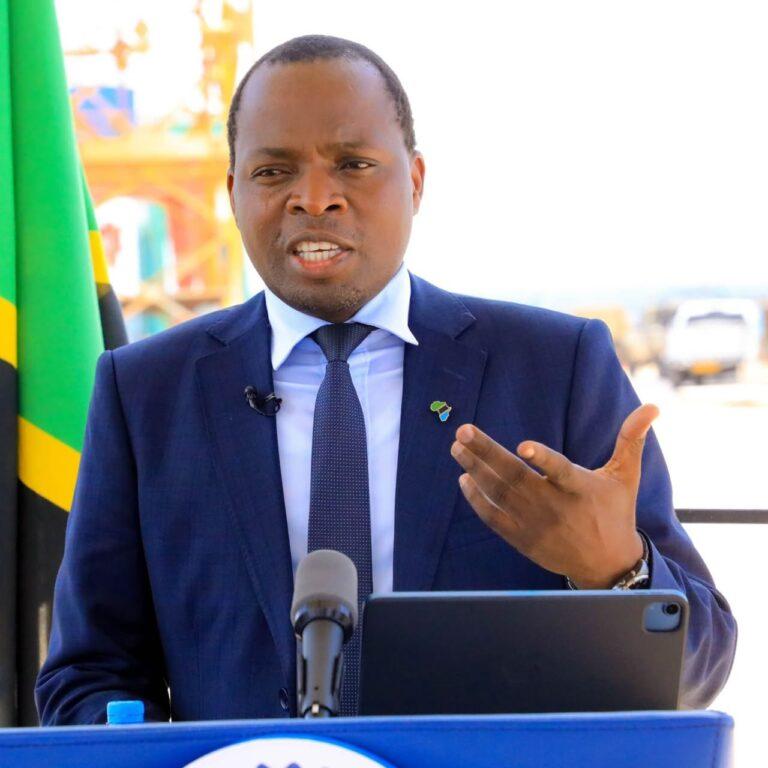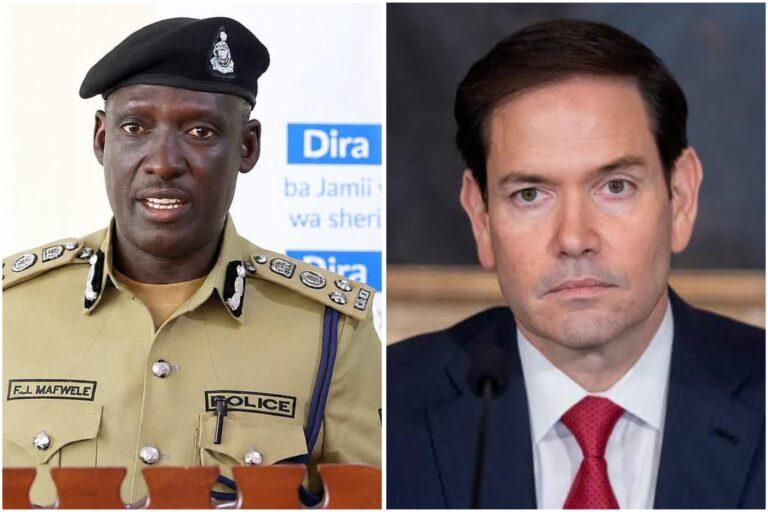
The U.S. Department of State announced sanctions against the Tanzanian Police Force (TPF) Senior Assistant Commissioner Faustine Jackson Mafwele under Section 7031(c) of U.S. law, accusing the senior police official of involvement in gross violations of human rights.
The designation bars Mafwele from entering the United States. In a statement released by the U.S. Embassy in Tanzania, Washington said the action followed “credible information” linking the senior officer to serious abuses committed by members of the.
“One year ago, members of the TPF detained, tortured, and sexually assaulted Ugandan Agather Atuhaire and Kenyan Boniface Mwangi, who were in Dar es Salaam to observe the judicial trial of opposition leader Tundu Lissu,” the statement said.
The case involving Ugandan activist and Kenyan activist attracted international attention after the two alleged they were abducted, abused, and assaulted by individuals they identified as security officers while visiting Tanzania.
The U.S. announcement also revived attention around previous allegations involving Tanzanian activist, popularly known as Sativa, who survived a near-fatal shooting after reportedly being detained by individuals identifying themselves as police officers.
In interviews following the attack, Mwakabela accused Mafwele of personally participating in the operation and claimed the officer shot him multiple times at close range. Mwakabela survived the attack despite sustaining severe injuries. His case later became one of the most discussed human rights incidents involving Tanzanian security authorities. The allegations have never been tested in court, and Tanzanian authorities have not publicly confirmed them.
Human rights organizations have repeatedly raised concerns in recent years over disappearances, arrests, alleged torture cases, and attacks targeting opposition supporters, journalists, and activists in Tanzania, particularly during politically sensitive periods.
The U.S. action is significant because Section 7031(c) sanctions are usually reserved for foreign officials accused of major corruption or serious human rights abuses.
Washington has increasingly used such sanctions globally as a diplomatic tool aimed at publicly naming officials accused of abuses while restricting their access to the United States.
The designation comes amid renewed international attention to Tanzania’s political environment ahead of future electoral and opposition-related developments.
So far, Tanzanian authorities have not publicly responded to the U.S. announcement. The move may also place additional diplomatic pressure on relations between Washington and Dar es Salaam, especially as Western governments continue emphasizing human rights protections and political freedoms across East Africa.