Physical Address
Delta Corner Tower,
Waiyaki Way, Westlands, Nairobi, Kenya.
Contact us:
Email: info@todaysw.com
Physical Address
Delta Corner Tower,
Waiyaki Way, Westlands, Nairobi, Kenya.
Contact us:
Email: info@todaysw.com
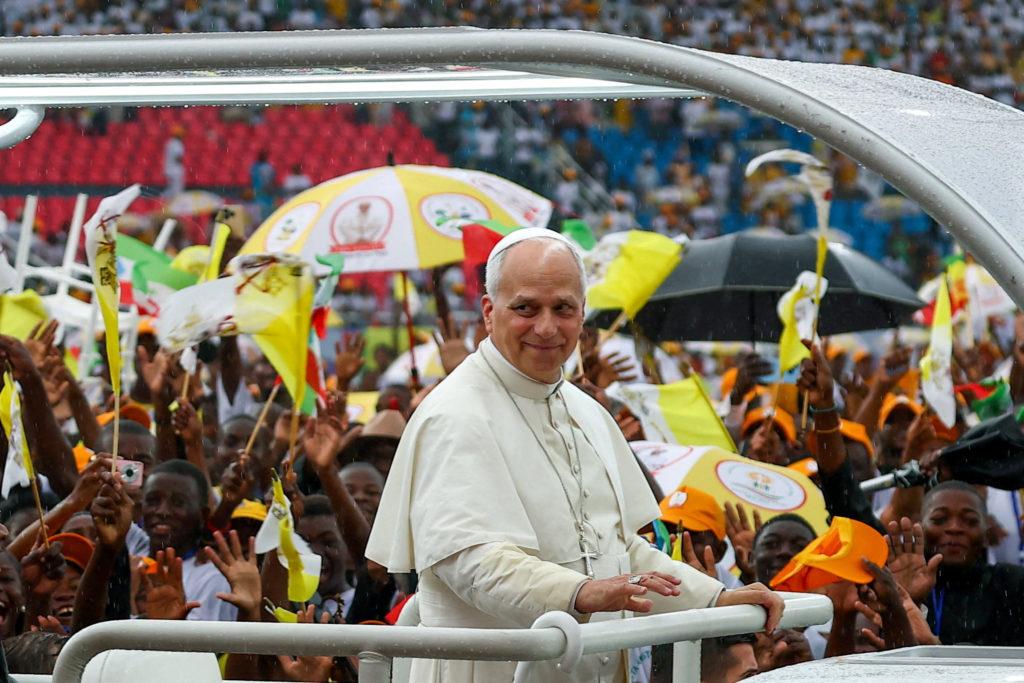
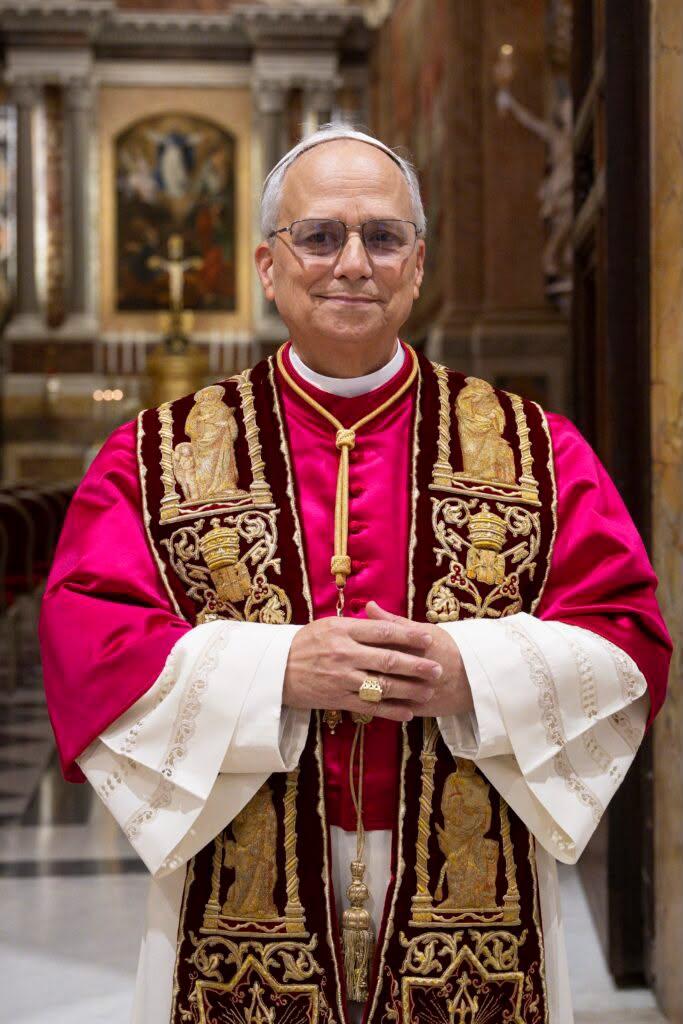
When Pope Leo XIV toured Africa in April, his speeches were not one-size-fits-all. In each country, the tone shifted sometimes subtle, sometimes direct depending on the challenges on the ground.
Here’s what he left behind in each stop:
In Algeria, where Christians are a minority, Pope Leo focused on religious coexistence and restraint. His message was less political and more cultural, urging mutual respect between faiths and warning against division.
He emphasized that belief should not become a source of conflict, in a region where religion and identity are tightly intertwined.
In Cameroon, the tone shifted.
Here, Pope Leo addressed young people directly, speaking about unemployment, frustration, and the temptation of leaving the country for better opportunities. He warned leaders about corruption and called for systems that give young Africans a real future at home.
His message: Africa’s biggest resource is its youth but it is being wasted.
Standing in oil-rich Angola, the Pope delivered one of his most pointed messages.
Despite vast natural resources, many citizens still face poverty. He challenged leaders and global actors alike, questioning why wealth does not translate into improved living conditions.
The underlying message was clear: resource-rich nations should not have poor populations.
His final stop, Equatorial Guinea, carried the strongest political tone.
In a country often criticized for inequality and governance issues, Pope Leo spoke about responsibility in leadership and the dangers of concentrated power. He highlighted the gap between national wealth and everyday life for citizens.
It was here that he also held large public events, including open-air masses, reinforcing both spiritual presence and public visibility.
Across all the countries he visited, Pope Leo XIV delivered messages that, while focusing to local realities, followed a clear and consistent thread. He warned against the continued exploitation of Africa’s resources, called for stronger accountability from leaders, and stressed the urgency of empowering young people across the continent. He also questioned why wealth in resource-rich nations continues to bypass ordinary citizens, insisting that economic gains must translate into real improvements in people’s lives.
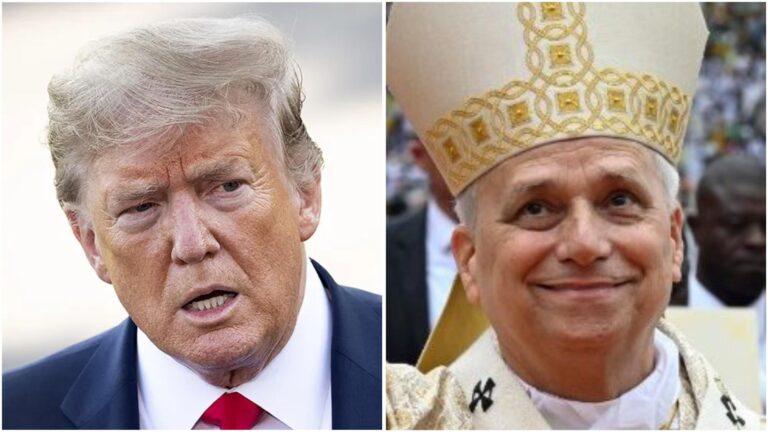
At the same time, his global stance added another layer to the tour. His indirect tensions with Donald Trump pulled parts of the visit into a wider geopolitical spotlight, linking African challenges to global debates on inequality, migration, and the balance of power in international relations.
The impact of the tour goes beyond speeches and symbolism. It brought renewed global attention to African issues, elevated local concerns onto international platforms, and forced uncomfortable but necessary conversations, both within African governments and beyond the continent. In each country, the Pope did more than make appearances; he highlighted underlying problems.
In doing so, he left behind more than prayers. He left pressure on leaders, on institutions, and on the global systems.