Physical Address
Delta Corner Tower,
Waiyaki Way, Westlands, Nairobi, Kenya.
Contact us:
Email: info@todaysw.com
Physical Address
Delta Corner Tower,
Waiyaki Way, Westlands, Nairobi, Kenya.
Contact us:
Email: info@todaysw.com
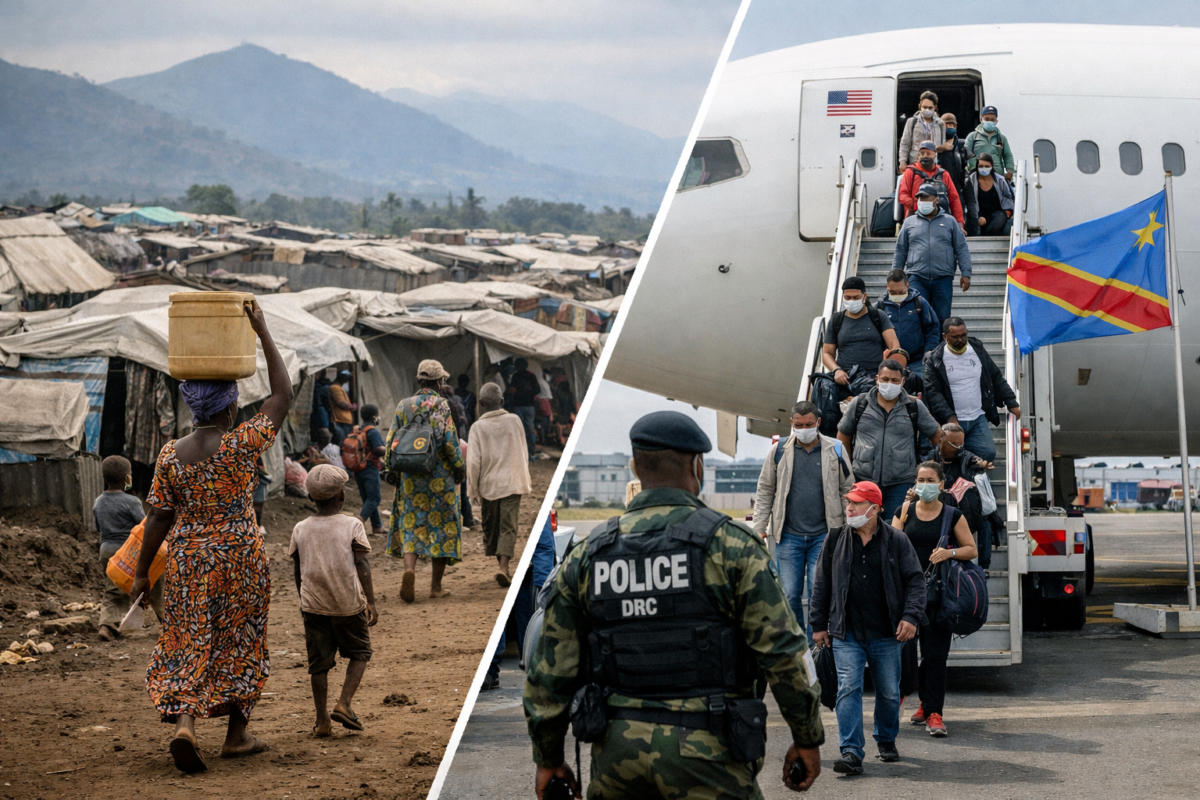
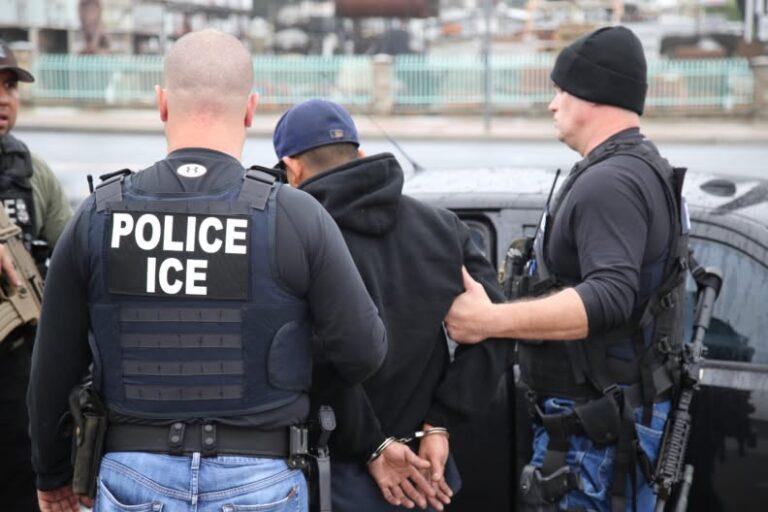
The arrival of Latin American migrants in the Democratic Republic of the Congo under a U.S. relocation deal has sparked an uncomfortable question one the government has yet to fully answer.
Why is DR Congo accepting foreign migrants while millions of its own citizens remain displaced across the region?
The migrants arriving in the Democratic Republic of the Congo are not merely unwanted individuals pushed out by the United States or rejected by their home countries. Many are caught in complicated legal and humanitarian situations, with some previously protected by U.S. courts from deportation.
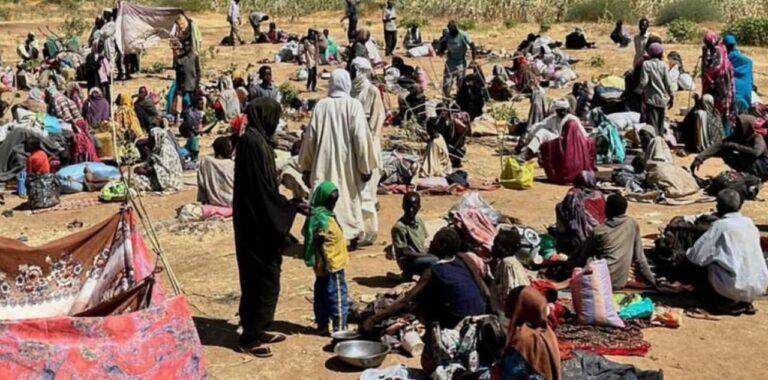
Across East Africa, Congolese refugees continue to live in camps with limited resources and uncertain futures. In Burundi, camps such as Musenyi Refugee Camp, Busema Refugee Site, Cishemere Refugee Site, Gasorwe Refugee Camp, and Gihinga Refugee Camp host thousands who fled violence in eastern Congo.
In Tanzania, the long-standing Nyarugusu Refugee Camp remains home to large numbers of Congolese refugees, many of whom have lived there for years, some for over a decade.
Others are scattered across Uganda and beyond, relying on humanitarian aid and facing restrictions on movement, work, and long-term integration. These are not small numbers. They represent one of Africa’s largest and most protracted refugee crises.
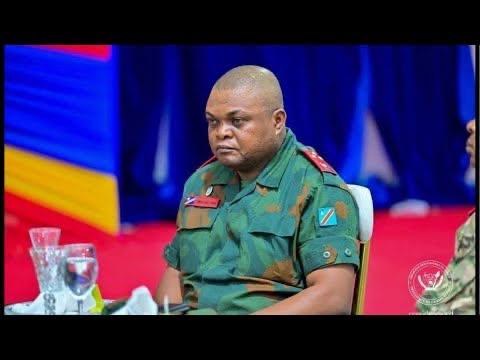
Against this backdrop, Kinshasa’s decision to host migrants from Peru, Ecuador, and Colombia under a deal funded by the United States raises legitimate concerns about priorities.
Supporters of the agreement may argue that the deal brings financial support, international cooperation, and diplomatic goodwill. Hosting migrants for short periods, they say, does not prevent Congo from addressing its own displacement crisis.
We have seen a lot of critics questioning whether a country still struggling with internal conflict, weak infrastructure, and humanitarian strain is in a position to take on additional responsibilities especially for non-citizens transferred from thousands of kilometers away.
There is also the issue of perception. To some, the arrangement risks making Congo appear as a convenient destination for migration policies designed elsewhere, a role that many believe should not fall on nations already dealing with their own crises.
The contrast is difficult to ignore: Congolese citizens living in camps across the region, while foreign migrants are flown into Kinshasa with accommodation and state coordination already arranged.
This is not simply a policy question. It is a moral and political one. Should a government prioritize hosting foreign migrants under international deals, or focus first on the safe return, reintegration, and support of its own displaced population?