
Taiwan has declared that it is already a “free and democratic nation” hours after United States President Donald Trump warned the island against formally declaring independence from China following his visit to Beijing.
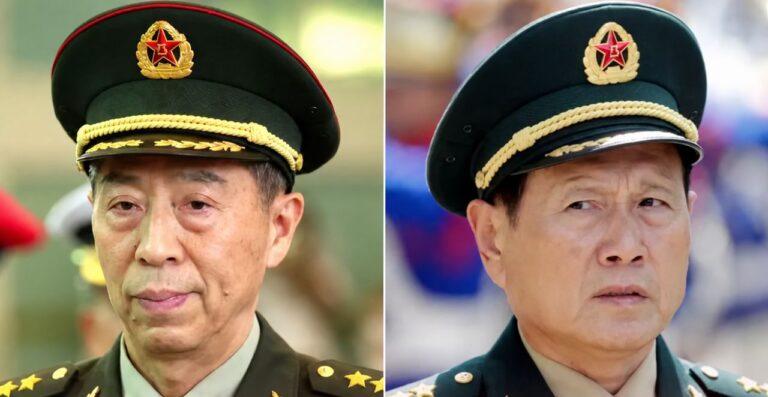
The statement from Taiwan’s government came shortly after Trump concluded talks with Chinese President Xi Jinping in China, where a deep conversation over Taiwan reportedly took place between the two leaders, and the issued warning by Trump indicates that he took Xi’s side.
Trump was quoted as saying, “I’m not looking to have somebody go independent. And, you know, we’re supposed to travel 9,500 miles to fight a war. I’m not looking for that.” Indicating that the US will not intervene if any war happens between the People’s Republic of China and the Republic of China.
He continued with a statement that, “We don’t want anyone to feel entitled to say: ‘We declare independence, since the United States has our back.” And hit with another line that got attention, “I want them to cool down. I want China to cool down.”
According to officials familiar with the meetings, Xi urged Trump not to support any formal Taiwanese independence moves, describing the issue as China’s “red line” in relations with Washington.
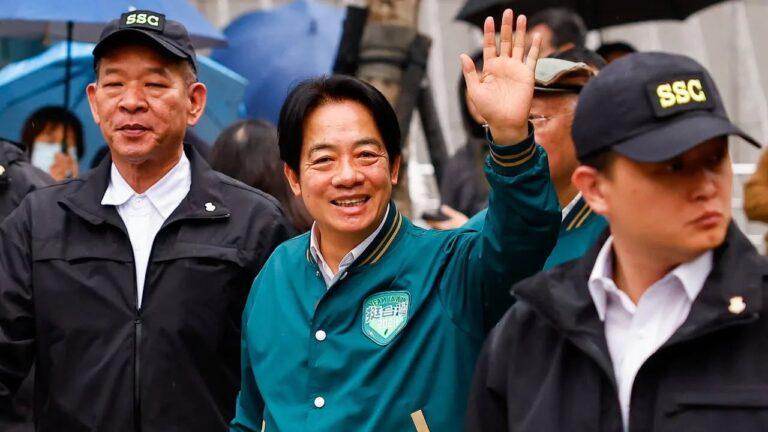
Hours later, Taiwan’s foreign ministry responded, “Taiwan is a sovereign and democratic nation,” the ministry said in a statement, insisting that the island is not governed by the People’s Republic of China.
The ministry also defended ongoing American arms sales to Taiwan, describing them as part of long-standing security agreements designed to help the island maintain its defense capabilities.
Taiwan has governed itself independently since 1949, but China considers the island part of its territory and has repeatedly vowed to reunify it with the mainland, by force if necessary.
Beijing strongly opposes any international recognition of Taiwan as a separate country.
The issue remains one of the most dangerous flashpoints in global politics and has increasingly strained relations between China and the United States over the past decade.
Trump’s latest remarks appeared aimed at balancing Washington’s support for Taiwan with efforts to stabilize relations with Beijing after months of tensions involving trade disputes, Iran, technology restrictions, and military rivalry in the Pacific.
During his visit to China, Trump praised Xi as a “great leader” while both governments announced plans to improve trade and investment cooperation.
However, Taiwan quickly emerged as one of the most sensitive subjects discussed during the trip.
China has increased military pressure around Taiwan in recent years through large-scale military drills, warplane incursions, and naval operations near the island.
Taiwanese leaders argue that those actions are attempts to intimidate the island’s population and weaken international support for Taipei.
The government in Taipei insists that only the people of Taiwan can decide their political future.
The latest exchange highlights the difficult diplomatic position facing Washington, which officially recognizes Beijing under the “One China” policy while simultaneously maintaining strong unofficial ties and military cooperation with Taiwan.
The United States remains Taiwan’s most important international backer and largest supplier of defensive weapons.
Analysts say Trump’s comments may have been intended to calm Chinese concerns during the Beijing summit, though Taiwan’s swift response demonstrated growing confidence among leaders in Taipei about publicly asserting the island’s separate identity.
The developments are expected to further fuel debate across Asia over security, sovereignty, and the growing rivalry between the world’s two largest powers.