


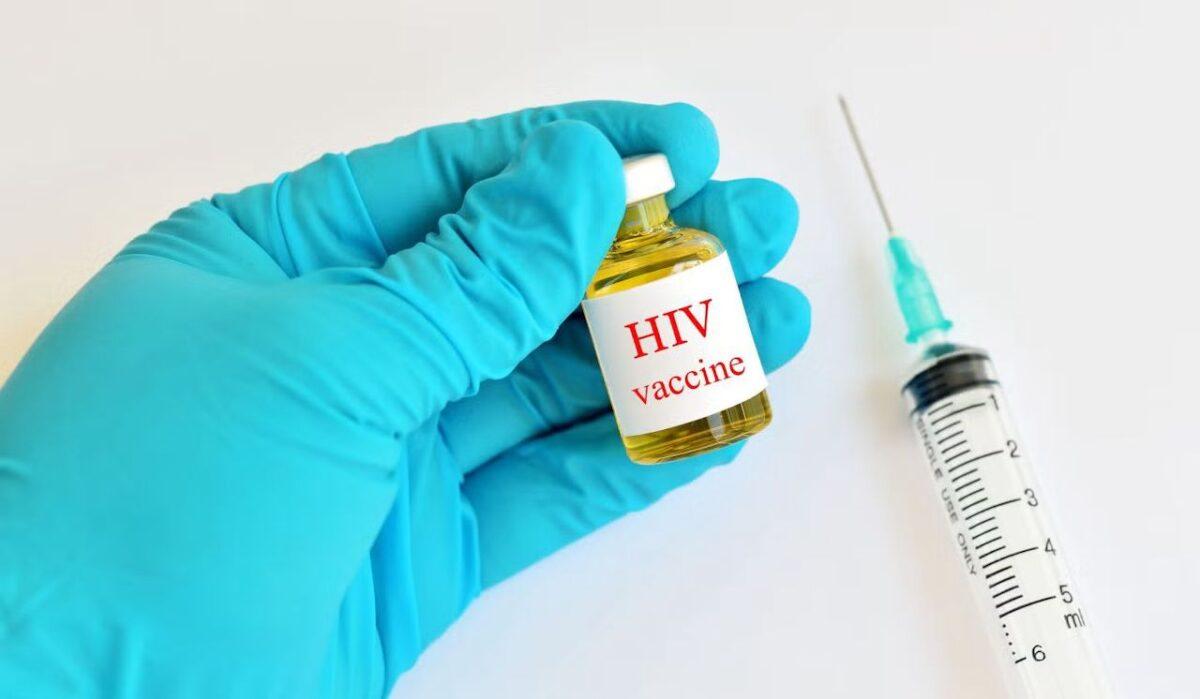
Tanzania plans to introduce a long-acting HIV prevention injection, Lenacapavir, starting January 2027, in a move officials say could reshape the country’s response to the epidemic.
The drug, Lenacapavir, is administered as an injection twice a year, offering an alternative to daily pills used for HIV prevention (PrEP) and treatment (ARVs).
Chief Government Pharmacist Daudi Msasi said preparations are underway, with health partners working to ensure reliable supply and distribution.
“Implementation will begin next year, in January 2027. For now, stakeholders, especially those supported by the Global Fund, are in planning meetings to ensure the entire system is ready,” he told Mwananchi Newspaper on Sunday.
Health officials say the rollout is expected to ease adherence challenges faced by people who struggle to take daily medication, a key issue in HIV prevention and treatment programs.
Amina Juma, 32, a resident of Dar es Salaam, said the injection could be a breakthrough for people with demanding routines but raised concerns over affordability.
“This is good news, especially for those of us with busy schedules. But if the cost remains high, it will still be out of reach for many. The government should make it affordable,” she said.
Othman Iddi, 41, from Morogoro, said public education will be critical to ensure uptake and reduce stigma.
“Many people are still afraid even to get tested for HIV. This new injection can help, but people must first be educated. Without awareness, even the best medicine won’t reach those who need it,” he said.
Officials say Lenacapavir is also expected to play a role in cases where patients have developed resistance to other antiretroviral drugs, though its broader use in prevention could expand over time.
The planned rollout comes as Tanzania continues efforts to reduce new HIV infections and improve treatment adherence, with long-acting therapies increasingly seen as a potential game-changer in global HIV response strategies.
About The Author