Physical Address
Delta Corner Tower,
Waiyaki Way, Westlands, Nairobi, Kenya.
Contact us:
Email: info@todaysw.com
Physical Address
Delta Corner Tower,
Waiyaki Way, Westlands, Nairobi, Kenya.
Contact us:
Email: info@todaysw.com
The first flight carrying 270 Nigerians has left Johannesburg for Lagos as growing fears of anti-immigrant violence push more African nations to evacuate citizens.
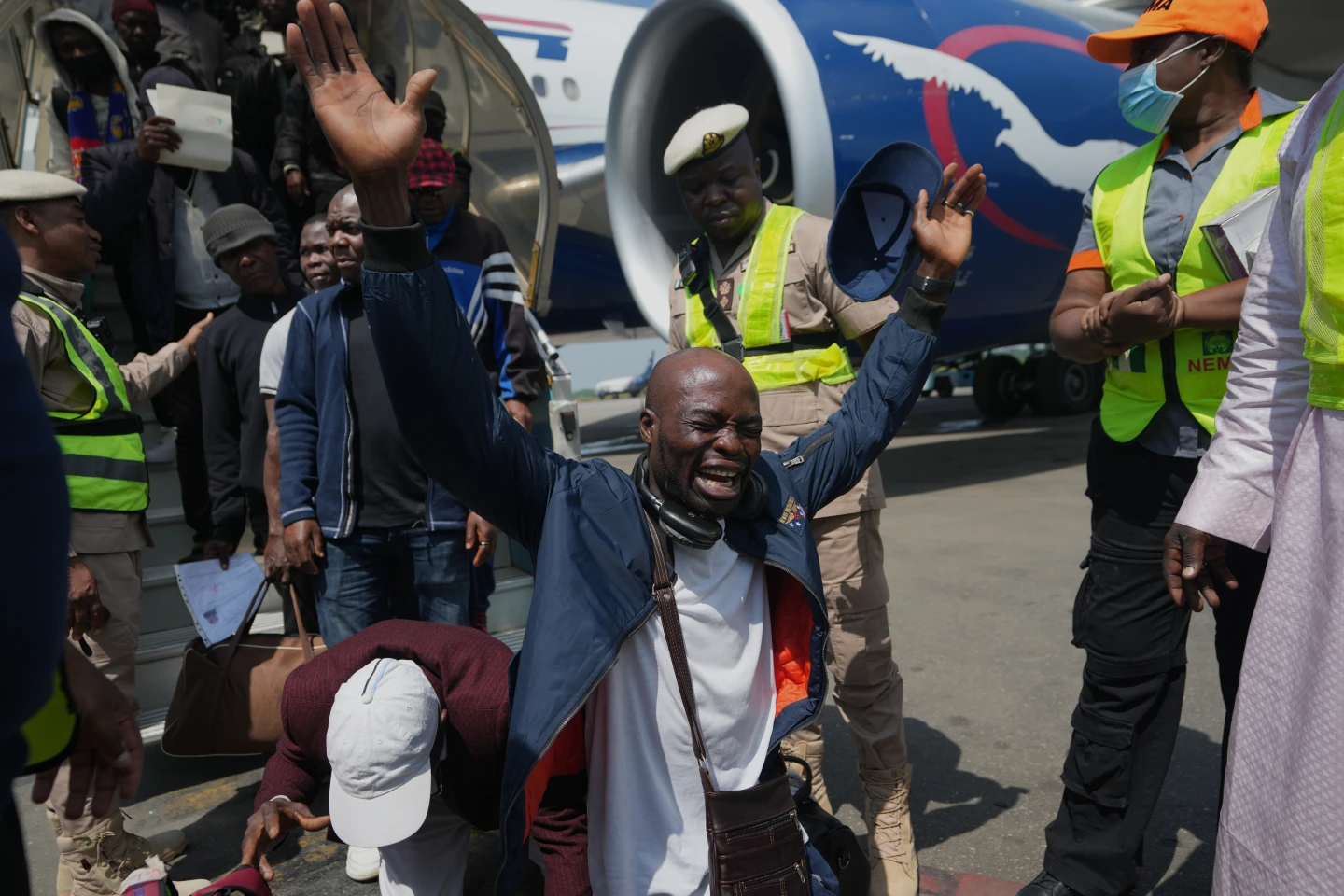
Nigeria has begun evacuating its citizens from South Africa, becoming the third African country after Ghana and Malawi to organize the return of nationals amid growing fears of anti-immigrant violence.
The first aircraft carrying 270 Nigerians departed Johannesburg for Lagos this week, marking the start of a larger repatriation effort coordinated by the Nigerian Embassy in South Africa.
According to Nigerian officials, nearly 1,000 citizens have registered for voluntary return flights following weeks of demonstrations and attacks targeting foreign nationals accused by some groups of living and working in South Africa illegally.
One Nigerian man preparing to return home told News Central that he had lived in South Africa since 1998 but no longer felt safe. He said he was recently attacked while using public transport because of his nationality and feared the situation could worsen in the coming weeks.
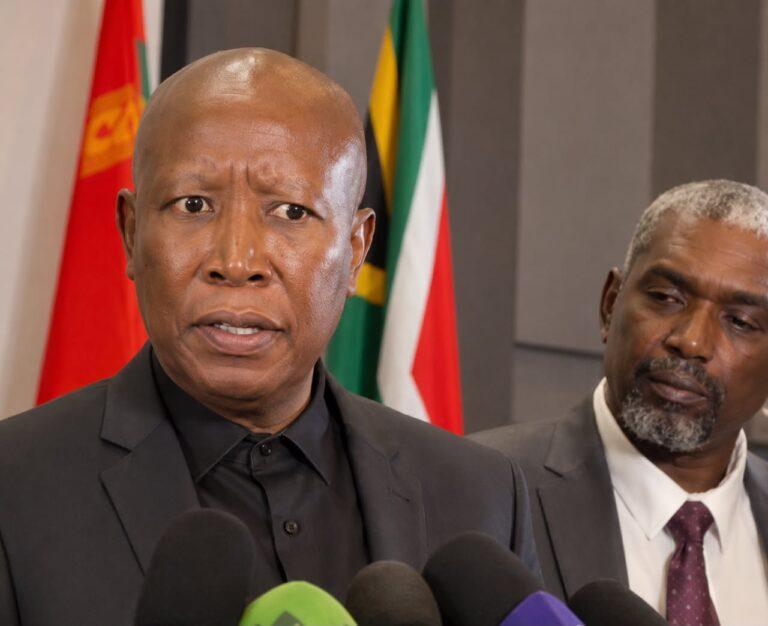
Anxiety has increased since some anti-immigration groups declared June 30 as the deadline for undocumented foreigners to leave the country. The campaign has attracted significant attention on social media and has triggered concern among migrant communities across South Africa.
Protest organizers argue that undocumented migration has contributed to unemployment, crime, and pressure on public services. Their claims have found support among some South Africans frustrated by the country’s economic challenges and high joblessness rate.
However, Nigeria’s ambassador to South Africa rejected the accusation that migrants are responsible for the country’s economic difficulties. He argued that unemployment and other social problems are rooted in broader economic issues and should not be blamed on foreign nationals.
The departure of Nigerians follows similar moves by Ghana and Malawi. In May, hundreds of Ghanaians returned home after reports of attacks and intimidation. Malawi also recently started a government-assisted operation to bring home citizens who no longer feel safe remaining in South Africa.
The growing number of departures has raised concerns about a wider regional impact if tensions continue to rise before the end of the month.
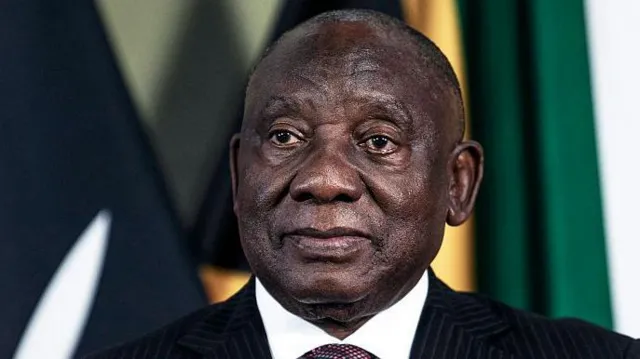
South African President Cyril Ramaphosa has responded by unveiling tougher measures against illegal immigration, including plans for faster immigration courts and stronger enforcement against employers who hire undocumented workers.
At the same time, Ramaphosa has urged citizens not to take the law into their own hands and warned against attacks on migrants, saying immigration enforcement remains the responsibility of the state.
For many migrants, however, uncertainty remains. As June 30 approaches, more foreign nationals are weighing whether to stay in South Africa or follow those already heading home.