Physical Address
Delta Corner Tower,
Waiyaki Way, Westlands, Nairobi, Kenya.
Contact us:
Email: info@todaysw.com
Physical Address
Delta Corner Tower,
Waiyaki Way, Westlands, Nairobi, Kenya.
Contact us:
Email: info@todaysw.com
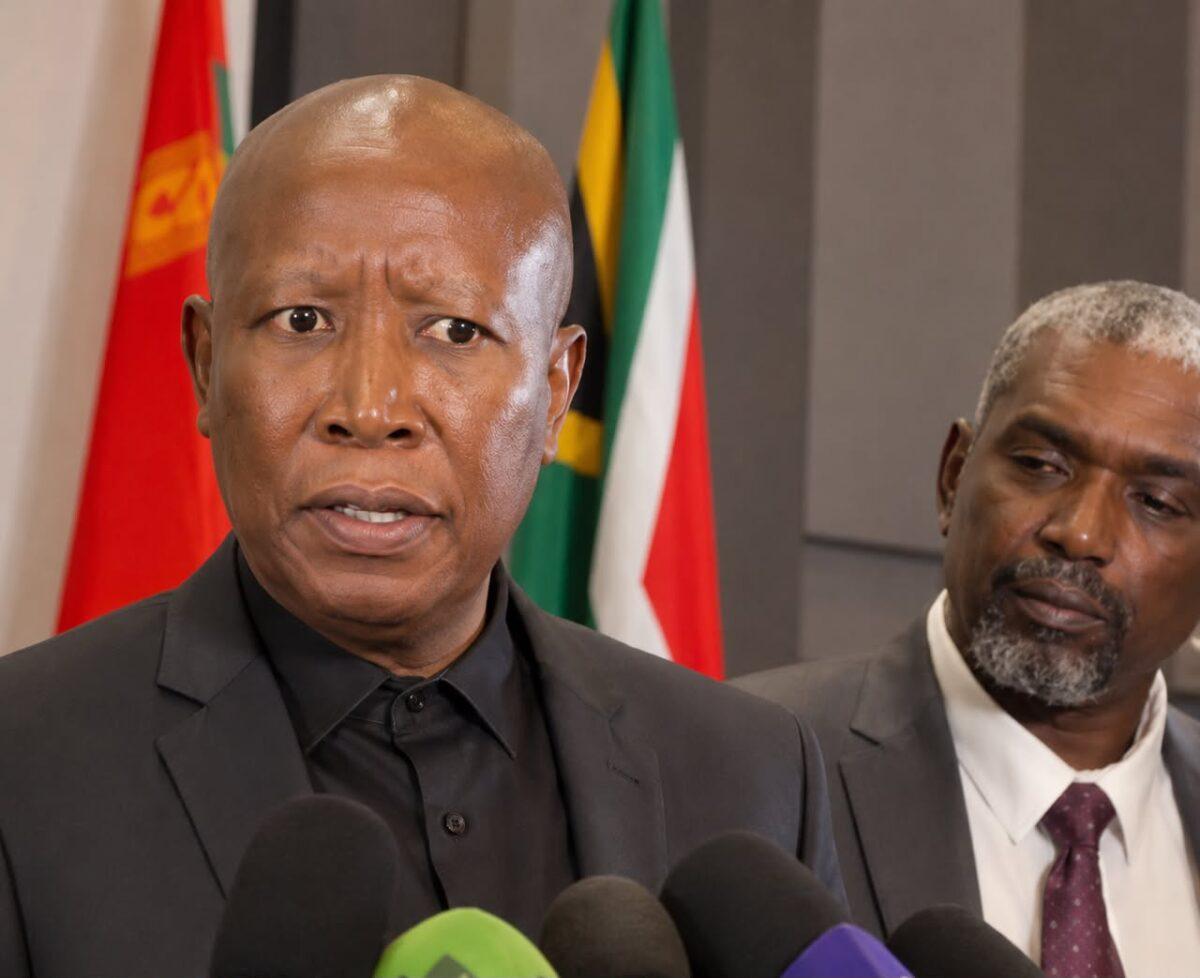
South African opposition leader Julius Malema has challenged anti-immigrant protests spreading across parts of South Africa, questioning claims that removing foreign nationals would automatically create jobs for citizens.
Speaking during an interview with SABC News, the leader of the Economic Freedom Fighters (EFF) reacted to the recent departure of hundreds of Ghanaians from South Africa following growing xenophobic tensions and planned nationwide protests.
“Because Ghanaians are gone now, 300 of them, how many 300 jobs were created after the Ghanaians have left?” Malema asked.
“So it’s just a myth, it’s a lie, which they are using to further divide us to perpetuate colonial divisions.”
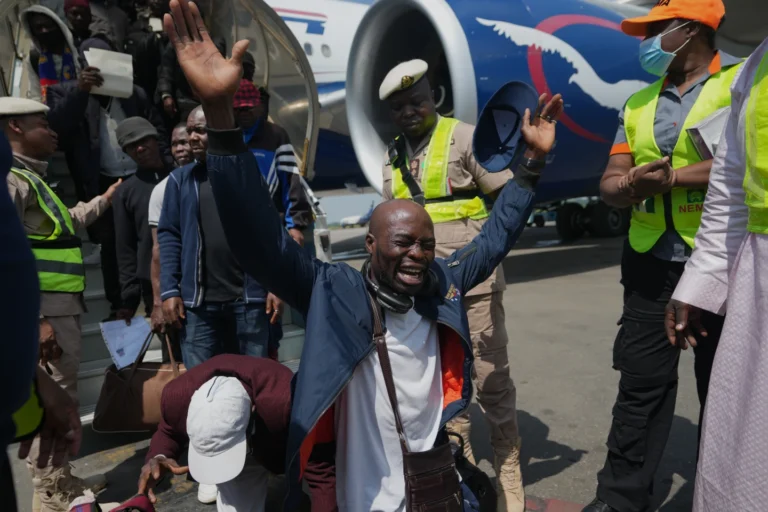
His remarks come days after the first group of nearly 300 Ghanaian nationals voluntarily returned home from South Africa amid rising fears linked to anti-immigrant demonstrations expected to intensify ahead of planned June 30 protests.
More than 800 Ghanaians had reportedly registered for voluntary return flights after violence, intimidation, and anti-foreigner rhetoric increased in some communities.
Malema argued that African borders themselves remain one of colonialism’s strongest surviving legacies and accused anti-immigrant groups of contradicting their own anti-colonial beliefs.
“You say you hate colonialism. You say we must decolonize education, decolonize this and decolonize that, but the borders must remain,” he said.
“The borders are actually the most practical thing brought by colonialism.”
The EFF leader also criticized the Ghanaian government’s evacuation response, saying it may have unintentionally strengthened the image that all South Africans support xenophobic attacks.
“The Ghana response was not necessary because it creates an impression that we are all like that,” Malema said.
He insisted that only a small section of society was responsible for attacks and intimidation against foreigners and argued that law enforcement should contain those groups.
During the interview, Malema also recalled the words of a Ghanaian woman who explained why she accepted the opportunity to leave South Africa.
“The problem is we are being beaten in front of the police, and the police are not doing anything,” the woman reportedly said.
“If the police can’t defend me, it means the state is in agreement with the people who are beating me.”
Malema acknowledged that such fears were serious but urged diplomatic engagement rather than retaliatory political reactions between African governments.
“We need to pursue diplomatic engagement with Ghana until we find one another,” he said.
South Africa has repeatedly faced waves of xenophobic violence over the past two decades, with migrants from other African countries often accusing authorities of failing to protect them during attacks, looting, and intimidation.
The latest tensions have again triggered debate across Africa over migration, unemployment, policing, and the long-term impact of colonial borders on relations between African nations.
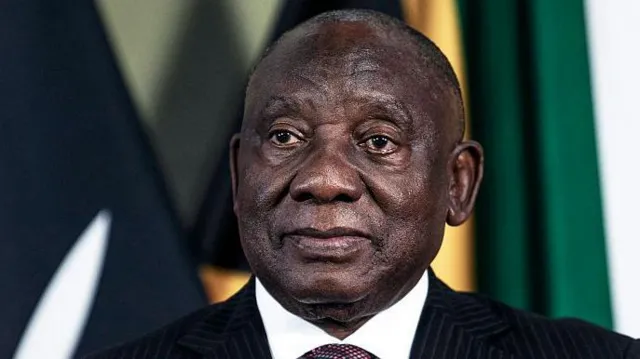
The planned June 30 demonstrations organized by anti-immigration activists continue drawing attention across the continent as pressure grows on President Cyril Ramaphosa’s government to respond to both public anger and fears of renewed violence against foreign nationals.