Physical Address
Delta Corner Tower,
Waiyaki Way, Westlands, Nairobi, Kenya.
Contact us:
Email: info@todaysw.com
Physical Address
Delta Corner Tower,
Waiyaki Way, Westlands, Nairobi, Kenya.
Contact us:
Email: info@todaysw.com
Tanzania has said its relationship with the European Union remains strong despite a European Parliament committee urging the bloc to consider suspending development assistance over governance concerns.
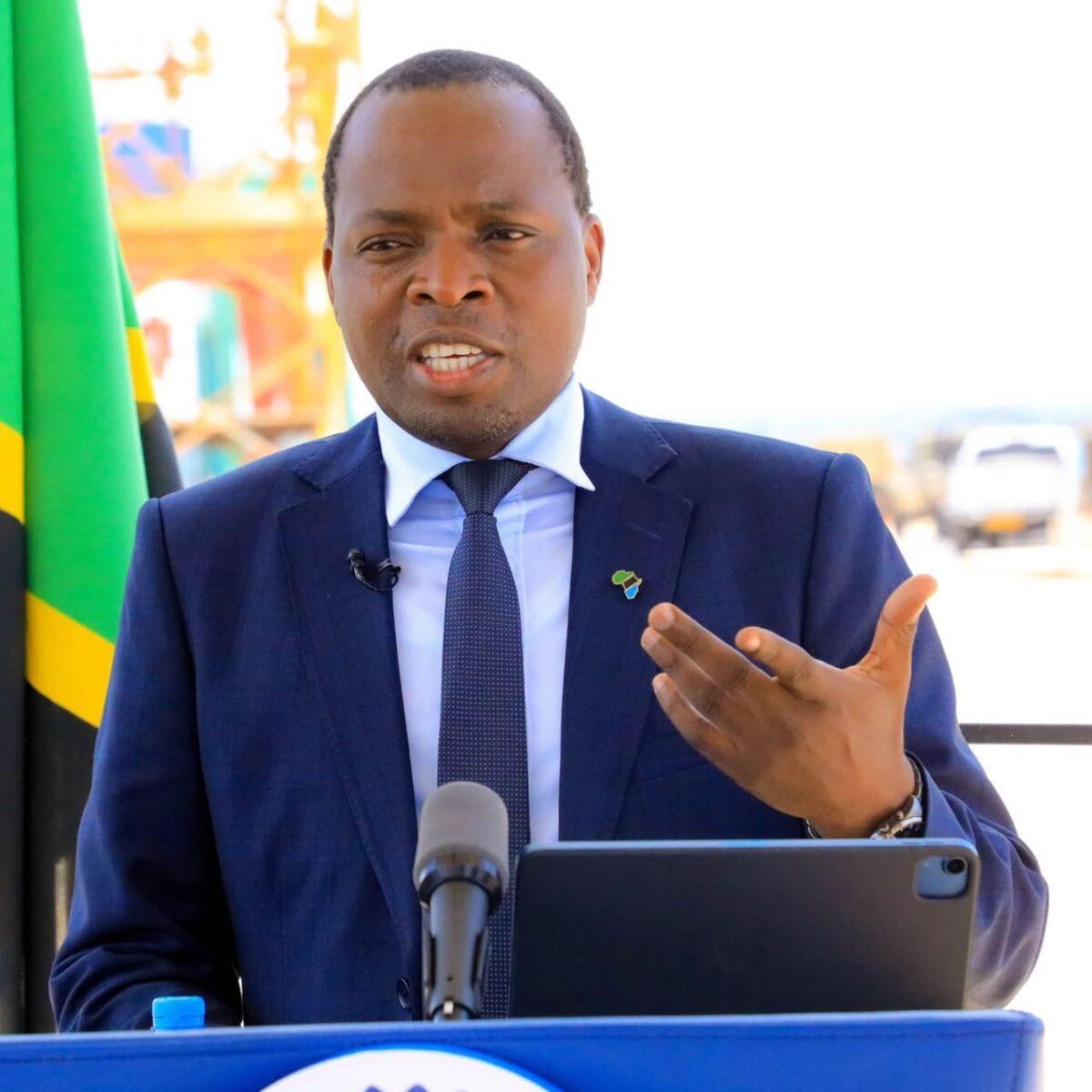
The Tanzanian government has sought to reassure the public that its relationship with the European Union (EU) remains stable following a recommendation by a European Parliament committee calling for the suspension of development assistance to the East African nation.
The statement comes after the European Parliament’s Committee on Foreign Affairs adopted a resolution on June 3, urging the European Commission to consider halting development aid to Tanzania over concerns related to human rights, governance, and democratic freedoms.
According to the committee, the recommendation was influenced by several developments that have attracted international attention, including allegations of restrictions on political freedoms, reports of abductions, the detention of opposition leader Tundu Lissu, and violence linked to Tanzania’s political environment.
However, Tanzania‘s Ministry of Foreign Affairs emphasized that the committee’s recommendation should not be interpreted as a final decision by the European Union.
In a statement, the ministry said the proposal represents the position of a parliamentary committee and must still go through additional procedures before it could become official EU policy.
“The recommendation should not be viewed as a final decision regarding development assistance or the future of relations between Tanzania and the European Union,” the ministry said.
The government also stressed that diplomatic engagement between Tanzania and the EU continues across a range of sectors, including trade, investment, development cooperation, and climate-related projects.
The European Union remains one of Tanzania’s most important development partners, supporting programs in infrastructure, education, healthcare, governance, and economic development.
The committee’s resolution has renewed attention on Tanzania’s political landscape ahead of future political processes, with European lawmakers expressing concerns about democratic participation, freedom of expression, and the treatment of opposition figures.
Among the issues cited was the case of CHADEMA chairman Tundu Lissu, whose legal and political situation has drawn scrutiny from regional and international organizations.
While the committee’s recommendation has generated discussion, analysts note that resolutions adopted by parliamentary committees do not automatically translate into EU executive action. Any major change in aid policy would typically require further review and consideration by European Union institutions.
For now, Tanzanian authorities maintain that cooperation with the EU remains intact and that ongoing engagement between the two sides continues through established diplomatic channels.
The development is expected to be closely watched by both government officials and opposition groups as discussions over governance, democracy, and international partnerships continue in the months ahead.