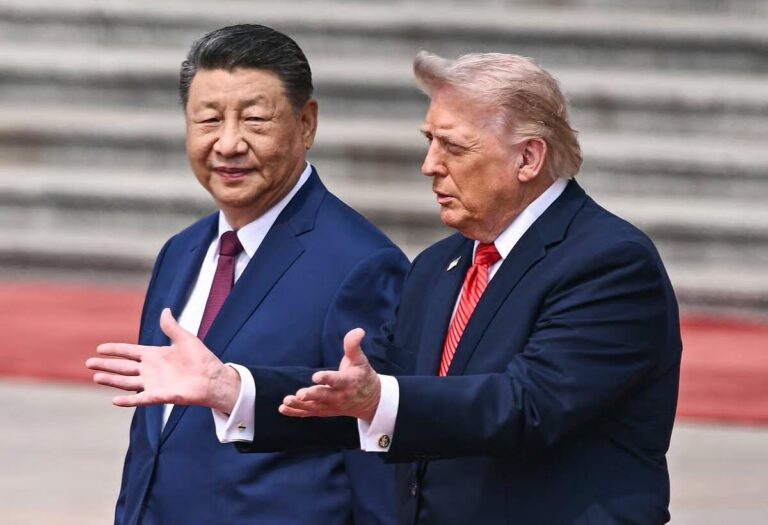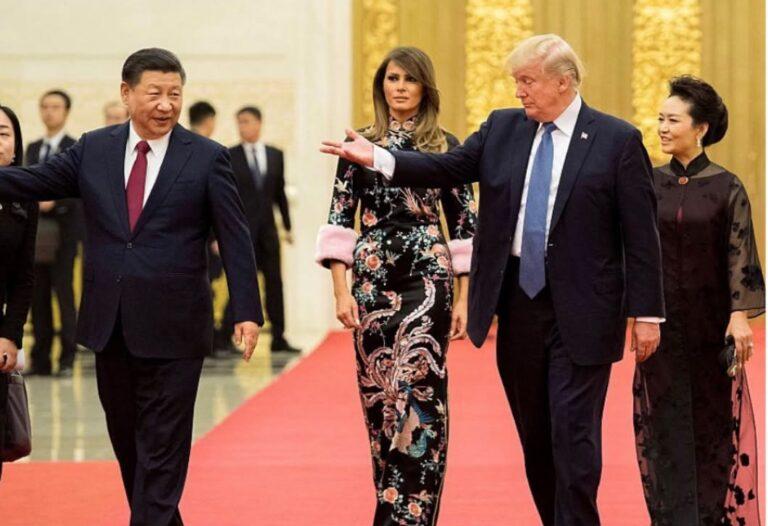

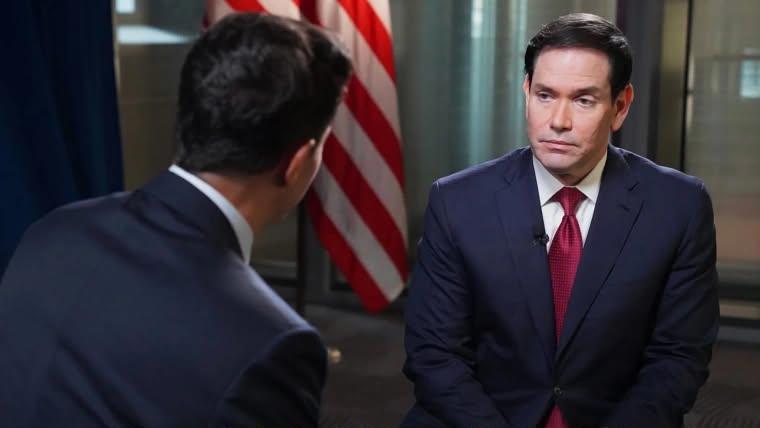
US Secretary of State Marco Rubio triggered a global diplomatic conversation this week after reports emerged that Chinese authorities quietly altered the Chinese spelling of his name to allow him to enter the country alongside President Donald Trump during a high-profile visit to Beijing.
Rubio had been under Chinese sanctions since 2020 during his time as a US senator after repeatedly criticizing Beijing over Hong Kong, Uyghur Muslims, and human rights issues. The sanctions reportedly included a travel ban preventing him from entering China.
But when Rubio arrived in Beijing this week as part of Trump’s delegation, observers quickly noticed something unusual.
Chinese state media and government officials had begun using different Chinese characters for Rubio’s surname shortly before he took office as Secretary of State, creating what diplomats described as a linguistic loophole that technically separated his current identity from the sanctioned version attached to his earlier political role.
According to diplomats quoted by several international outlets, the move allowed Beijing to avoid formally lifting sanctions while still permitting Rubio to enter China for official meetings.
The unusual diplomatic workaround immediately exploded online and inside diplomatic circles.
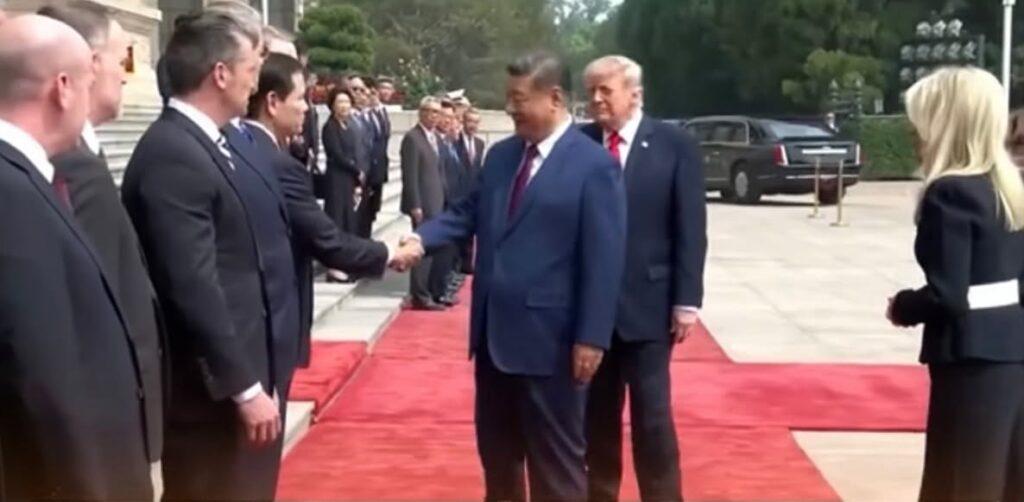
“This is peak diplomacy,” one political commentator wrote on social media after news of the name alteration spread across international media platforms.
Another foreign affairs analyst described the situation as “one of the strangest diplomatic loopholes seen in years.”
The episode also triggered debate among linguists and China experts after reports revealed the newly used Chinese character for Rubio’s surname could carry meanings associated with being “reckless” or “stupid,” something many online users interpreted as a subtle insult from Beijing.
A columnist from The Washington Post described the situation as Beijing “saving face without backing down,” while analysts quoted by international media said China appeared unwilling to reverse sanctions imposed during years of tensions with Rubio publicly.
Meanwhile, social media discussions focused heavily on the irony of Rubio entering a country that had long treated him as one of Washington’s harshest critics of China.
Even some diplomats privately admitted surprise at how creatively the issue had been resolved.
An article by Al Jazeera described the move as a “translation loophole,” while another commentator joked that “China didn’t remove the sanctions they simply renamed the politician.”
Chinese officials defended the arrangement by arguing that the sanctions targeted Rubio’s actions while serving as a senator and did not necessarily apply to his current diplomatic position.
Rubio is accompanying Trump during talks expected to focus on trade tensions, Taiwan, artificial intelligence, and the ongoing crisis involving Iran. Despite his past criticism of Beijing, Rubio recently described China as both America’s “top geopolitical challenge” and also “the most important relationship for us to manage.”