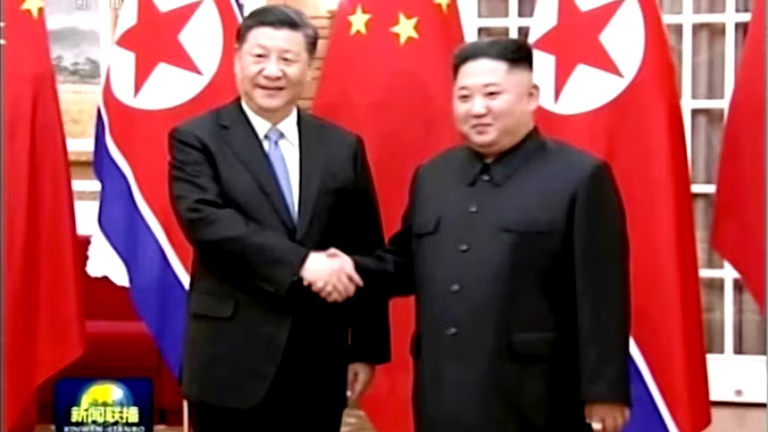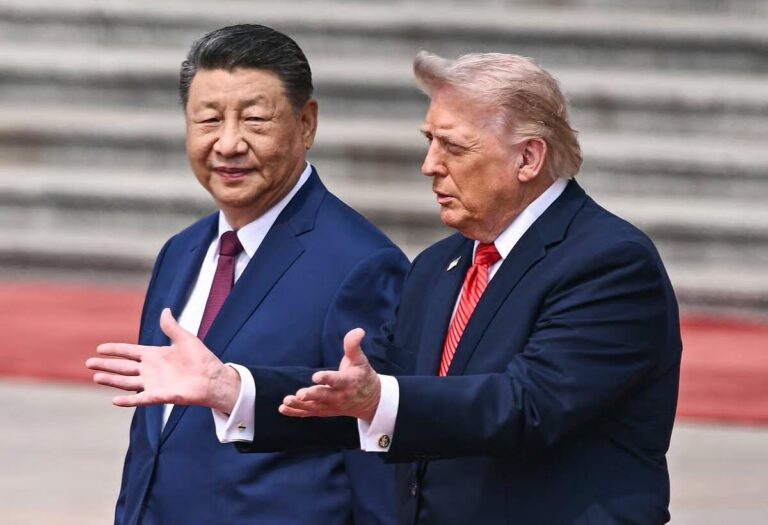

The upcoming meeting between Donald Trump and Xi Jinping is being described as one of the most important diplomatic encounters in recent years, as tensions between the world’s two biggest powers continue shaping global politics and trade.
The history of US presidents visiting China stretches back more than five decades and includes moments that changed diplomacy, trade, and even the balance of global power.
The first American president to visit communist China was Richard Nixon in 1972. At the time, Washington and Beijing did not even have official diplomatic relations. The Cold War was at its height, and China remained politically isolated from the West.
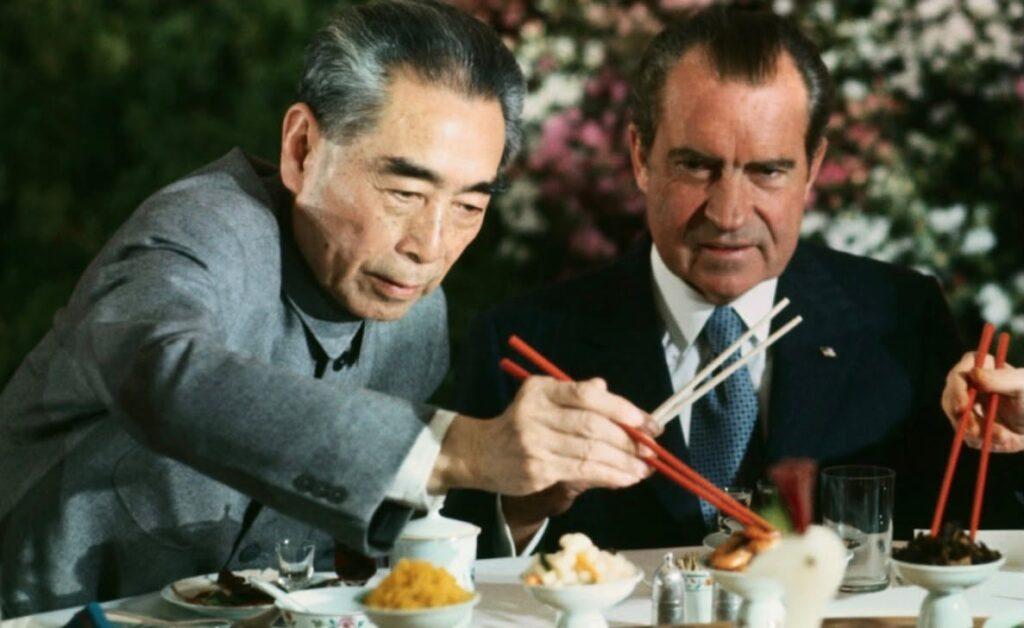
Nixon shocked the world by traveling to Beijing and meeting Chinese leader Mao Zedong. “There is no reason for us to be enemies,” Nixon famously said during the visit, a statement that helped reduce hostility between the two countries and opened the door for future cooperation.
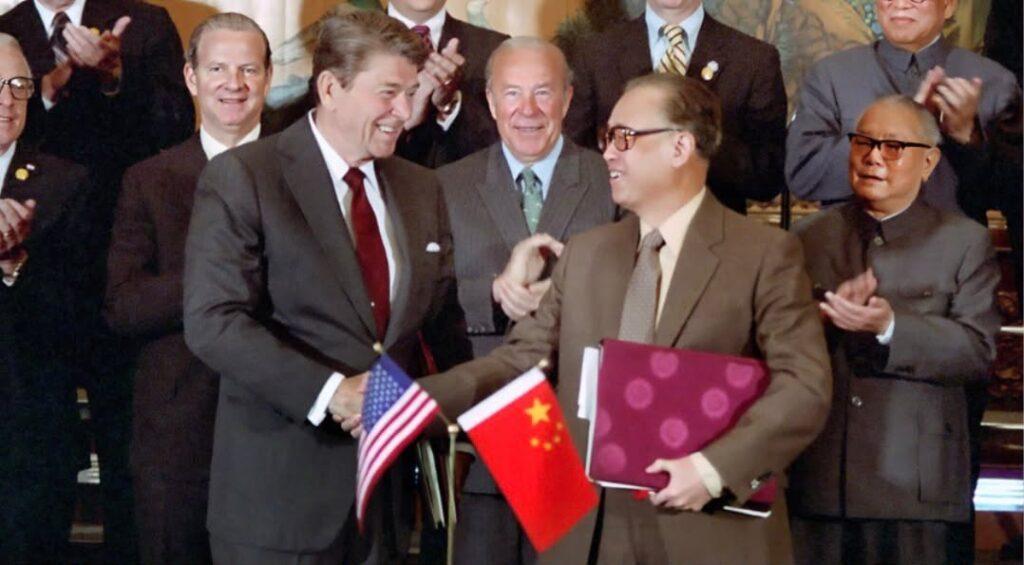
Seven years later, the United States and China officially established diplomatic ties in 1979. In 1984, Ronald Reagan visited Beijing despite previously being one of communism’s strongest critics. Reagan argued that stable relations between Washington and Beijing could create jobs and help maintain peace during a tense period of the Cold War.
By the late 1990s, economic ties between the two countries had grown rapidly, but tensions over human rights remained strong.
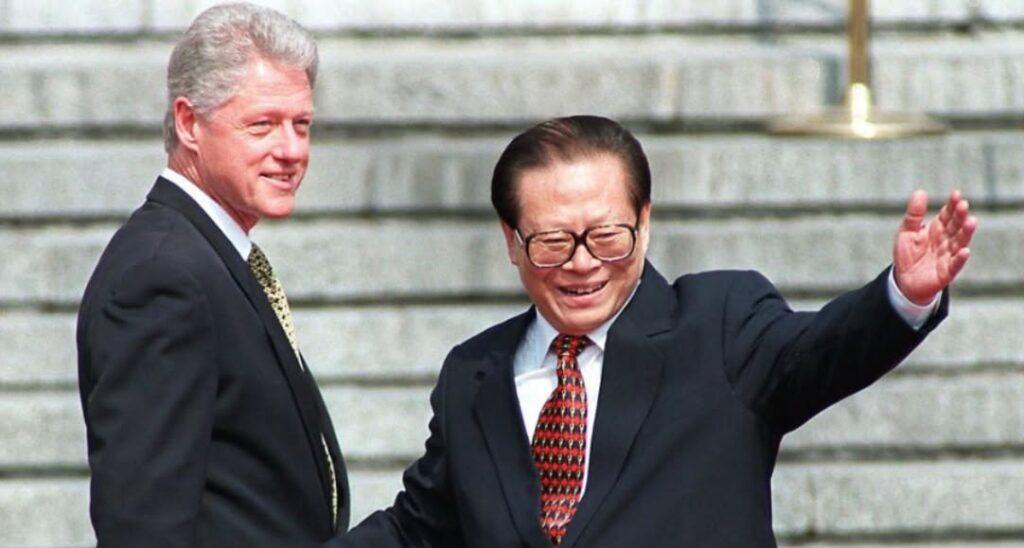
When Bill Clinton visited China in 1998, it became the first visit by an American president since the 1989 Tiananmen Square crackdown. Clinton tried to balance two difficult goals: preserving America’s growing business relationship with China while also addressing concerns over democracy and human rights.
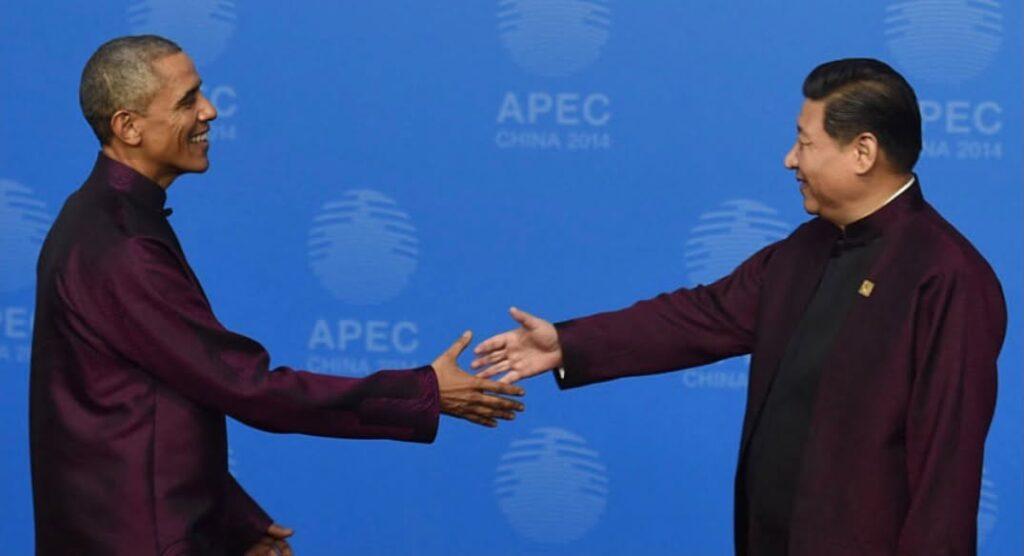
Barack Obama later visited China three times during his presidency. One of the biggest achievements from Obama’s visits came in 2014 when Washington and Beijing reached a historic climate agreement aimed at reducing greenhouse gas emissions.
Obama also became the first American president to be officially welcomed by Xi Jinping after Xi rose to power.
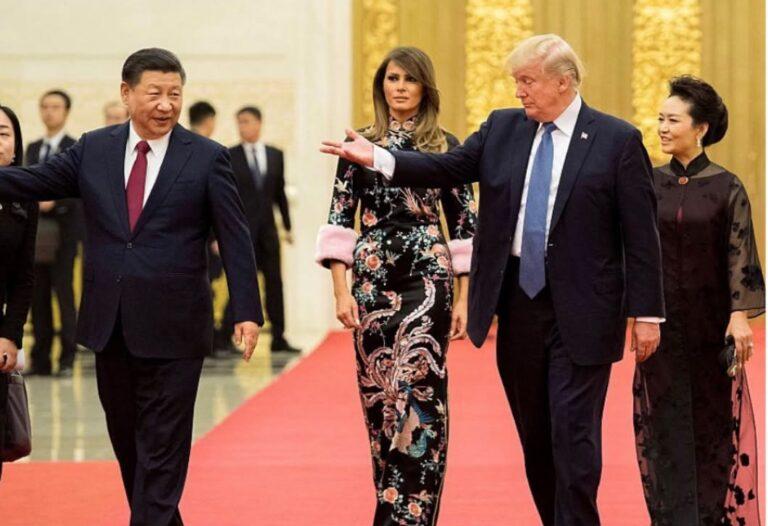
Trump himself first visited China in 2017 during his first presidential term.
During his election campaign, Trump had frequently attacked China over trade and manufacturing, accusing Beijing of harming American industries. But during his face-to-face meeting with Xi in Beijing, Trump adopted a warmer tone and told the Chinese leader: “You are a very special man.”
The relationship between the two countries later deteriorated sharply after the outbreak of the US-China trade war.
Washington and Beijing imposed massive tariffs on each other’s products, with some duties rising above 100 percent at the height of the confrontation.
Although both sides later agreed to temporary pauses and negotiations, tensions never fully disappeared.
Today, disagreements between the United States and China are defined far beyond trade. The two powers continue clashing over Taiwan, artificial intelligence, military influence, semiconductor technology, the South China Sea, and relations with countries such as Iran and Russia.
Analysts say Trump’s latest trip to China could influence global diplomacy and economic relations for years, depending on whether both sides manage to reduce tensions or deepen rivalries further.
Financial markets, investors, and governments around the world are closely watching the meeting, aware that decisions made by Washington and Beijing often affect everything from global oil prices to supply chains and technological development.