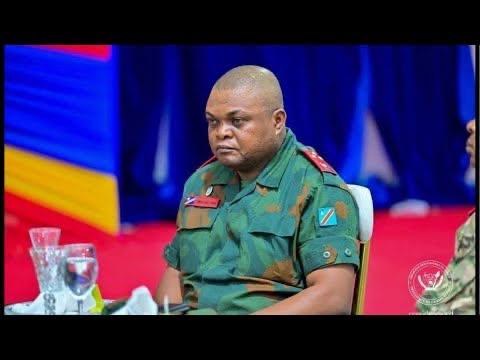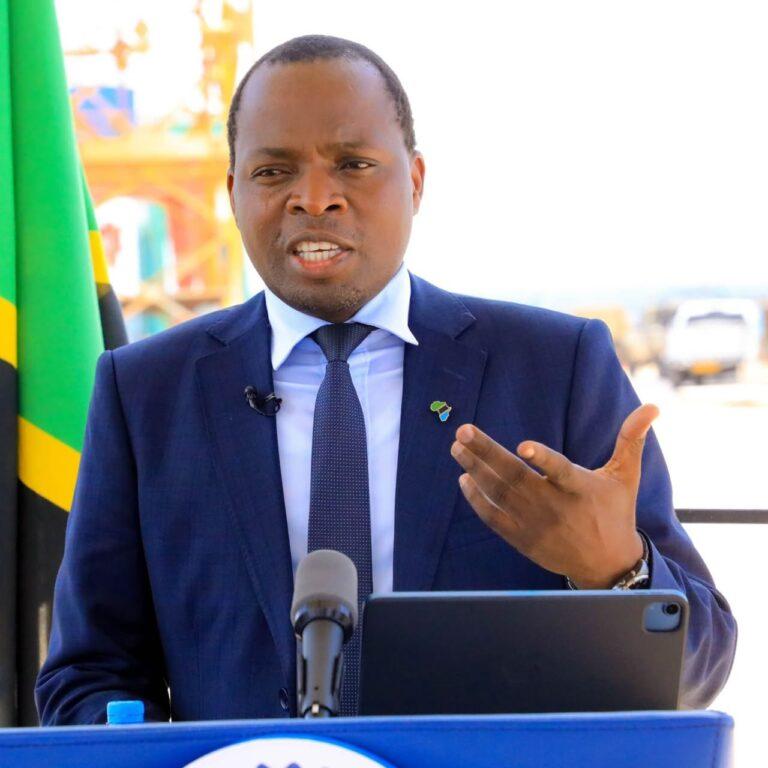

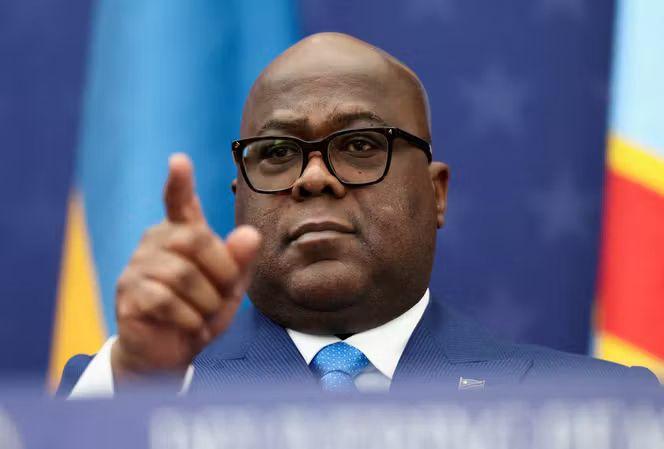
President Félix Tshisekedi has said he could seek a third term in office after 2028 if Congolese voters approve constitutional changes through a referendum, remarks that have already triggered political tension across the Democratic Republic of Congo.
Speaking during a press conference in Kinshasa, Tshisekedi said he was not directly asking for a third term but would be prepared to continue leading the country if the population wanted him to stay in office.
The Congolese constitution currently limits presidents to two terms, meaning Tshisekedi is expected to leave office at the end of his second mandate in 2028 unless the constitution is changed.
His comments come as lawmakers continue debating a proposed bill that could allow a national referendum on constitutional reforms, including presidential term limits.
Opposition leaders quickly reacted to the remarks, warning that any attempt to remove or extend term limits would amount to what they described as a “constitutional coup” designed to keep Tshisekedi in power for years beyond his legal mandate.
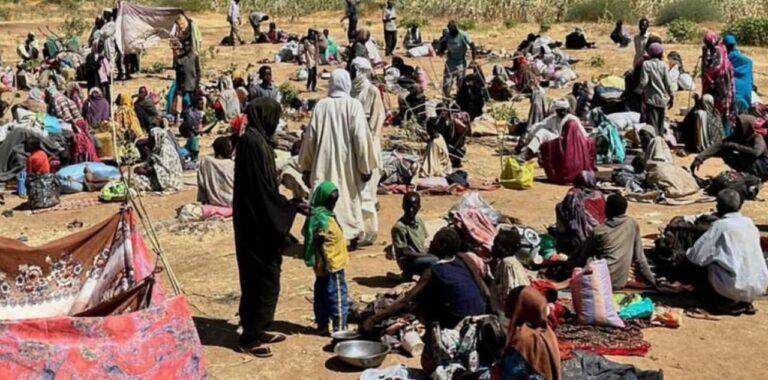
The debate is unfolding at a time when eastern DR Congo remains gripped by armed conflict involving M23 rebels and Allied Democratic Forces (ADF) fighters, groups that have continued carrying out deadly attacks across North Kivu and Ituri provinces.
Tshisekedi has built much of his political image around military operations against rebel groups operating in the east, a stance that has earned him support among sections of the population frustrated by years of insecurity and instability.
Despite continued violence and repeated deadly attacks blamed on the ADF, supporters of the president argue that his government has taken a more aggressive position against armed groups compared to previous administrations.
During the same press conference, Tshisekedi also suggested that the 2028 general election might not take place on schedule if insecurity in eastern Congo continues worsening.
He accused Rwanda of undermining peace efforts and benefiting from mineral resources taken from Congolese territory controlled by M23 rebels.
Rwanda has repeatedly denied supporting the M23 despite accusations from DR Congo, the United Nations, and several Western governments.
The M23 rebellion has intensified pressure on Tshisekedi’s administration after rebels captured large parts of North and South Kivu provinces, including the strategic cities of Goma and Bukavu, earlier this year.
Political analysts say the growing security crisis could become central to future debates over constitutional reforms and the timing of the next election in Africa’s second-largest country.