Physical Address
Delta Corner Tower,
Waiyaki Way, Westlands, Nairobi, Kenya.
Contact us:
Email: info@todaysw.com
Physical Address
Delta Corner Tower,
Waiyaki Way, Westlands, Nairobi, Kenya.
Contact us:
Email: info@todaysw.com
Migrants arrive at N’djili International Airport in Kinshasa under a new U.S. relocation deal, sparking debate over third-country migrant transfers.
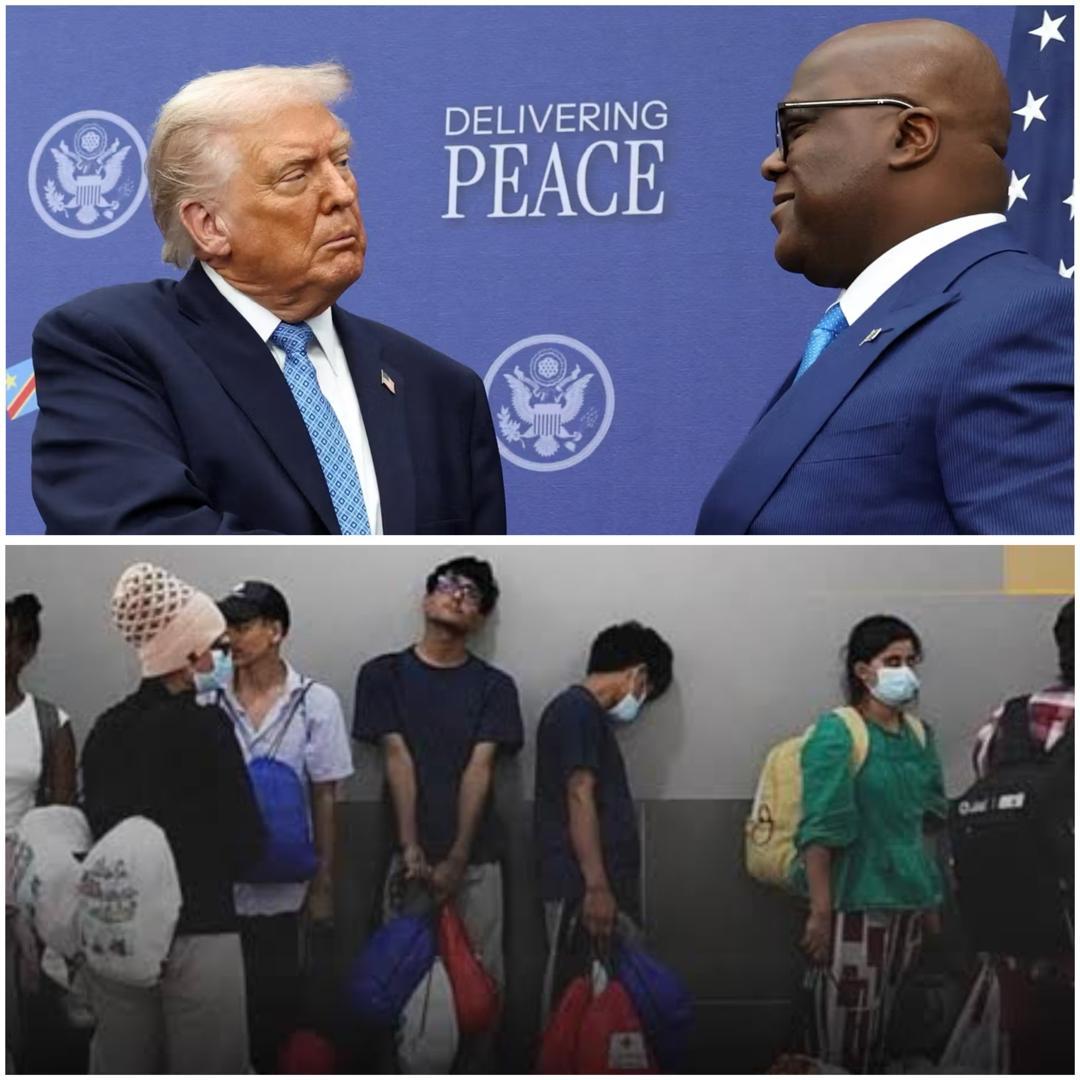
The group of about 15 people from Peru, Ecuador, and Colombia landed in Kinshasa on April 17, marking the first known implementation of a controversial agreement between the United States and the Democratic Republic of the Congo.
Their arrival at N’djili International Airport followed a stopover in Accra. Officials say the migrants, 8 men and 7 women will be housed temporarily in a hotel near the airport for up to two weeks, with costs covered by the U.S. government.
But the move has triggered a deeper debate: why is the U.S. relocating migrants thousands of kilometers away instead of processing or hosting them within its own borders?
Under the deal, migrants who are not citizens of Congo can be transferred there temporarily, even if they had been held in U.S. detention facilities for months. Some had reportedly received legal protection from American courts preventing their return to home countries due to fears of persecution or insecurity.
This policy raises significant ethical concerns especially if anything goes wrong, regarding the treatment of migrants and the responsibilities of nations in addressing global displacement. Critics argue that this approach might undermines international asylum principles and places undue burdens on countries like DR Congo, which may lack the resources to adequately support an influx of displaced individuals.
The arrangement reflects a broader shift in migration policy, where wealthy nations increasingly rely on third-country agreements to manage asylum flows. Similar strategies have been seen in deals involving offshore processing or relocation, often justified as a way to reduce pressure on domestic systems.
However, the optics of sending migrants to a country like DR Congo, a country facing its own economic and humanitarian challenges have drawn backlash. Some observers question whether such agreements effectively turn lower-income nations into holding zones for migrants rejected elsewhere.
The International Organization for Migration has been asked to provide humanitarian assistance, including the possibility of voluntary return to migrants’ home countries. Reports suggest more arrivals are expected, with up to 50 migrants per month potentially being transferred under the arrangement.