

A speech inside Tanzania’s Parliament about the famous Hadzabe hunter-gatherer community has started a debate after a Member of Parliament questioned whether exposing the tribe to modern urban lifestyles could eventually destroy the culture that attracts tourists from around the world.
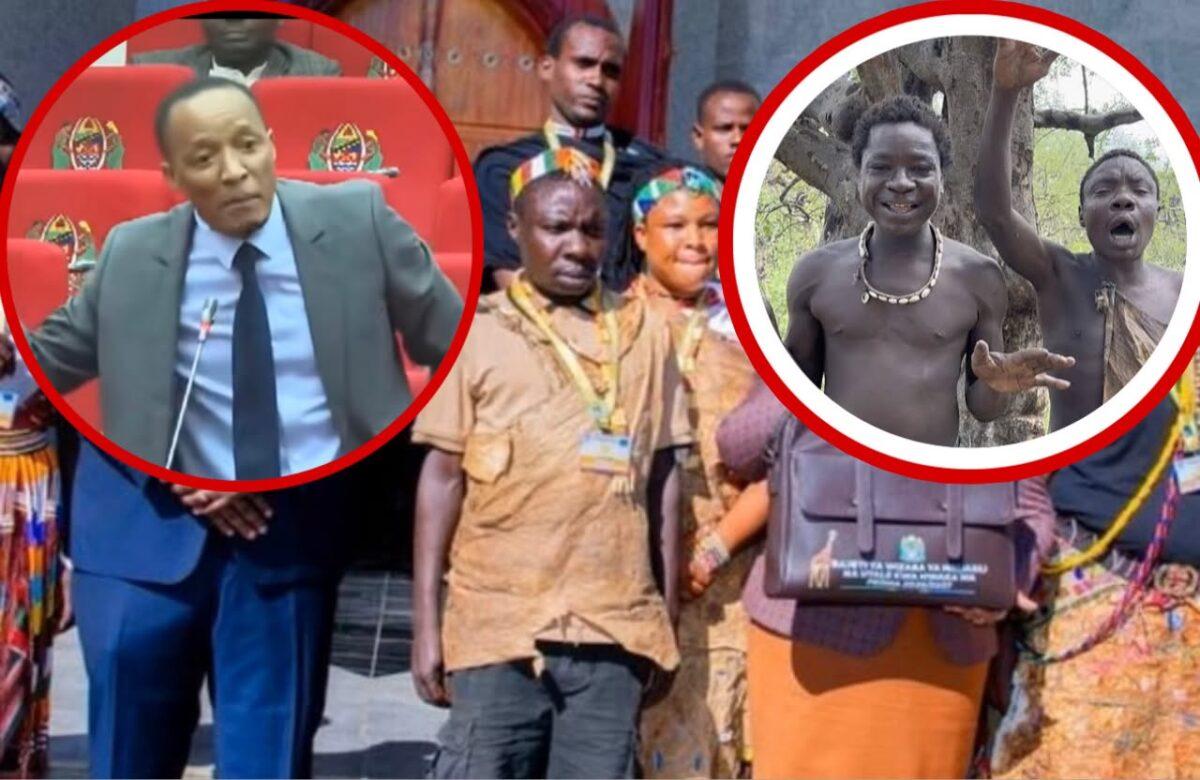
The comments were made during a debate over the Ministry of Natural Resources and Tourism budget in Dodoma on May 15, 2026, shortly after Tourism Minister Ashatu Kijaji entered Parliament, accompanied by representatives from the Hadzabe and Datoga communities.
Among those present was Cha’aba, one of the well-known faces from the Hadzabe community, whose appearance alongside government officials drew attention from MPs and members of the public following proceedings in Parliament.
Reacting after seeing some Hadzabe visitors dressed in formal suits, MP Thomas Kampala Maganga questioned whether authorities were slowly erasing the tribe’s unique identity.
“I saw the Hadzabe here today. Sister, the Hadzabe are a tribe that preserves our culture, but today you bring them here and dress them in suits, you are destroying the culture,” Maganga said.
“You will start giving them whisky, and tomorrow we will go looking for them and fail to find the real Hadzabe.”
The MP argued that tourists travel from Europe and the United States specifically to witness the Hadzabe’s traditional way of life, warning that excessive modernization could weaken one of Tanzania’s most internationally recognized indigenous cultures.
“People travel from Europe to see the Hadzabe. Others come from America to see the Hadzabe, and today you bring them into the city and put them in suits. Is this what promoting tourism means?” he asked.
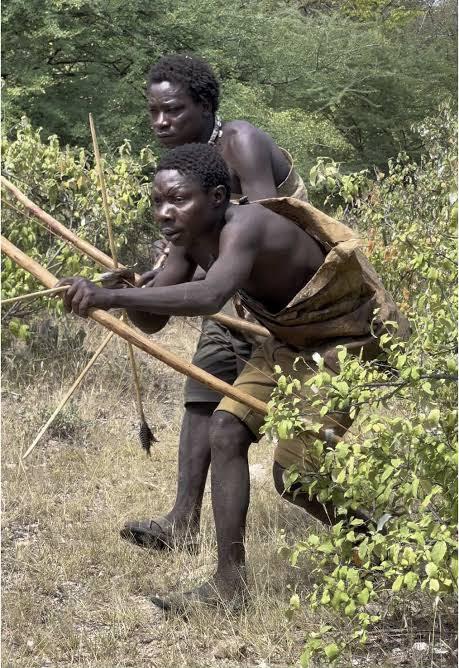
The Hadzabe, also known as the Hadza, are among the last remaining hunter-gatherer communities in Africa and mainly live near Lake Eyasi in northern Tanzania.
For decades, anthropologists, tourists and documentary filmmakers have been fascinated by their traditional lifestyle, which relies on hunting wild animals, gathering fruits and living closely with nature.
Unlike many communities that transitioned into farming and urban life, many Hadzabe families have continued preserving ancient survival traditions believed to resemble lifestyles practiced thousands of years ago.
In recent years, the tribe has also become an internet sensation after videos showing their hunting skills, language and daily life spread widely across TikTok, YouTube and international documentaries.
Some individuals from the community, including famous Hadzabe figure Dudukwe, have gained international attention through tourism activities and online content introducing global audiences to their unique lifestyle.
However, the tribe’s growing popularity has also fueled debate inside Tanzania over cultural preservation, tourism commercialization and outside influence on indigenous communities.
Supporters of greater integration argue that Hadzabe communities deserve access to education, healthcare, technology and opportunities like all other citizens.
Others fear that rapid exposure to urban lifestyles, alcohol, tourism money and modern culture could slowly erase traditions that have survived for centuries.
Maganga’s remarks quickly spread online, where Tanzanians appeared divided over whether preserving culture should also mean protecting isolated communities from excessive modernization.
The debate reflects broader questions facing indigenous communities worldwide as globalization and tourism increasingly reshape traditional ways of life.
About The Author