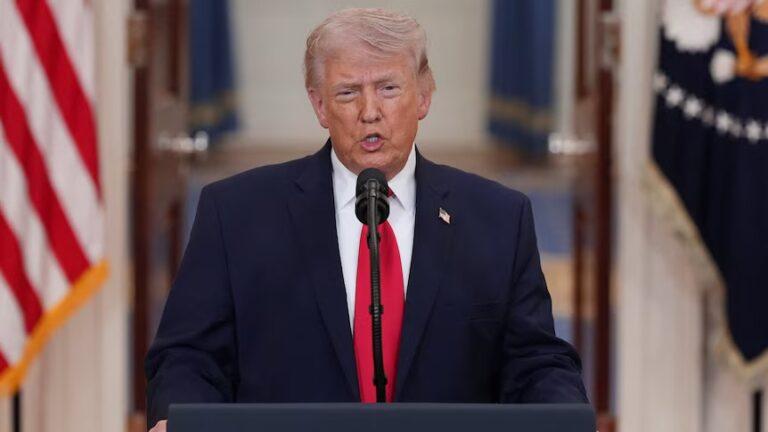

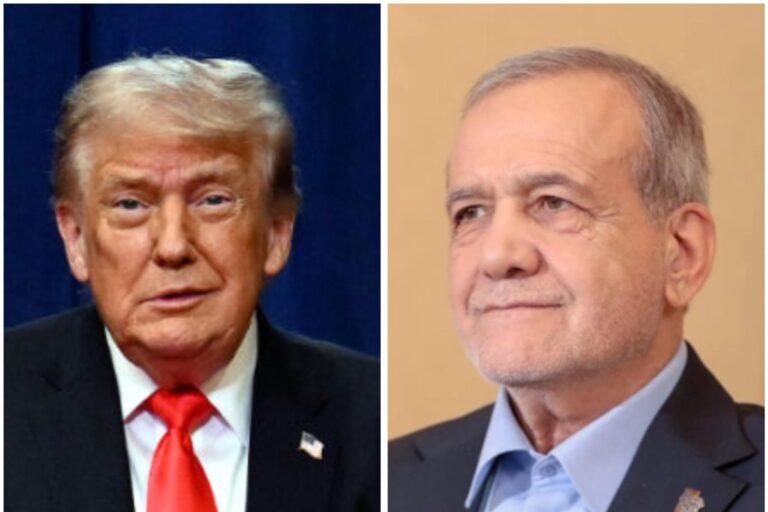
US President Donald Trump has strongly rejected Iran’s response to American proposals aimed at ending the ongoing conflict between Washington, Israel and Tehran, calling the Iranian position “completely unacceptable.”
According to Iran’s Tasnim news agency, Tehran delivered its response through Pakistan, which has been acting as a mediator between the two sides.
Iran’s proposal reportedly demanded an immediate ceasefire across all conflict zones, the lifting of the US naval blockade around Iranian ports and guarantees that no future attacks would be launched against the country.
Despite occasional clashes and reported strikes in recent days, the ceasefire aimed at opening negotiations to end the conflict launched by the United States and Israel in February has largely remained in place.
Earlier this week, Donald Trump again claimed that the war with Iran would “end quickly.”
However, Benjamin Netanyahu insisted that Iran’s enriched uranium stockpile must be completely removed before the war can officially end.
“There are still uranium enrichment facilities that need to be dismantled,” Netanyahu said during an interview with CBS program 60 Minutes.
Iranian President Masoud Pezeshkian did not directly address the proposal but warned that Iran would not surrender under pressure.
“We will not bow our heads before the enemy. Negotiations and diplomacy do not mean surrender or retreat,” Pezeshkian said Sunday.
Trump later posted on his social media platform Truth Social saying: “I have read the response from the so-called representatives of Iran. I totally reject it.”
US outlet Axios reported that Washington’s proposed 14-point framework includes demands for Iran to halt uranium enrichment, restore freedom of navigation through the Strait of Hormuz and accept conditions tied to sanctions relief.
The report, citing US officials and unnamed sources, said many parts of the proposal would only take effect after a final agreement is reached.
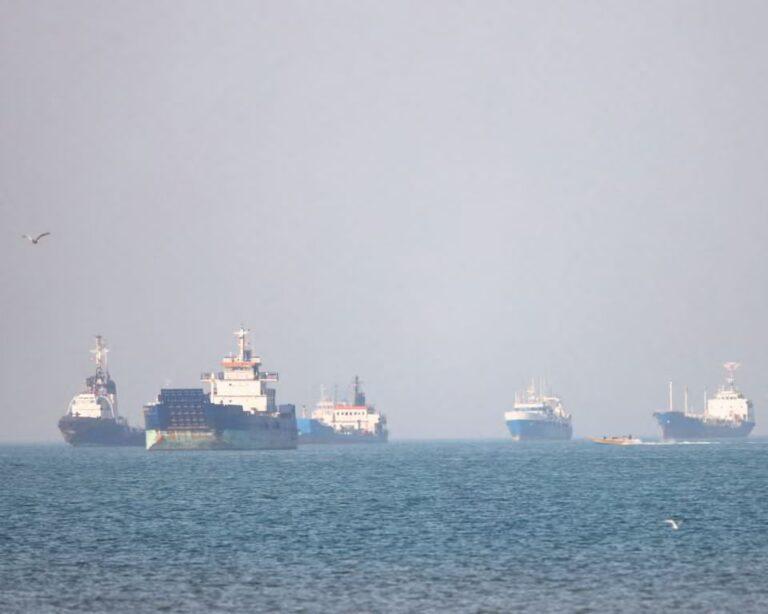
Iran has continued restricting movement through the Strait of Hormuz, a critical global oil shipping route, contributing to rising international oil prices and renewed fears in energy markets.
Meanwhile, the United States has maintained pressure through naval deployments and restrictions around Iranian ports in an effort to force Tehran into accepting American conditions.
The latest disagreements suggest major obstacles remain despite ongoing diplomatic efforts to prevent the conflict from escalating into a wider regional war.