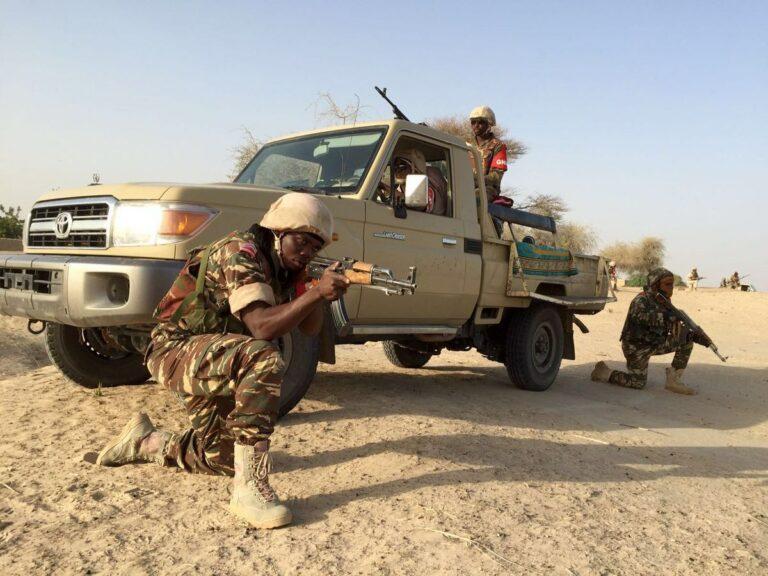

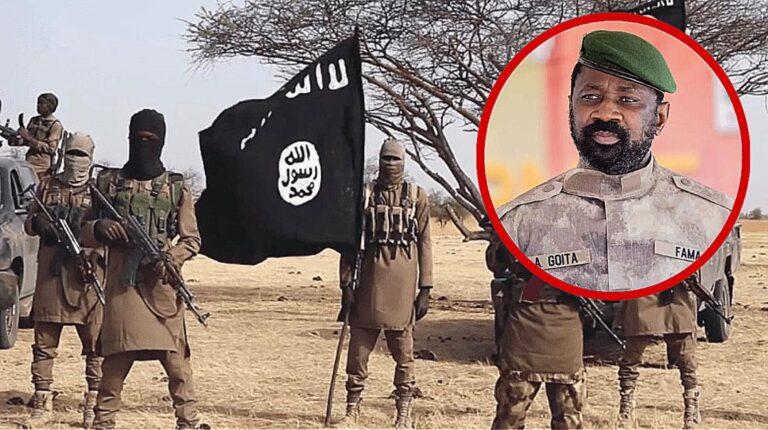
More than 30 people have been killed in two separate attacks in central Mali allegedly carried out by jihadist fighters linked to al-Qaeda, according to local and security sources in the country.
The attacks happened in villages near the Mopti and Segou regions, where armed fighters reportedly stormed communities, opened fire on civilians, and burned property before escaping into nearby rural areas.
Local residents told AFP that many victims were farmers and traders caught during the raids, while several others remain missing amid fears the death toll could rise further.
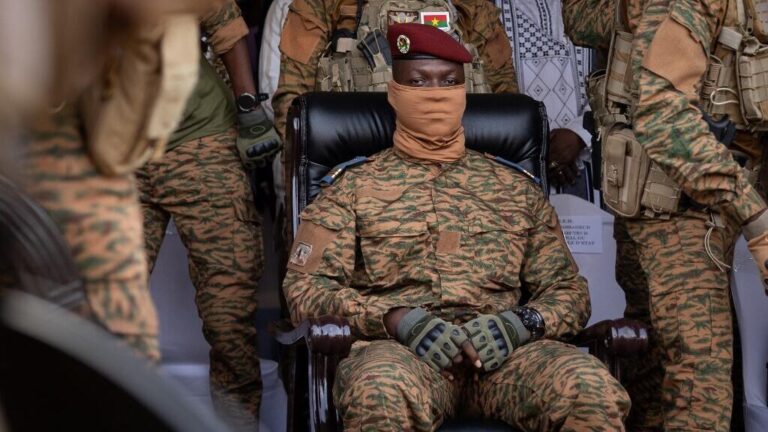
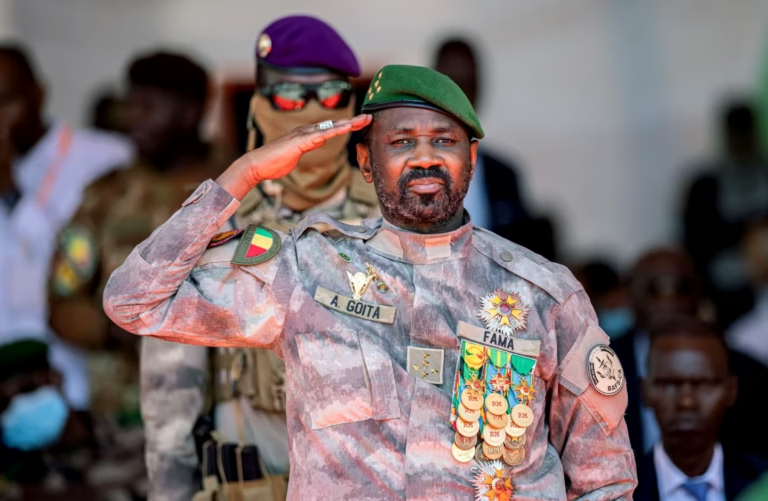
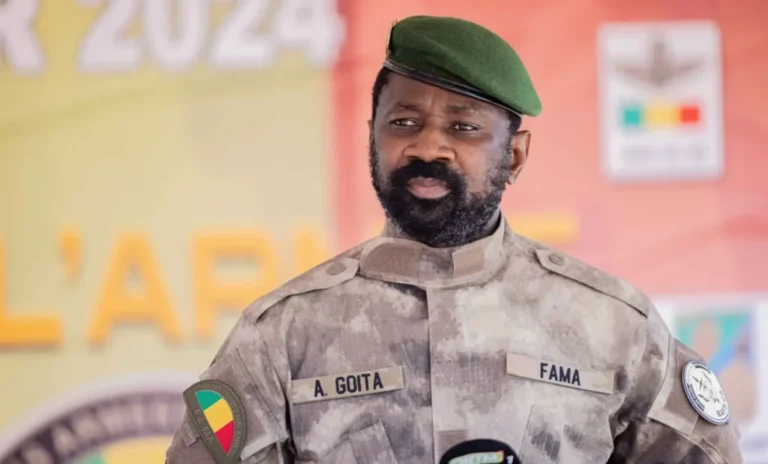
The latest violence comes less than two weeks after coordinated jihadist assaults targeted military positions across Mali, attacks that exposed growing pressure on the ruling military junta led by Colonel Assimi Goïta.
The fresh killings are also likely to intensify scrutiny on Goïta’s administration after the military leader recently reshuffled the country’s defence structure following the death of senior defence officials in earlier militant attacks.
Jihadist violence has continued spreading across Mali despite repeated military operations and promises by the junta to restore stability after taking power.
The attacks also follow another major assault earlier this year in which militants linked to Islamist groups attacked Malian military targets, forcing Goïta’s government to publicly assure citizens that the situation remained under control.
Authorities suspect the latest attacks were carried out by fighters linked to Jama’at Nasr al-Islam wal Muslimin (JNIM), a jihadist coalition affiliated with al–Qaeda that has expanded operations across Mali, Burkina Faso, and Niger.
The extremist group has increasingly targeted civilians, transport routes and military convoys in central and northern Mali as insecurity continues spreading across the Sahel region.
Earlier this year, armed Islamist fighters believed to have ties to al-Qaeda killed at least 12 drivers in another deadly attack in Mali, underlining how civilian transport networks have become regular targets.
Mali has faced Islamist insurgencies since 2012, when extremist groups and separatist rebels seized large territories in the north before a French-led intervention pushed them back.
However, violence has continued expanding into central Mali and neighboring Burkina Faso and Niger despite years of military campaigns.
The situation has further complicated relations between Mali and Western allies after the junta cut military cooperation with France and shifted toward Russian military support.
Human rights organizations have repeatedly accused both jihadist groups and pro-government forces of abuses against civilians during anti-terror operations.
Analysts warn that the latest attacks could deepen instability in Mali at a time when the military government is already facing growing pressure over security failures and the continued expansion of extremist violence across the country.