
The United States and Iran have exchanged fire in the Strait of Hormuz despite an ongoing ceasefire agreement, raising fresh fears of renewed conflict in one of the world’s most important oil shipping routes.
According to the US military, American forces carried out what it described as “self-defense strikes” after Iranian forces launched missiles, drones, and small boats toward three US Navy destroyers moving through the strategic waterway.
US Central Command said none of the warships were hit and insisted Washington was not seeking a wider increase in fighting, but remained ready to protect American forces and commercial shipping routes.
The retaliatory American strikes reportedly targeted Iranian military sites, including missile and drone launch positions, command centers, and surveillance infrastructure near Bandar Abbas and Qeshm Island.
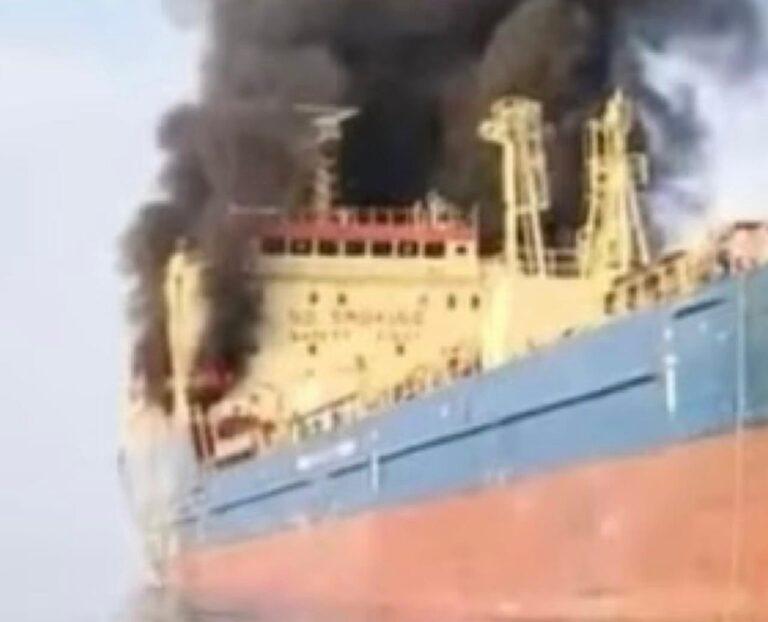
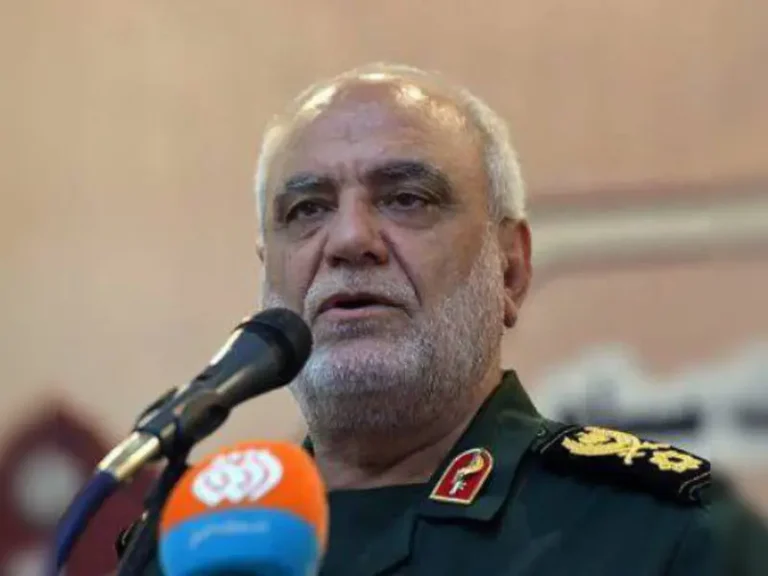
Iran, however, accused the United States of violating the ceasefire first, claiming American attacks struck civilian areas and an oil tanker entering the Strait of Hormuz. Iranian officials warned that Tehran would respond to any further aggression.
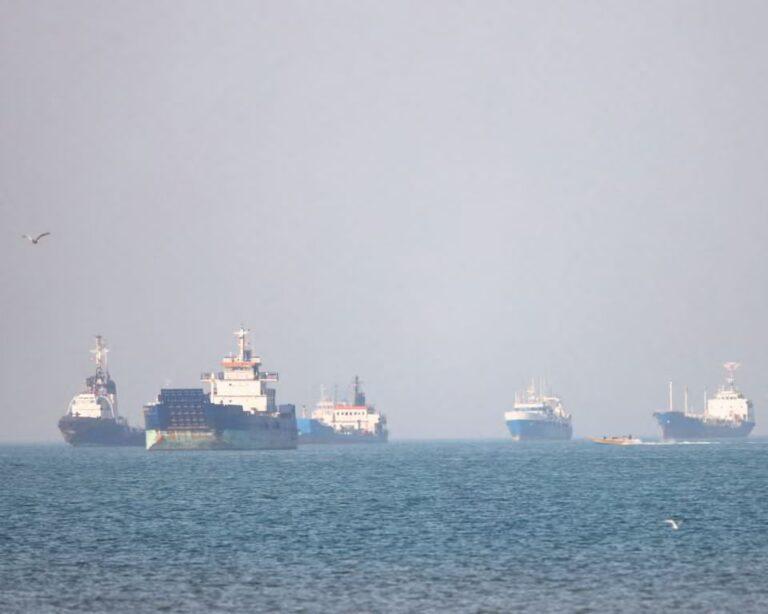
The Strait of Hormuz remains one of the world’s most critical maritime routes, with nearly a fifth of global oil trade passing through the narrow channel linking the Persian Gulf to international markets.
The latest confrontation comes days after the US launched “Project Freedom,” a military operation aimed at restoring commercial shipping through the Strait of Hormuz after Iran threatened and disrupted maritime traffic in the area.
Despite the latest exchange of fire, US Defense Secretary Pete Hegseth and senior military officials have insisted the ceasefire between Washington and Tehran remains technically in place.
President Donald Trump also downplayed the latest confrontation, reportedly describing the US response as a “love tap” while warning Iran against further attacks.
The growing tensions have already triggered concerns in global energy markets, with analysts warning that any prolonged disruption in the Strait of Hormuz could affect international oil supplies and fuel prices worldwide.