Physical Address
Delta Corner Tower,
Waiyaki Way, Westlands, Nairobi, Kenya.
Contact us:
Email: info@todaysw.com
Physical Address
Delta Corner Tower,
Waiyaki Way, Westlands, Nairobi, Kenya.
Contact us:
Email: info@todaysw.com

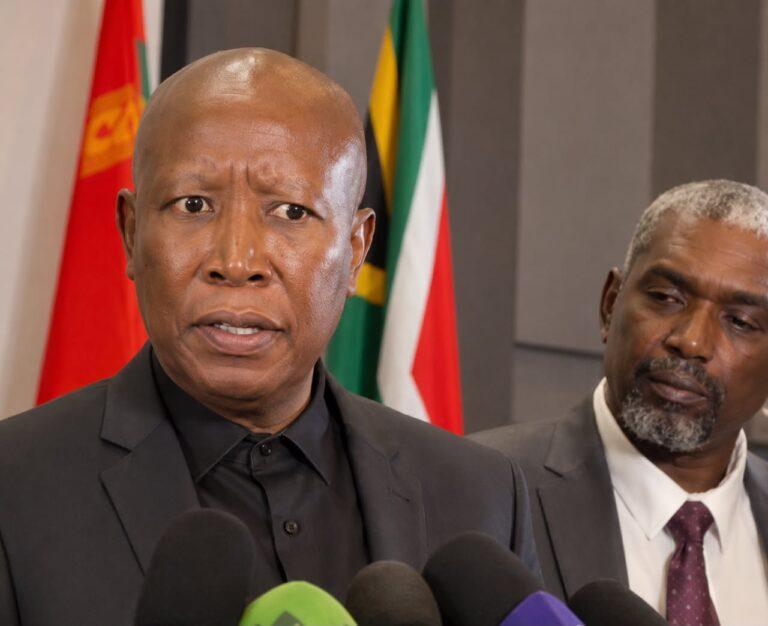
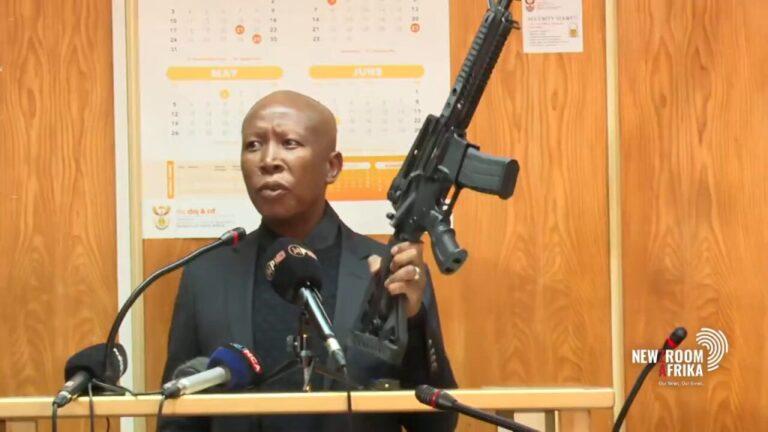
Apart from the charges he has recently faced, Julius Malema remains one of Africa’s most vocal Pan-African figures, consistently pushing for deeper unity across the continent. And speaking of unification, one of his past interviews on language offers a clear window into how he believes Africa can move closer together.
In that interview, Malema pointed to Swahili as a practical and realistic foundation for continental unity, arguing that Africa does not need to start from scratch.
“Swahili is the most practical language… not because it’s big, but because it’s already being spoken in different countries,” he said.
For Malema, the strength of Swahili lies not in dominance, but in reach. Unlike many African languages that are confined within national borders, Swahili cuts across regions, particularly in East and Central Africa, making it easier to scale.
“You might say Zulu is big, but it’s only spoken in South Africa. Once you go with a language that is already in different countries, then you are not going to start from zero,” he explained.
The leader of the Economic Freedom Fighters has long advocated for policy-driven change, and in this case, he proposed a direct starting point: education.
“We’ve made a call for Swahili to be taught in schools,” Malema said, suggesting that South Africa could take the lead and inspire the rest of the continent.
His argument goes beyond language and is rooted in dismantling colonial-era divisions that still shape African societies today.
“Once we’ve got a common language that we can use to communicate amongst ourselves and not use colonial languages, the unity of Africa is going to be easy,” he said.
“We are divided between the Francophones and the Anglophones. We are divided through colonial languages.”
Malema’s vision is straightforward: a shared African language could reduce dependence on English, French, and other European languages, while strengthening intra-African communication, trade, and identity.
“The most practical thing to do now… is to say, let’s teach Swahili and encourage other countries to start teaching Swahili,” he added.
Swahili has increasingly been recognized beyond East Africa, including by continental bodies like the African Union, as a potential lingua franca. Malema’s remarks, though from an earlier interview, continue to resonate in ongoing discussions about African integration.