

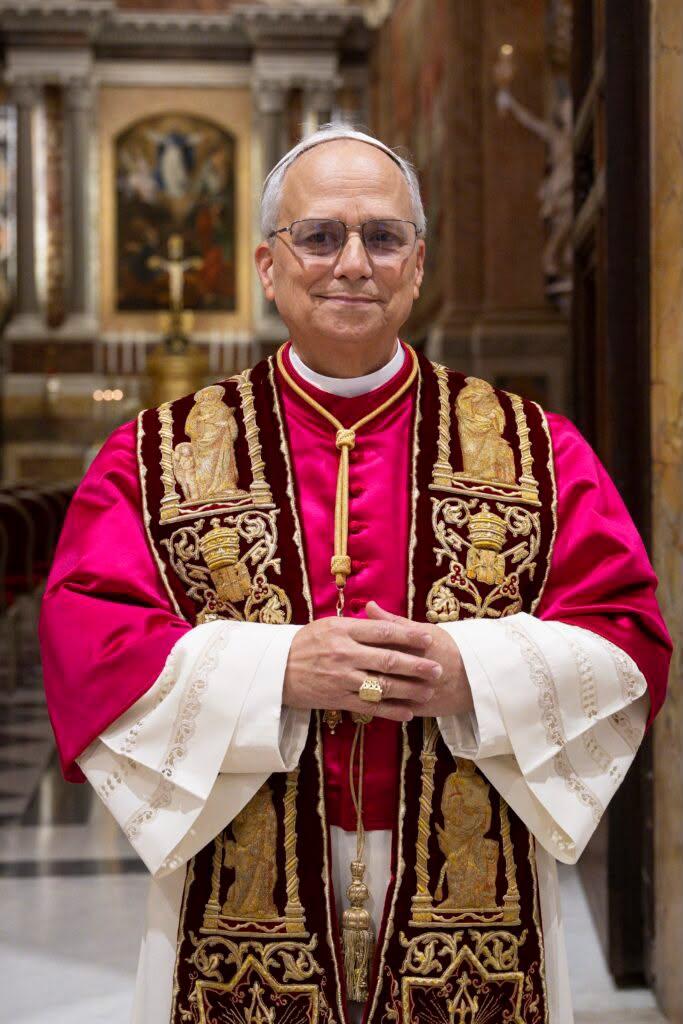
Pope Leo XIV has issued one of the strongest warnings yet from the Vatican over the rapid rise of artificial intelligence, saying the technology risks damaging human dignity, destroying jobs, spreading misinformation, and even normalizing war.
In his first major encyclical titled “Magnifica Humanitas” (“Magnificent Humanity”), released on May 25, the pontiff called for strict global oversight of AI development and warned against allowing powerful technology companies to dominate the future of humanity without accountability.
The document marks the first major policy-style statement of Pope Leo’s papacy and places artificial intelligence at the center of the Catholic Church’s global moral concerns.
The pope stopped short of demanding a total ban on AI, but strongly argued that governments and international institutions must regulate the technology before it grows beyond human control.
He criticized what he described as a growing concentration of technological power in private corporations that now influence politics, communication, labor, and even warfare.
The Vatican document warned that AI systems are increasingly capable of manipulating information, simulating human emotions, and replacing human decision-making in sensitive areas of life.
Pope Leo also expressed fears about the military use of AI, saying automation in warfare could push humanity into what he described as a “spiral of annihilation” or even “unending war.”
Over recent months, the pope has repeatedly spoken against excessive dependence on AI-generated communication and digital systems.
Earlier this year, he warned that artificial intelligence could interfere with “human relationships” by imitating human faces, voices, and emotions too closely. He also argued that technology should never replace human creativity and thinking.
In another message issued for the World Day of Social Communications, Pope Leo urged governments, educators, and families to protect young people from digital manipulation and online misinformation linked to AI technologies.
The pope has even discouraged Catholic clergy from relying on AI tools to prepare sermons, arguing that faith and spiritual connection cannot be replaced by algorithms.
The Vatican’s growing focus on AI comes as governments around the world struggle to respond to fast-moving advances in generative artificial intelligence led by companies such as OpenAI, Google DeepMind, Meta, and Anthropic.
Despite his criticism, Pope Leo has not rejected technology entirely. Vatican officials say the Church supports innovation but wants AI systems to remain centered on human dignity, ethics, and public accountability rather than profit or political power alone.
About The Author