
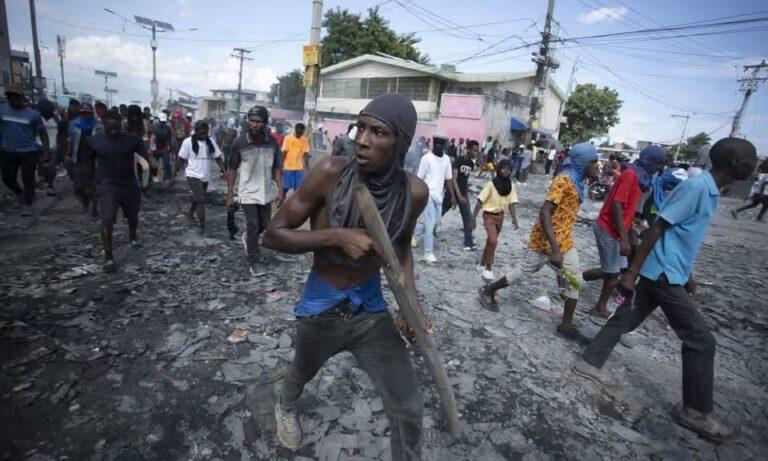
A fresh wave of gang violence in Haiti has forced hundreds of people to flee their homes in the capital, Port-au-Prince, worsening the country’s already severe humanitarian crisis.
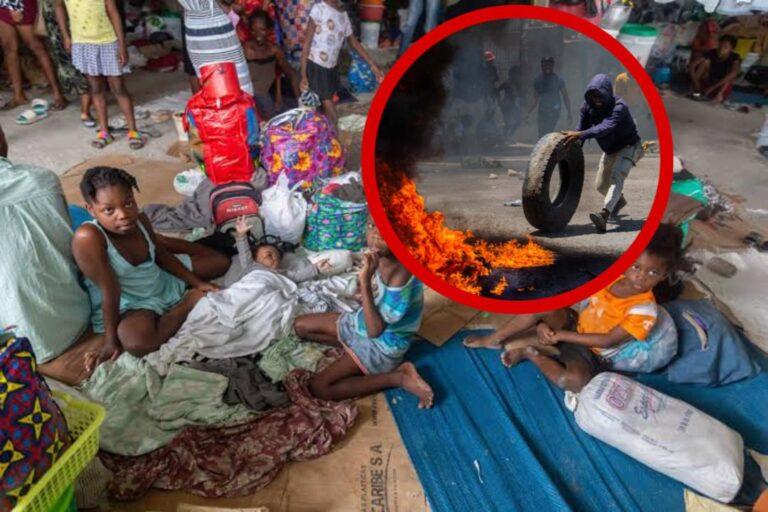
Residents escaping the violence have reportedly set up temporary shelters along roads near Toussaint Louverture International Airport as armed gangs continue expanding attacks across the capital.
The latest clashes began over the weekend in several neighborhoods of Port-au-Prince, including parts of the densely populated commune of Cité Soleil, one of the areas most heavily affected by gang activity.
Hospitals in Cité Soleil were forced to evacuate patients as fighting intensified, while the medical charity Médecins Sans Frontières (MSF) announced the suspension of services in the area because of security concerns.
Haitian police say gangs have expanded operations beyond the capital into rural communities, carrying out kidnappings, looting, sexual violence, and armed robberies.
The violence comes as Haiti continues struggling with political instability following the assassination of former president Jovenel Moïse in July 2021.
Since Moïse’s killing, Haiti has operated without an elected president, while armed groups have steadily gained control over large sections of the country.
According to the International Organization for Migration (IOM), gang violence has displaced around 1.4 million people across Haiti this year alone.
The United Nations has repeatedly warned that Haiti’s humanitarian and security crisis is reaching catastrophic levels as gangs tighten their grip on neighborhoods, transport routes and economic infrastructure.
The Kenyan-led multinational security mission deployed to Haiti earlier this year has struggled to contain the violence despite support from international partners.
Human rights groups say civilians continue paying the highest price, with many communities trapped between rival gangs and weakened state institutions unable to restore order.
Food shortages, school closures and collapsing healthcare systems have also increased public suffering as insecurity spreads across both urban and rural regions.
Aid organizations warn that continued violence could trigger another major displacement wave in the Caribbean nation if security conditions fail to improve in the coming months.