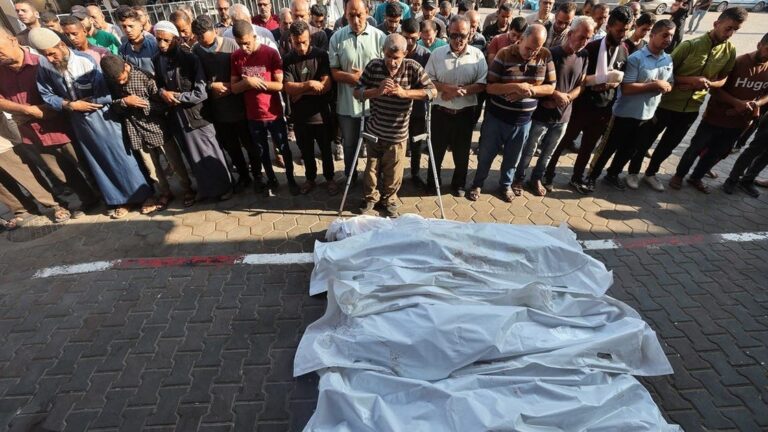

A long-blocked gateway between the Gaza Strip and Egypt has begun to reopen under a pilot operation after almost two years, raising cautious optimism among civilians who have endured extreme isolation and desperate conditions since the war began.
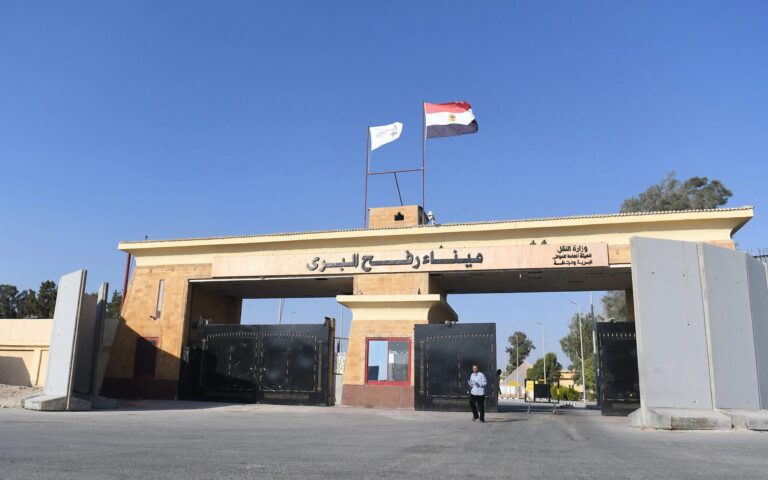
The Rafah crossing Gaza’s only direct link to the outside world not controlled by Israel had been largely shuttered since May 2024, when Israeli forces seized control of the terminal during the conflict with Hamas. The closure, which cut off the territory from normal civilian movement and much of its previous cross-border traffic, has been a major humanitarian and logistical bottleneck for nearly 2.2 million residents.
Under the new arrangement, Israel and Egypt in coordination with European Union border agents are allowing limited pedestrian traffic in both directions. Officials expect roughly 200 Palestinians per day to be able to cross initially, with around 50 people departing Gaza daily for medical care or temporary transit and a similar number returning.
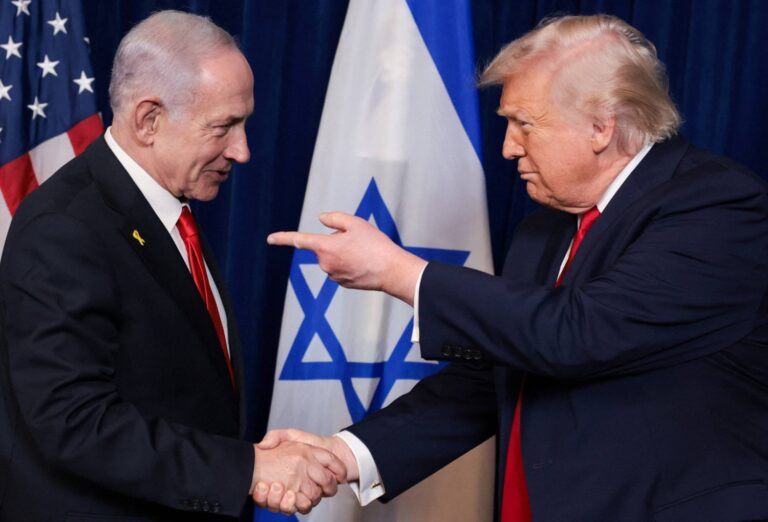
The reopening represents a key component of the first phase of a U.S.-brokered peace plan, which includes phased ceasefire terms, the return of displaced residents, and a gradual transition toward stable governance structures in the Strip. It was also contingent on developments related to hostages and mutual agreements between the parties involved.
For many Gazans, Rafah has been a symbol of despair as well as potential relief. Tens of thousands of patients and civilians have been waiting for a chance to seek medical treatment, reunite with loved ones abroad, or return home after periods of displacement. The crossing’s closure had left many stranded inside Gaza, unable to access essential services, personal documentation processes, or external care.
“We are waiting in hope,” said one young resident in the Rafah area, referring to the opportunity to finally travel for needed medical treatment and humanitarian reasons. Gazans have long viewed Rafah as a lifeline to the world beyond the enclave’s war-scarred borders.
Humanitarian groups and international observers welcomed the limited reopening as a meaningful step forward but emphasized that much more remains to be done. They have repeatedly called for the crossing to be opened fully including for humanitarian aid and supplies, not just people to address deepening shortages of medical supplies, food, fuel and other essentials that have strained Gaza’s beleaguered health infrastructure.