Physical Address
Delta Corner Tower,
Waiyaki Way, Westlands, Nairobi, Kenya.
Contact us:
Email: info@todaysw.com
Physical Address
Delta Corner Tower,
Waiyaki Way, Westlands, Nairobi, Kenya.
Contact us:
Email: info@todaysw.com
World Health Organization Director-General Tedros Adhanom Ghebreyesus has met Ugandan President Yoweri Museveni as health authorities battle a growing Ebola outbreak linked to neighboring DR Congo, while urging Kampala to reconsider its decision to close the border.
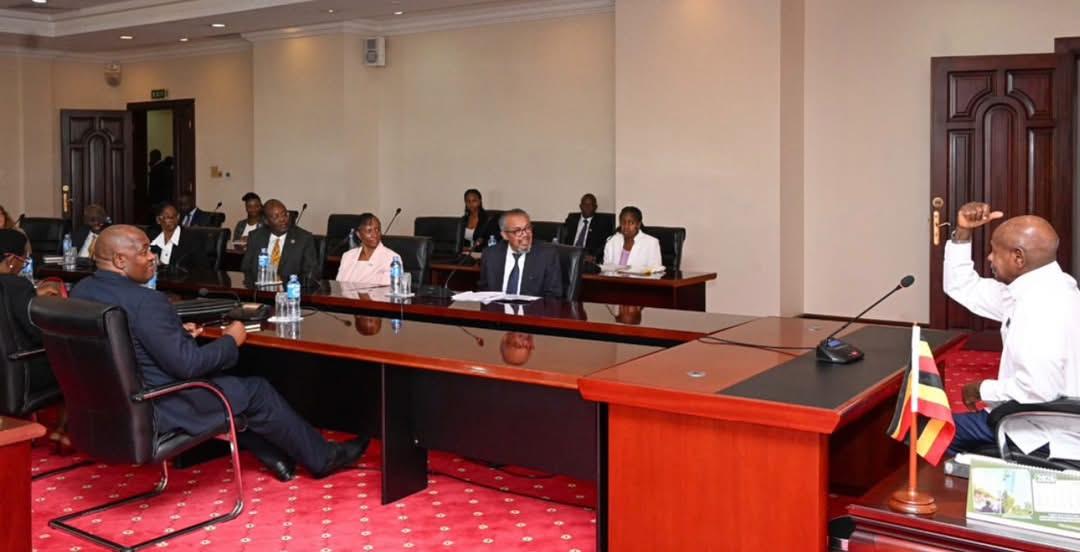
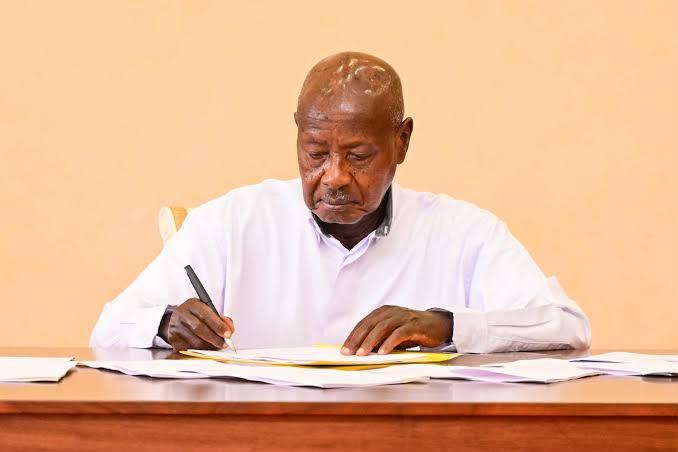
World Health Organization (WHO) Director-General Dr. Tedros Adhanom Ghebreyesus met Ugandan President Yoweri Museveni on Monday as Uganda stepped up efforts to contain an Ebola outbreak that has already claimed two lives in the country.
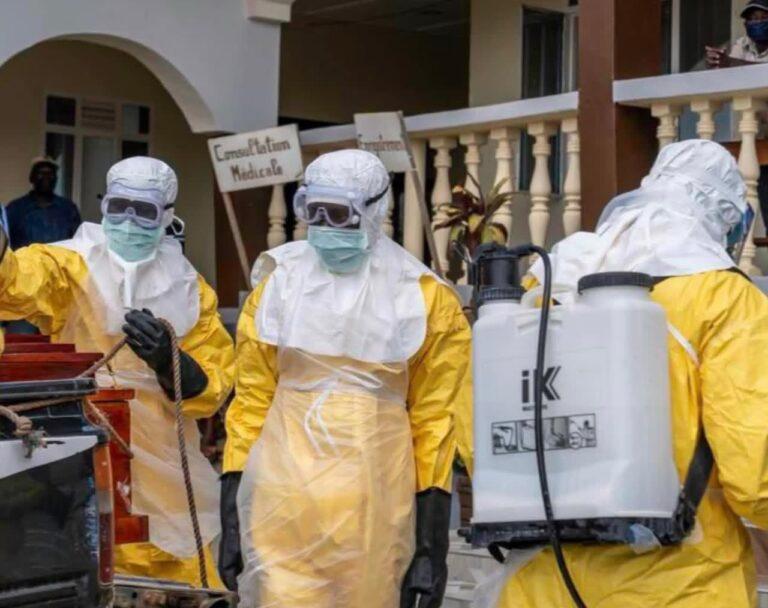
Tedros is in Uganda to support the government’s response and assess measures being taken to prevent further spread of the disease, which health officials say crossed into Uganda from the neighboring Democratic Republic of Congo (DRC).
The visit comes amid growing concern across East and Central Africa as infections continue to rise in Congo, the epicenter of the outbreak.
At the same time, the Africa Centres for Disease Control and Prevention (Africa CDC) announced that confirmed Ebola cases in the DRC have reached 544, with 91 deaths recorded so far.
Uganda recently took the controversial step of temporarily closing its border with the DRC after several suspected cases were detected among health workers who had treated patients arriving from across the frontier.
Ugandan authorities defended the move as an emergency measure aimed at slowing the spread of the virus.
However, Tedros indicated that WHO continues to favor strict screening, surveillance, and cross-border health monitoring rather than complete border closures.
Health experts have long argued that closing borders during disease outbreaks can push travelers toward unofficial crossing points, making it harder for authorities to track infections and identify potential cases.
While no formal disagreement emerged from the meeting, Tedros is understood to have encouraged Ugandan officials to review the closure’s effectiveness and consider alternative public health measures consistent with international guidelines.
Uganda has maintained that the restrictions are temporary and necessary because the current outbreak involves the Bundibugyo strain of Ebola, for which no approved vaccine currently exists for emergency use.
Authorities have also introduced additional measures for anyone entering Uganda from the DRC under exceptional circumstances.
According to Uganda’s Ministry of Health, individuals permitted to cross the border for humanitarian operations, Ebola response activities, security missions, or essential cargo transportation will be subject to health screening and mandatory monitoring.
Those arriving from affected areas may also face quarantine requirements lasting up to 21 days.
The latest outbreak has renewed fears of a wider regional health emergency, particularly given the extensive movement of people and goods between Uganda and eastern Congo.
Despite the rising number of cases, health officials point to some encouraging signs. Several infected healthcare workers and Ebola responders in the DRC have recovered and returned home after receiving treatment, highlighting progress in patient management and outbreak response efforts.
Still, health authorities warn that the situation remains serious.
With more than 500 confirmed infections now reported in Congo and concerns over cross-border transmission growing, regional governments and international health agencies are racing to prevent another major Ebola crisis from taking hold in East Africa.
Tedros’ visit underscores the increasing urgency of that effort as Uganda and its neighbors seek to balance public safety, economic activity, and the movement of people across one of Africa’s busiest border regions.