Physical Address
Delta Corner Tower,
Waiyaki Way, Westlands, Nairobi, Kenya.
Contact us:
Email: info@todaysw.com
Physical Address
Delta Corner Tower,
Waiyaki Way, Westlands, Nairobi, Kenya.
Contact us:
Email: info@todaysw.com
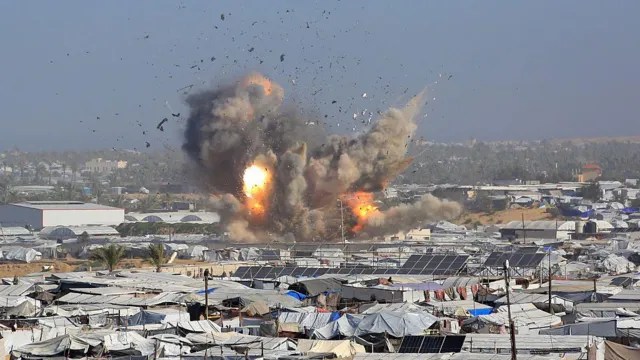
Israeli strikes in the Gaza Strip killed at least 30 Palestinians, including several children, on Saturday in one of the deadliest incidents since a fragile ceasefire took effect, health officials and local sources said, highlighting continuing violations of the truce.
The airstrikes hit multiple locations, including a residential building in Gaza City, a tent camp in Khan Younis, and a police station in Sheikh Radwan, according to reports from Gaza hospitals and civil defence authorities. Many of the victims were civilians women, children and entire families who were sheltering in areas believed to be protected under the terms of the ceasefire.
Palestinian health officials said the toll reflects a sharp escalation in violence despite a truce that was designed to reduce hostilities after years of conflict. The strikes came as the Rafah border crossing with Egypt was scheduled to reopen, a development seen as crucial for humanitarian access and medical evacuations.
Hamas denounced the strikes as a violation of the ceasefire agreement, accusing Israeli forces of targeting civilian areas and undermining efforts to stabilize the enclave. The group called on the international community to pressure Israel to halt its attacks and uphold the terms of the truce.
The Israeli military framed its operations as retaliatory measures against what it describes as breaches of the ceasefire, including alleged movements of militants through tunnels in the Rafah area. An Israeli defence statement said that its actions were aimed at neutralizing armed elements and safeguarding its forces, but it did not dispute that civilians were among the dead.
Despite the formal cessation of widespread fighting established in October 2025, Gaza’s health ministry reported that more than 500 Palestinians have been killed by Israeli fire since the ceasefire began, with a large proportion of the victims being women and children.
The resurgence of lethal strikes underscores the fragile nature of the ceasefire, which was brokered through intense negotiations and has faced repeated tests as both sides grapple over compliance and security concerns. The United States and other mediators, who helped bring about the truce, have urged restraint and adherence to the agreement, even as violations continue.
Family members of victims gathered at hospitals in Gaza City on Saturday to mourn those killed, many of whom were returning to civilian life or seeking shelter when the attacks struck. Images circulating on social media showed grieving relatives, damaged homes and destroyed infrastructure, painting a stark picture of the human cost.
Humanitarian organisations have repeatedly warned that continued breaches of the ceasefire risk deepening an already dire humanitarian crisis in Gaza, where access to food, medical care and clean water remains limited. Aid agencies have urged both parties to respect international law and protect civilians.
The Israeli military has indicated that its operations will continue in response to what it views as threats from militant groups, but it has also signalled a willingness to maintain dialogue under the ceasefire framework. Gazan authorities, however, have called for immediate international intervention to stop further civilian deaths.
As of Saturday evening, the death toll and reports of injuries were still being updated, with emergency teams working to recover bodies and assist affected families. The latest violence raises fresh concerns about the effectiveness of the ceasefire and the prospects for a durable peace in the region.