Physical Address
Delta Corner Tower,
Waiyaki Way, Westlands, Nairobi, Kenya.
Contact us:
Email: info@todaysw.com
Physical Address
Delta Corner Tower,
Waiyaki Way, Westlands, Nairobi, Kenya.
Contact us:
Email: info@todaysw.com
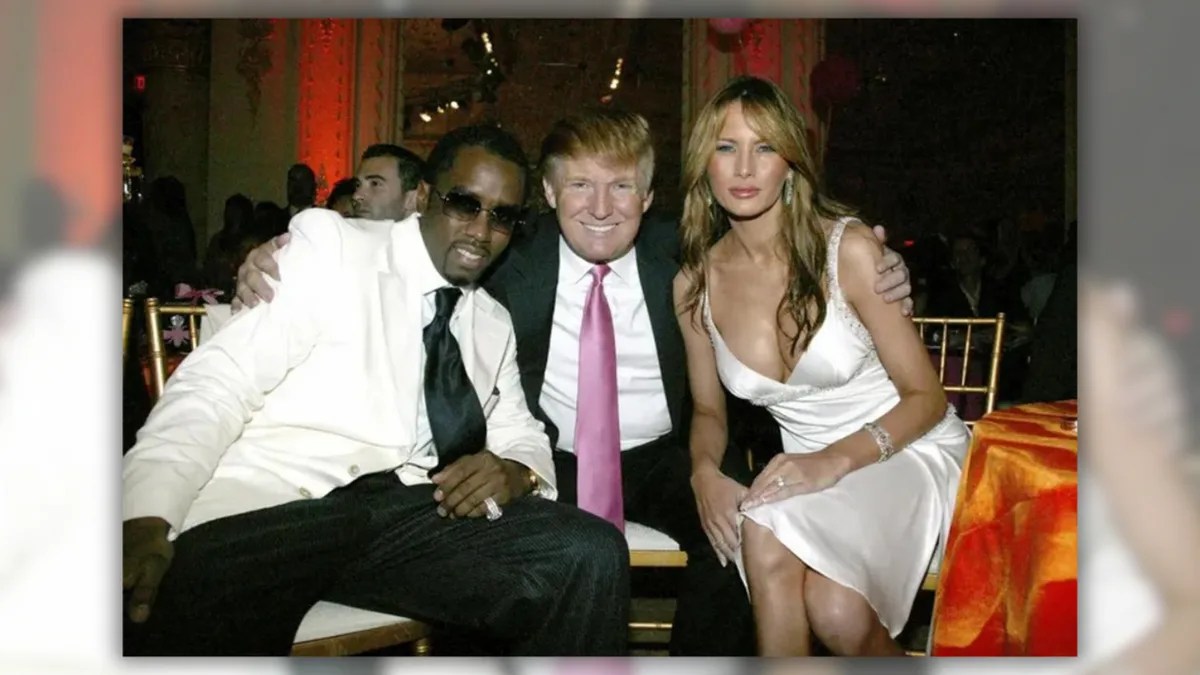
Former U.S. President Donald Trump has revealed that Sean “P. Diddy” Combs reached out to him shortly after being sentenced to over four years in federal prison, allegedly requesting his help or advice on a possible pardon.
Speaking during a brief press interaction outside his campaign headquarters, Trump described the exchange as “cordial” and said that Combs expressed “regret and a desire for guidance” following his sentencing. The former president stated that while he has not made any formal decision, he is “open to hearing what can be done” depending on the circumstances surrounding the case.
“I know him, I’ve known him for a long time,” Trump said. “He’s been through a lot, and he reached out. I told him I’d take a look, but of course, these things go through the Department of Justice.”
The remarks immediately drew national attention, with political commentators questioning whether Trump’s statement was an attempt to court further publicity amid his ongoing campaign activities. Some analysts also pointed out that the revelation could reignite discussions around the limits of presidential influence in judicial matters, particularly when it comes to high-profile celebrity cases.
Combs was sentenced on October 3 to four years and two months in federal prison after being convicted of transporting individuals for prostitution. He was acquitted of several more serious charges, including sex trafficking and racketeering, but the court maintained that his conduct warranted significant prison time.
Following the verdict, Combs’ legal team requested that he serve his sentence at FCI Fort Dix, a New Jersey facility known for its rehabilitation programs. His lawyers argued that he would benefit from structured treatment for substance abuse and behavioral recovery.
Trump’s comments suggested that Combs, after learning of his sentencing, reached out in an emotional state. “He wasn’t asking for anything crazy,” Trump said. “He just wanted to talk about what happens next, about rehabilitation and second chances.”
The statement was not an official confirmation of a pardon request, though Trump’s phrasing implied that Combs may have raised the subject indirectly. When pressed by reporters on whether he would consider granting a pardon if re-elected, Trump replied, “We’ll see. It’s early, but I believe in redemption. People make mistakes, especially in that industry.”
The revelation sparked mixed reactions across social media and political circles. Supporters of Trump praised his willingness to “listen to everyone,” while critics accused him of using the situation for political gain. Legal experts noted that a federal pardon cannot be granted until a sentence is fully served or formally reviewed by the Department of Justice’s Office of the Pardon Attorney.
Meanwhile, Combs’ representatives have declined to confirm or deny whether such contact took place, stating only that “Mr. Combs remains focused on his rehabilitation process and respects the legal process ahead.”
The case adds another layer to an already complex public narrative surrounding both figures. Trump, who has often positioned himself as a champion of criminal justice reform during his presidency, previously issued clemency to several entertainers, including rapper Lil Wayne and producer Michael “Harry-O” Harris.
As of now, no formal documentation has been submitted regarding a pardon request for Combs. Legal observers note that even if such a request were made, it would likely undergo a lengthy review process and carry considerable public and political scrutiny.
For now, Combs continues to await a final decision from the Bureau of Prisons regarding his facility placement, while his attorneys prepare an appeal challenging aspects of his conviction and sentencing.
The intersection of politics, celebrity, and justice continues to fuel public fascination with the case, leaving open questions about how far influence and redemption can go in the American legal system.