Physical Address
Delta Corner Tower,
Waiyaki Way, Westlands, Nairobi, Kenya.
Contact us:
Email: info@todaysw.com
Physical Address
Delta Corner Tower,
Waiyaki Way, Westlands, Nairobi, Kenya.
Contact us:
Email: info@todaysw.com
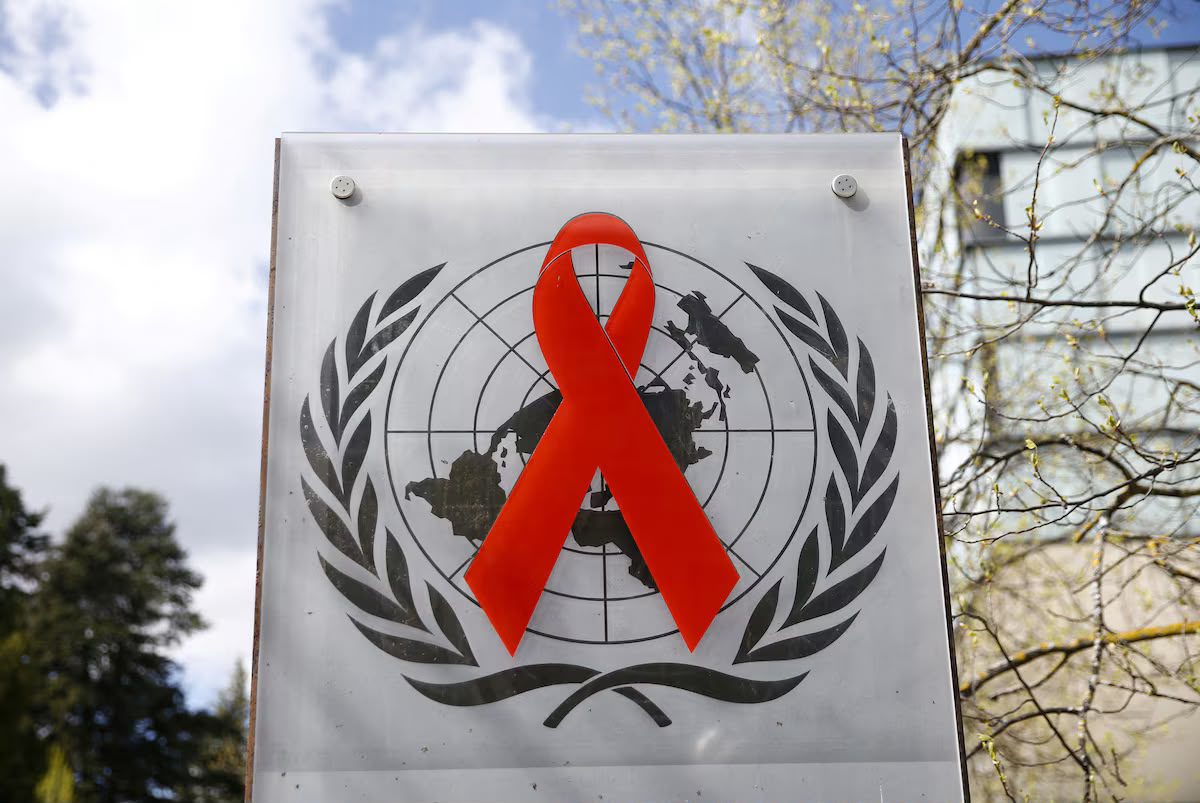
The world could face a renewed rise in HIV infections if the decline in international funding for the fight against AIDS continues, the United Nations has warned, raising fears that decades of progress could be lost.
The warning from UNAIDS comes as international financial support for HIV programmes continues to fall, leaving countries and health organizations struggling to maintain services that have helped prevent millions of new infections and AIDS-related deaths.
According to UNAIDS, global funding for the HIV response fell by 18% in 2025 to US$7.3 billion, its lowest level in nearly two decades. The decline has raised concerns that some of the world’s most vulnerable communities could lose access to essential prevention, testing and treatment services.
The agency has already reported disruptions in HIV programmes across dozens of countries, including shortages of HIV medicines and testing kits, reduced laboratory services and cuts to prevention programmes. Access to PrEP, a medicine that can significantly reduce the risk of acquiring HIV, has also been affected in some settings.
The biggest concern is that funding cuts could weaken the two sides of the HIV response at the same time: preventing people from acquiring the virus and ensuring that those already living with HIV can access treatment.
When prevention programmes are reduced, fewer people may receive HIV testing, condoms, PrEP and other services that help prevent new infections. At the same time, interruptions to treatment can leave people living with HIV without the medicines they need to stay healthy and maintain viral suppression.
UNAIDS has warned that community organizations, which play a major role in reaching vulnerable populations and connecting people to testing and treatment, have also been among those affected by the funding crisis. In some countries, organizations have been forced to reduce or stop activities that previously helped people access HIV services.
The situation is particularly worrying because the world has made significant progress against HIV over the past several decades. New infections have fallen in many parts of the world, while antiretroviral treatment has allowed millions of people living with HIV to live longer and healthier lives.
However, UNAIDS says that progress remains fragile. Its latest global strategy continues to target the end of AIDS as a public health threat by 2030, but achieving that goal will require sustained investment in prevention, testing and treatment. The agency estimates that low- and middle-income countries will need US$21.9 billion annually through 2030 to meet global HIV targets.
The warning therefore does not mean that a worldwide surge in HIV infections is inevitable. Rather, it highlights the consequences that could follow if funding reductions continue for a prolonged period and essential services are allowed to deteriorate.
For UNAIDS, the message is clear: the progress achieved in the fight against HIV cannot be taken for granted. Without sufficient funding, programmes that took years to build could weaken, leaving millions of people at greater risk of infection and making the global goal of ending AIDS much harder to achieve.