Noelia Castillo Ramos’ story has shocked Spain and the world, but not just because of its tragic details but because of the legal and ethical issues surrounding her final decision.
Born in Barcelona, her childhood was plagued by instability, with periods in care after her parents’ divorce when she was 13, and spoke openly about her upbringing in a “deeply disturbed” home environment.
Her life took a catastrophic turn in 2022 when, according to a series of reports, she was gang raped. It was “the breaking point in her life,” she later said.
Then, in October 2022, she attempted suicide by throwing herself out of the fifth-floor window. While she survived, the fall left her paralysed and in constant, chronic pain.
From that day on, her life was one of extreme suffering; a mix of emotional and physical trauma she said made her days one long period of pain that was “impossible to bear.”
In April 2024, she filed an application for euthanasia under Spain’s assisted dying laws; doctors agreed her condition was “serious, chronic, and irreversible.”
But it was the next two years that saw the legal and ethical arguments reach a peak. Her father contested her decision at every stage, trying through repeated court challenges to block the procedure. He argued she wasn’t capable of making that choice due to her mental state, but those arguments were rejected at all levels of the Spanish courts, including the Supreme Court and the Constitutional Court. Eventually, even the European Court of Human Rights ultimately refused to grant an injunction to prevent her death. Her mother disagreed with the decision but stayed by her daughter’s side in her last days, whereas her father maintained his opposition right until the end.
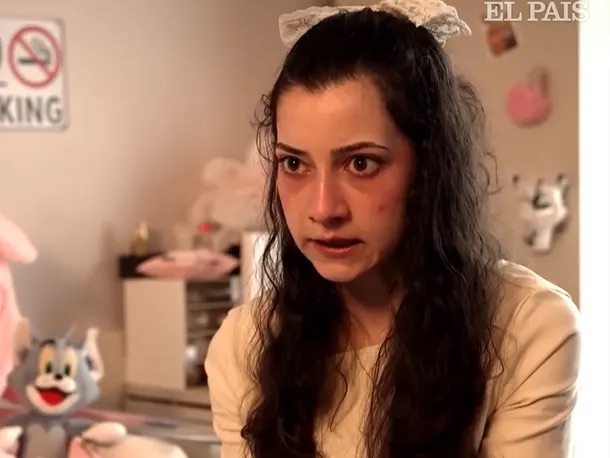
In her final televised interview on the Antena 3 show ‘Y Ahora Sonsoles‘, Noelia explained why she made the decision. “I just want go in peace and stop suffering,” she said, while clarifying: “I don’t want to be an example of anyone… it’s my life.”
She spoke of the weight of her trauma, her fight for survival, and her chronic pain saying she felt “finally I could rest.” At the time, Noelia said she would be dressed, peaceful and “completely alone” in her final moments, and said she did not want to be “a martyr.”

The euthanasia procedure was scheduled to take place on Today on Thursday, March 26, 2026, 601 days after her final decision but following nearly two years of legal battling.
Her case has become one of the most debated of the Spanish legal system’s recent history, questioning of autonomy and who can decide when suffering ends.