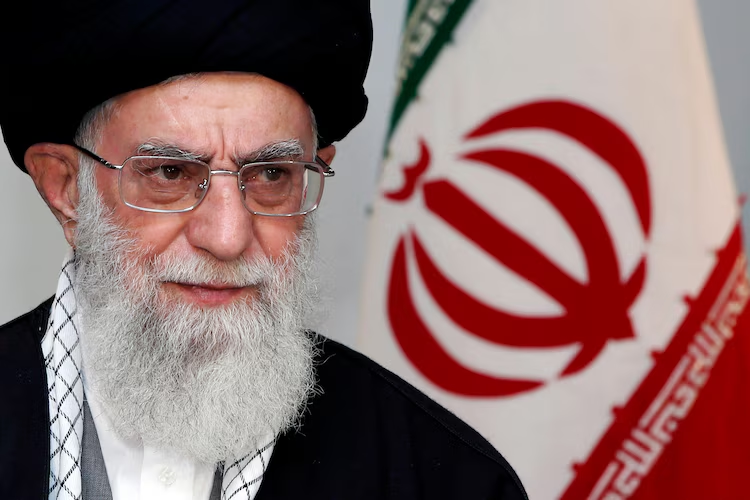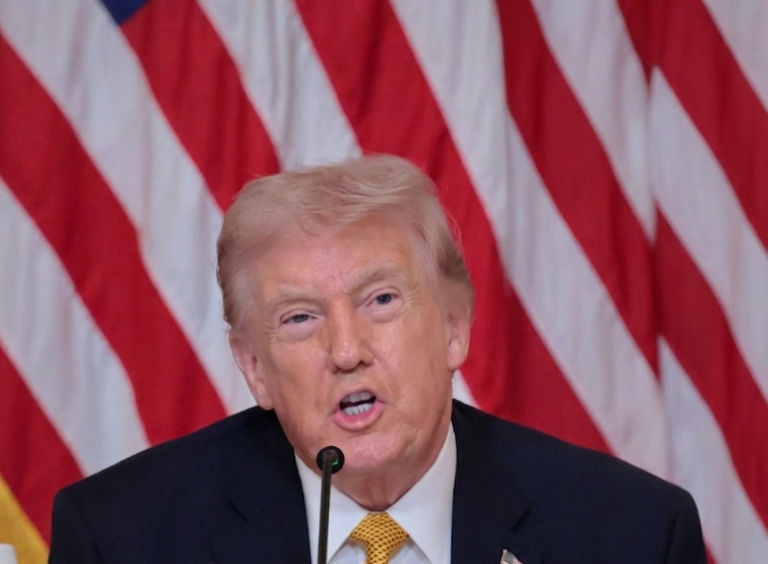
European governments have refused US President Trump’s request to enter a military conflict to ensure the free flow of navigation in the Strait of Hormuz as according to Iran’s diplomat, Abbas Araghchi the waterway is open, “but it is closed to our enemies.“
European leaders have officially rejected US President Donald Trump’s requests to enter a military operation to secure freedom of navigation in the Strait of Hormuz.
The opposition led by German officials who stressed that “it is not our war,” confirmed their decision not to participate in military actions. While the UK expressed concern over the stability of the market it has also resisted increasing the risks of drawing itself into the region.
The EU bloc, under the guidance of Kaja Kallas (High Representative for Foreign Affairs), preferred either a negotiated agreement or a similar solution to the Black Sea grains deal (regarding oil instead of grains) that would involve enhancing an already existing mission (Operation Aspides) but not an offensive approach.
President Trump expressed strong disappointment with his European partners and more strongly with the UK accusing it of hurting the future of NATO with its resistance; Trump had warned of “very bad consequences” in the future of NATO due to their lack of support.
The administration of Donald Trump is currently trying to gather around 7 countries-including those whose economies depend on Gulf oil- to form a military bloc that can police the waterway.
Military threats: The US has threatened “bomb the hell out of the shoreline,” and to “occupy Iran’s Kharg Island oil terminal,” should the blockade of the strait continue.
Iranian Foreign Minister Abbas Araghchi reiterated a defiant posture where the waterway has technically been opened but the route is closed to “enemies” (specifically referring to US and Israeli connected ships and vessels).
Regardless of Araghchi’s statement many international shipping companies have ceased navigating the Strait of Hormuz due to the rising insurance premiums and potential dangers in the waters causing an international oil supply crisis; despite Araghchi’s statement many commercial shippers have opted not to use the strait due to increased risks and the rising costs linked to transit.
The crisis over the Strait of Hormuz has pushed oil prices above $100 a barrel, heightening anxieties globally; the only countries so far which are thought to have traversed the Strait are Indian and Chinese tankers, while the vast majority of oil shipments-roughly 20% of global oil-stay at a standstill.