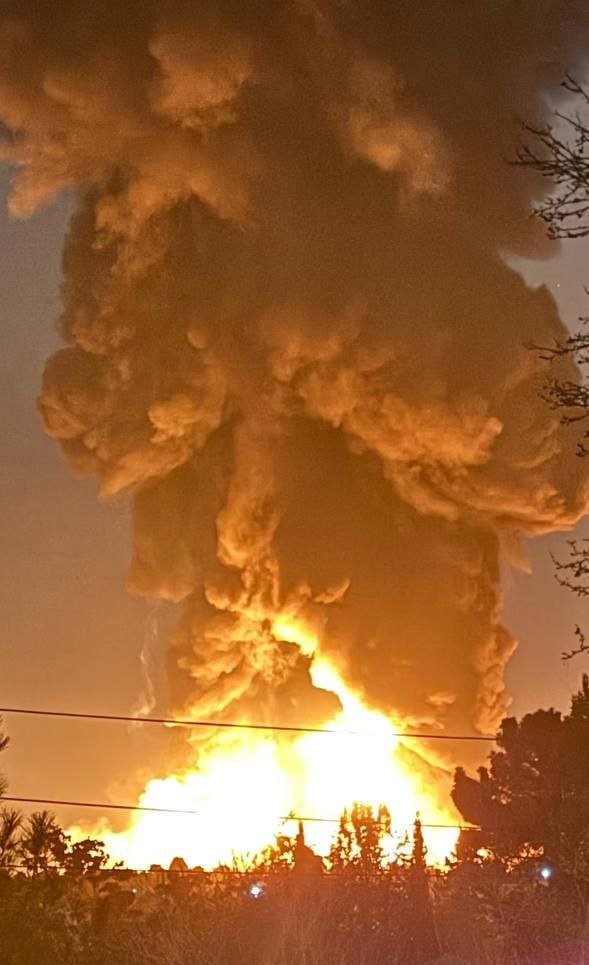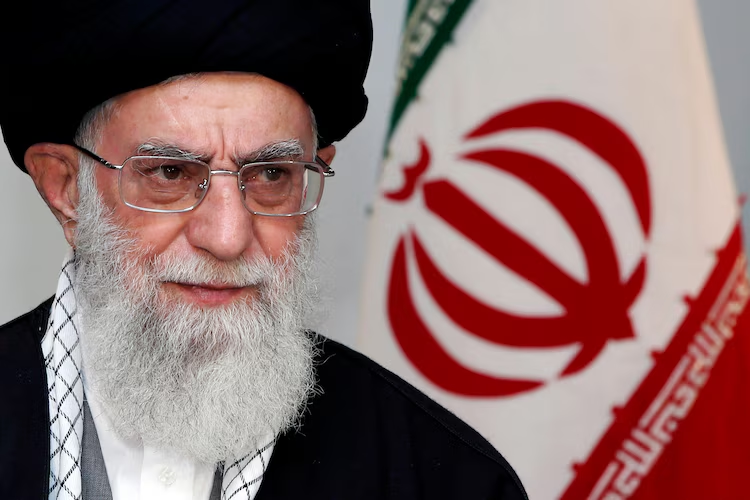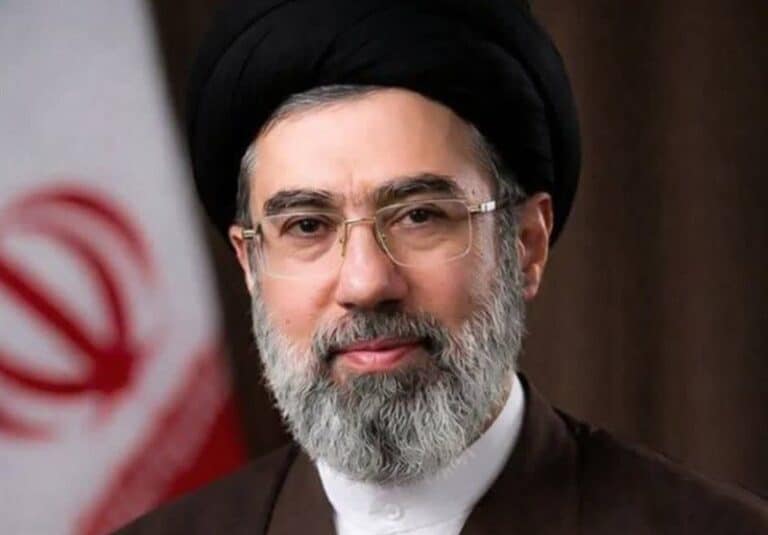
TEHRAN, Iran – The death of Ayatollah Ali Khamenei at the hands of a U.S.-Israeli strike during a tension of the current regional conflict, meant that the country had to make the biggest leadership decision in recent history, deciding on a replacement. The choice: the son of the late leader, Mojtaba Khamenei.
It was the Assembly of Experts (the supreme clerical body which chooses Iran’s next Supreme Leader) who voted in early March that Mojtaba Khamenei should succeed his father as Iran’s third supreme leader.
Before now he was considered to be a high-ranking cleric, working within the state, although never actually elected to an official role. He had established strong connections to the state’s security apparatus, the IRGC, and had accumulated significant influence, and access to his father’s ear throughout his long period as Supreme Leader.
Experts believe that during the time his father led, Mojtaba acted as a chief advisor and a gatekeeper, with this power being reflected in his ultimate succession. The father-to-son transfer of power has sparked controversy, as some say that despite Iran’s strong ideology against monarchies, the selection is no less dynastic than any monarchy.
Up until now there hasn’t been a significant address to the war by Mojtaba himself, though Iran’s leadership has reiterated that the nation will respond to attacks from Israel and the U.S.
Ayatollah Khamenei’s replacement urged Iran’s population to stay together in support of the new leader as the nation faces an ongoing war crisis. Allegiances have already been vowed their support to the new leader from both military and official bodies close to the IRGC, promising revenge against all foreign aggression towards the state. Experts largely expect Mojtaba to continue his father’s hard-line ideology, particularly in relations with the US and Israel.