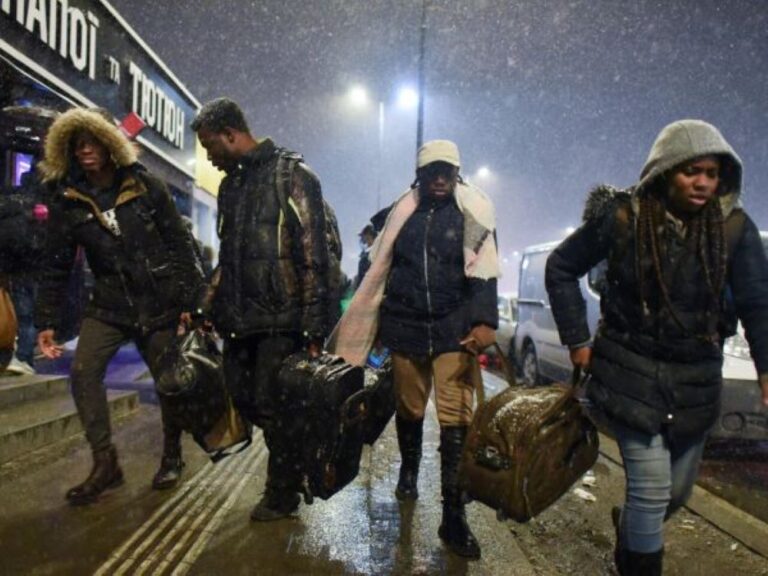
What is fast emerging as the largest African collective consular operation in ten years saw a wave of emergency evacuations across the continent on March 5 as the U.S.-Israel-Iran tensions were teetering on the brink of engulfing the continent.
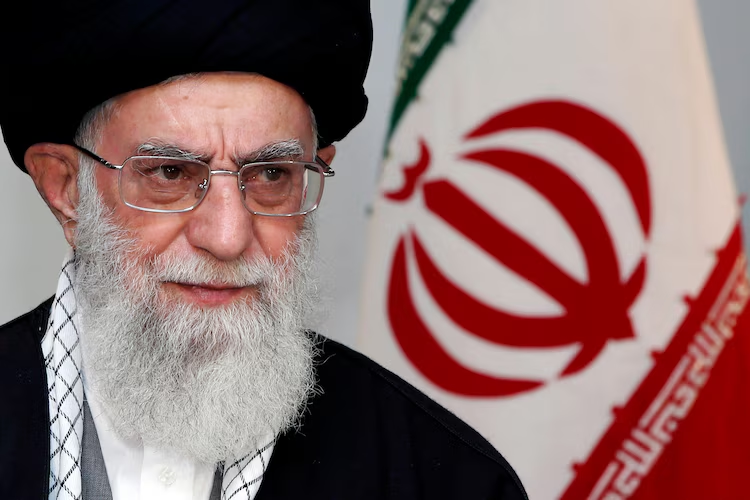
After the alleged death of Iranian Supreme Leader on February 28 and more than 1000 missiles being rained across the Gulf by Iran in retaliation, capitals across Africa decided against waiting any longer for a ceasefire.
According to warnings issued by the African Union (AU), this is not about ensuring the safety of individual citizens alone, but it’s about ensuring that some parts of the continent don’t face economic isolation from the rest of the world, as Mahmoud Ali Youssouf, AU Commission Chairperson said. He stated that major transit points like Doha and Dubai- where African airlines generally have their main operations center- were under threat.
“It’s a race against time,” noted one Addis Ababa based diplomat, “As airlines like Emirates and Qatar Airways cancel flights, the opportunity for civilian withdrawal is rapidly diminishing each hour.”
The bulk of the evacuees are blue-collar laborers and students, and unlike government officials, they cannot simply take off on their own to fly overseas without financial backing. African states will be pressured to fund ‘rescue charters,’ a challenge, considering the already burdened treasuries of a number of African countries facing inflation.