Physical Address
Delta Corner Tower,
Waiyaki Way, Westlands, Nairobi, Kenya.
Contact us:
Email: info@todaysw.com
Physical Address
Delta Corner Tower,
Waiyaki Way, Westlands, Nairobi, Kenya.
Contact us:
Email: info@todaysw.com
France may still be among the leading favourites for the 2026 FIFA World Cup, but their surprise 2-1 defeat to Ivory Coast has served as a reminder that reputation alone wins nothing once the referee blows the whistle.
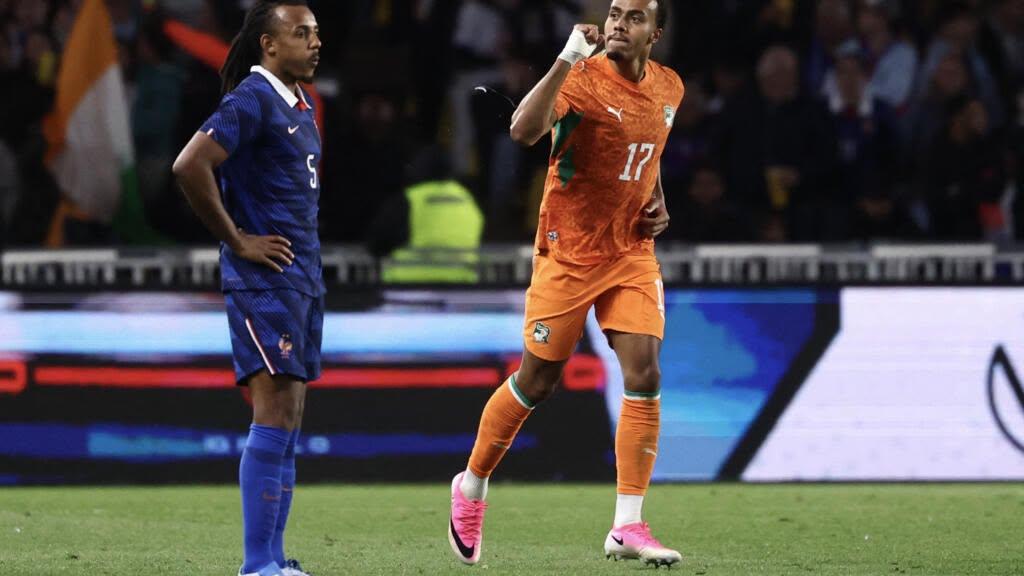
France may still be among the leading favourites for the 2026 FIFA World Cup, but their surprise 2-1 defeat to the Ivory Coast has served as a reminder that reputation alone wins nothing once the referee blows the whistle.
Twelve days before opening their World Cup campaign, Didier Deschamps‘ side walked onto the pitch carrying one of the strongest squads in international football.
This is a team featuring Ballon d’Or winner Ousmane Dembélé. A team packed with UEFA Champions League winners from Paris Saint-Germain. A team led by Kylian Mbappé, La Liga‘s top scorer and current European Golden Boot holder. A team that also boasts Michael Olise, one of Germany’s most productive attacking players, and Rayan Cherki, one of the Premier League’s leading creators.
On paper, France looked almost unbeatable, but on the field, Ivory Coast had other ideas.
After Cherki gave France the lead just before halftime, many expected the hosts to control the second half and close out another routine victory.
Instead, the Elephants delivered a lesson that every World Cup favourite should study carefully.
Guela Doue equalised in the 53rd minute after a brilliant pass from Nicolas Pépé before Amad Diallo struck six minutes from time to complete a memorable comeback victory.
The statistics suggested the result was no accident. Ivory Coast created more opportunities throughout the match and finished with a higher expected-goals figure than France. The African side looked sharper, hungrier and more determined to prove a point. That point should not be lost on France.
For years, Les Bleus have been football’s model tournament team. They won the World Cup in 2018, reached the final again in 2022 and are widely tipped to challenge for the trophy once more in North America.
But success can create a dangerous comfort zone. Every team arriving at the World Cup will be studying France. Every opponent will treat a match against Mbappé and company like a final. Every mistake will be punished more severely because expectations surrounding France are so high.
The greatest danger for favourites is often believing their own reputation. World Cups are filled with examples of heavily favoured teams falling before anyone expected. The tournament does not reward past achievements. It rewards the team that performs on the day.
France has enough talent to beat anyone in the competition; that is not the question. The question is whether they approach every match with the urgency and humility required to win seven games against opponents who have spent years dreaming of defeating them.
Football’s oldest lesson remains true. A match is not won because a team possesses the biggest stars. It is not won because of FIFA rankings. It is not won because of what happened four years ago.
A match ends only when the referee blows the final whistle. Ivory Coast reminded France of that reality in Nantes. The warning arrived before the World Cup. For Deschamps and his players, that may prove more valuable than another comfortable victory.