Physical Address
Delta Corner Tower,
Waiyaki Way, Westlands, Nairobi, Kenya.
Contact us:
Email: info@todaysw.com
Physical Address
Delta Corner Tower,
Waiyaki Way, Westlands, Nairobi, Kenya.
Contact us:
Email: info@todaysw.com
US–Iran talks collapsed after 21 hours without a deal, exposing deep divisions over nuclear limits and regional tensions, and raising fresh concerns about what comes next.
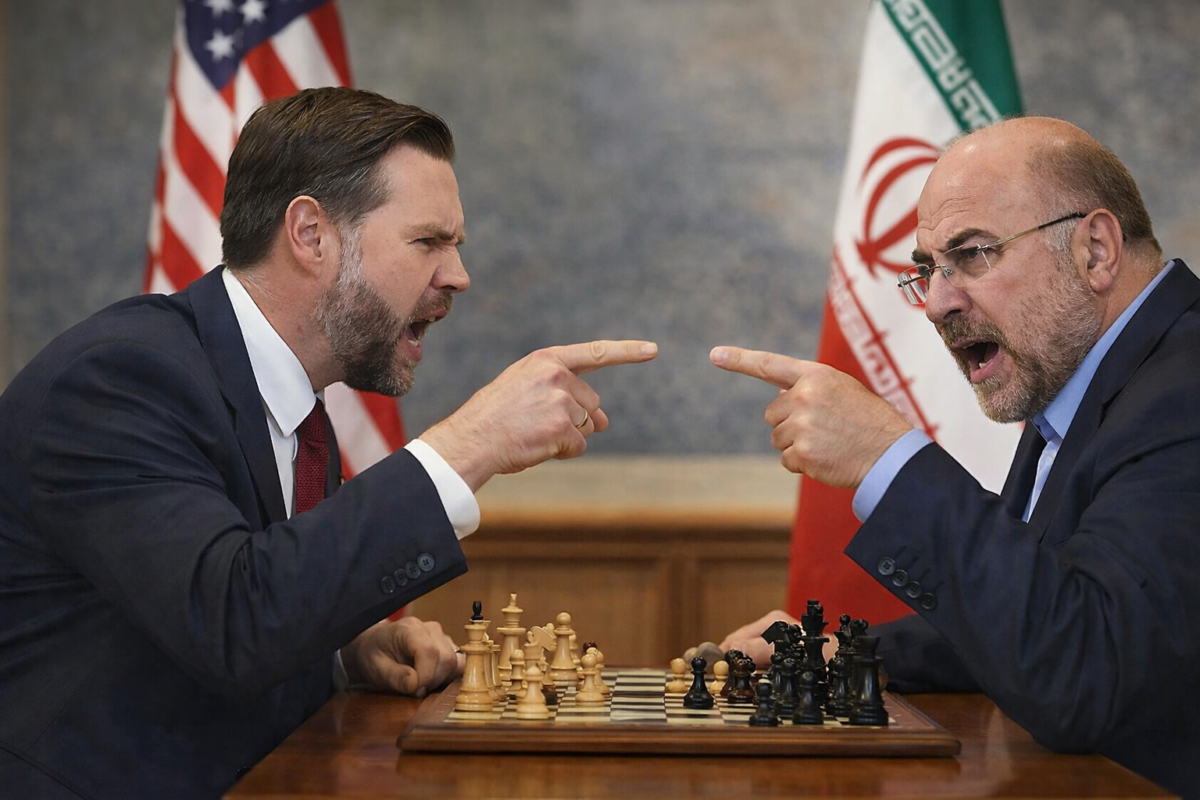
A 21-hour round of high-stakes negotiations between the United States and Iran has ended without a deal, raising fears of renewed conflict across the Middle East.
The talks, held in Islamabad, marked the highest-level direct engagement between United States and Iran in decades, aimed at stabilising a fragile ceasefire following weeks of fighting.
Led by US Vice President JD Vance and Iran’s Parliament Speaker Mohammad Bagher Ghalibaf, the negotiations stretched overnight but ended in a deadlock, with both sides unable to come into a common agreement.
At the core of the collapse were long-standing disputes over Iran’s nuclear program.
Washington demanded a firm commitment that Tehran would never pursue nuclear weapons, while Iran rejected restrictions on uranium enrichment, calling them unacceptable.
Other sticking points included:
Officials on both sides accused each other of making unrealistic demands, with the US describing its proposal as a “final offer,” and Iran insisting the terms ignored its sovereignty.
The immediate concern is the collapse of the ceasefire.
The current truce, already described as fragile, now faces uncertainty as both sides leave the table without even a partial agreement.
Analysts warn that any breakdown in the ceasefire could quickly pull in regional actors, especially given the ongoing tensions involving Israel.
Not entirely. Despite the failure, both sides left the door open for future talks, with Iran indicating that one round of negotiations was never expected to deliver a full agreement.
However, trust remains low, and positions are still far apart — a sign that any meaningful deal could take months, not days.
In the longer term, the failure reinforces a familiar pattern talks resume, stall, and restart while tensions simmer just below open conflict.
For now, the outcome leaves the region in a holding pattern: no deal, no clear path forward, and a ceasefire that could unravel at any moment.