Physical Address
Delta Corner Tower,
Waiyaki Way, Westlands, Nairobi, Kenya.
Contact us:
Email: info@todaysw.com
Physical Address
Delta Corner Tower,
Waiyaki Way, Westlands, Nairobi, Kenya.
Contact us:
Email: info@todaysw.com
Israel’s decision to bomb Qatar this week has sent shockwaves across the Middle East and beyond. The airstrike, which hit the capital Doha on September 9, was aimed at senior Hamas officials gathered there to discuss a ceasefire proposal.
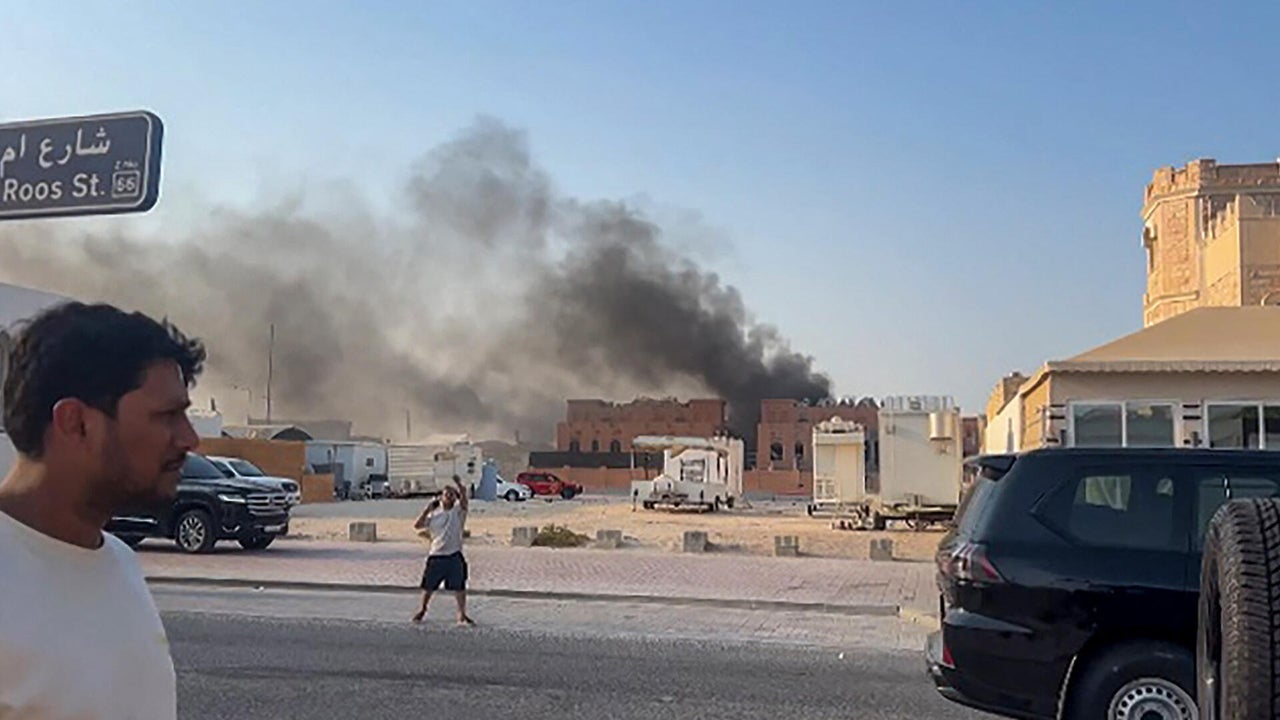
Instead of bringing Israel closer to peace, the move has drawn harsh criticism, damaged diplomatic trust, and placed a key mediator right in the crossfire.
Reports from Doha say at least six people were killed, including members of Hamas and a Qatari security guard. The fact that the strike took place while ceasefire talks were being held makes it even more controversial. Many see it not as an act of self-defense, but as a deliberate attempt to sabotage negotiations.
Qatar reacted with fury. Prime Minister Sheikh Mohammed bin Abdulrahman Al Thani called it “a violation of our sovereignty and a crime against peace.” He stressed that Qatar has been working tirelessly to mediate between Israel and Hamas, and accused Israel of punishing the very country that has been trying to stop the war. Across the Gulf, officials voiced similar outrage. The UAE and Saudi Arabia both condemned the strike, while Turkey’s president described it as “state terrorism in the guise of security.”
Even Israel’s closest allies were uneasy. Washington was reportedly caught off guard and is now scrambling to contain the fallout. A White House spokesperson said the U.S. was “deeply concerned” and warned that actions like this could make it nearly impossible to reach a deal. European leaders echoed those fears, with France calling the strike “reckless” and Britain urging Israel to “respect diplomatic spaces.”
Critics argue that by hitting Qatar, Israel crossed a dangerous line. International law is clear about respecting the sovereignty of other states, especially those not directly involved in the conflict. For decades, Doha has been viewed as neutral ground where opposing sides can at least talk. Bombing that space not only threatens Qatar’s safety, it undermines the very idea of mediation.
On the streets of Doha, anger was visible. Protesters gathered outside government buildings, carrying signs that read “Qatar is not your battlefield” and “Stop bombing peace.” For ordinary people, the fear is that this strike makes Qatar a new front in a war they never asked for.
Israel’s government defended the move, saying Hamas leaders were plotting new attacks and that Qatar should not offer them safe haven. Supporters of the strike argue that Hamas uses negotiations as cover, and that waiting only puts more Israeli lives at risk. Yet this defense has done little to calm the growing outrage.
The United Nations Security Council held an emergency session where member states, one after another, condemned the bombing. Russia and China called it an “act of aggression,” while even traditionally pro-Israel countries like Germany expressed disapproval. UN officials warned that the strike could derail any chances of securing a ceasefire or hostage release.
For many observers, the strike is less about military gain and more about political message. By hitting Hamas in Qatar, Israel signaled it will pursue its enemies wherever they are, regardless of borders or diplomatic settings. But the cost of that message may be enormous: a collapse of trust, growing isolation, and an even bloodier conflict.
The tragedy is that those who suffer most are not generals or politicians, but ordinary people. Families in Gaza still live under bombardment. Israeli hostages remain in fear. And now Qataris, once on the sidelines, have been dragged into the conflict in the worst possible way.
When countries begin to strike not only enemies but the very mediators trying to stop wars, diplomacy itself becomes a casualty. The bombing of Qatar may go down as one of those moments when the path to peace was not just blocked, but deliberately blown apart.