Physical Address
Delta Corner Tower,
Waiyaki Way, Westlands, Nairobi, Kenya.
Contact us:
Email: info@todaysw.com
Physical Address
Delta Corner Tower,
Waiyaki Way, Westlands, Nairobi, Kenya.
Contact us:
Email: info@todaysw.com
Youth activists outside the AU summit in Addis Ababa are protesting the "gerontocracy" of the union, citing that the world's youngest population is led by its oldest leaders.
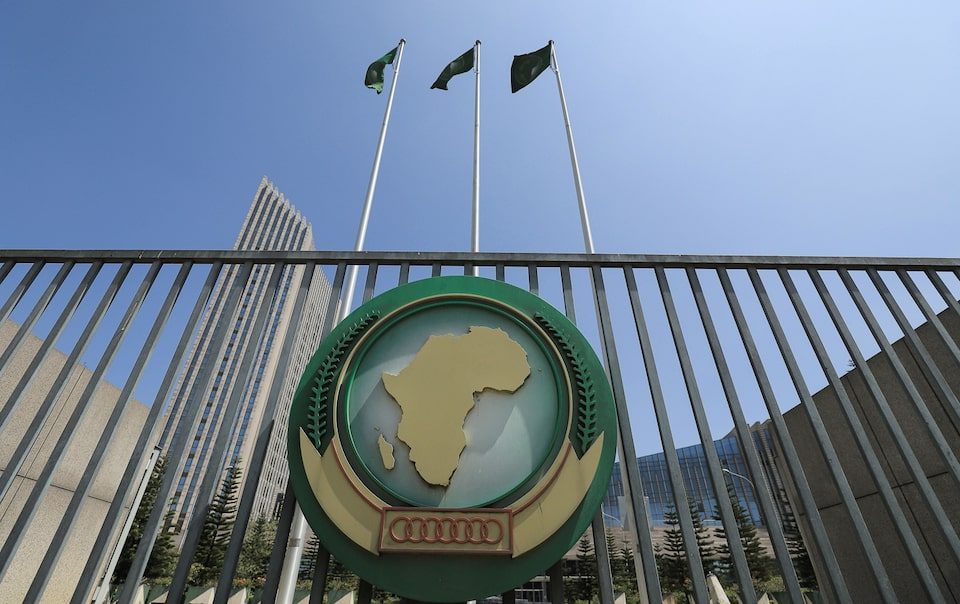
African youth across the continent are sharply criticizing the African Union this weekend as leaders gather for the 39th AU Summit in Addis Ababa, Ethiopia. The bloc’s annual meeting opened amid rising anger, especially on social media, where many young Africans accuse the organization of being a “bloc of old leaders” that ignores their needs and priorities.
Africa has the world’s youngest population more than 400 million people aged 15 to 35 even as some of its longest-serving presidents remain in power. That paradox contributes to growing frustration with the AU, which youth critics say has failed to tackle deep problems like coups, disputed elections and economic hardship.
While the summit’s official theme focuses on water and sanitation, debates and discussions are being overshadowed online by complaints that the AU is disconnected from everyday citizens. Analysts say the organization is seen as overly focused on governments and senior leaders rather than people, and that it frequently sides with incumbents in contested elections instead of pressing for democratic fairness.
One recent flashpoint has been the AU’s response to contested polls in countries like Uganda, where internet shutdowns and opposition suppression drew condemnation from youth activists. The AU’s initial public praise of the election process provoked outrage, with critics mocking the bloc as a “dictatorship club.”
Protesters elsewhere on the continent have pointed to broader structural issues, including weak enforcement of the AU’s own resolutions and a sense that leaders are insulated from the economic pain and insecurity affecting ordinary Africans. Observers note that rising military coups, falling living standards and diminished foreign aid are intensifying demands for accountability from young people.
Calls for reform are growing louder even as summit delegates navigate a packed agenda that includes climate change, humanitarian crises and shifting international alliances. Youth voices argue that unless the AU becomes more citizen-driven and responsive, its legitimacy will continue to erode among the continent’s fastest-growing demographic.
The organization’s leaders pressed ahead with discussions over the weekend, with few signs that protests by youth groups will abate.