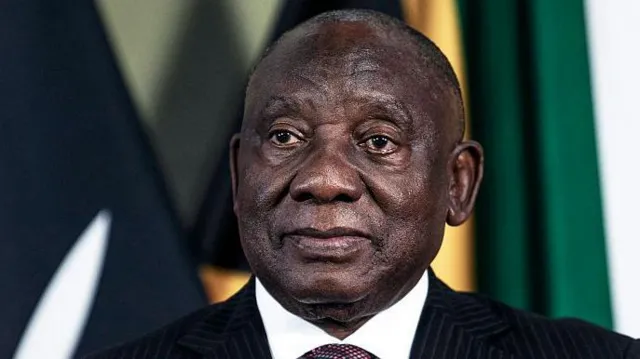
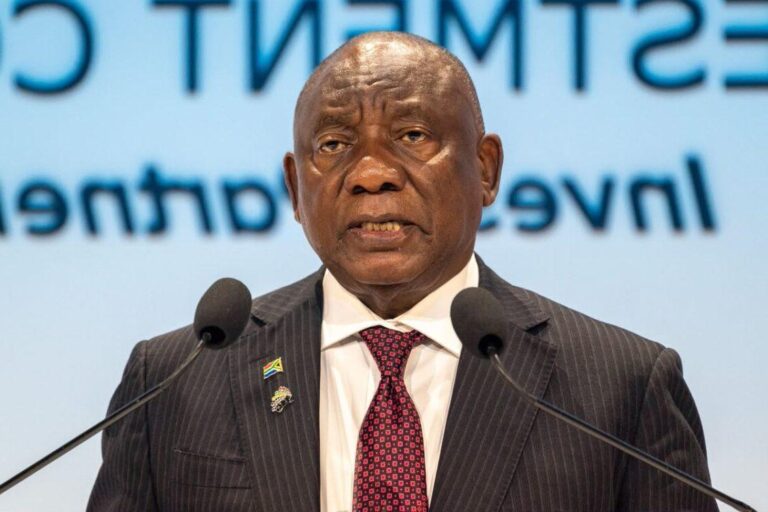
Namibia’s opposition parties have formed an unusual alliance to challenge a proposed oil bill backed by President Nangolo Mbumba, warning that the legislation could concentrate too much power in the executive and sideline parliamentary oversight.
The draft law informally dubbed the “Presidential Oil Bill” by critics seeks to restructure how Namibia manages its fast-growing petroleum sector following major offshore discoveries in the Orange Basin. Supporters say the reforms are necessary to streamline decision-making and position the country to capitalize on investor interest.
But opposition lawmakers argue the bill would expand presidential authority over licensing, contract approvals and revenue management, reducing transparency in a sector expected to generate billions in future earnings.
“This bill risks putting too much control in one office,” a senior opposition MP told local media, calling instead for stronger institutional checks and clearer safeguards around oil revenue.
Namibia has emerged as one of Africa’s most promising new oil frontiers after major discoveries by international energy companies in recent years. The finds have raised hopes of economic transformation in the sparsely populated southern African nation, but they have also sparked debate about governance, environmental protection and equitable wealth distribution.
Critics of the bill say it does not clearly define revenue-sharing mechanisms with local communities and lacks sufficient environmental accountability measures. Civil society groups have also called for broader public consultation before any final vote in parliament.
Government officials defend the proposed reforms, arguing they will reduce bureaucratic delays and make Namibia more competitive globally. They say the presidency’s enhanced coordinating role is meant to ensure efficiency rather than weaken oversight.
The dispute has intensified political tensions in Namibia, where oil policy is quickly becoming a defining national issue ahead of upcoming political cycles. Analysts note that the emerging opposition coalition though diverse in ideology reflects shared concern about how the country’s oil wealth will be governed.
Parliament is expected to debate the bill in the coming weeks, with amendments likely as negotiations continue between the ruling party and opposition bloc.