Physical Address
Delta Corner Tower,
Waiyaki Way, Westlands, Nairobi, Kenya.
Contact us:
Email: info@todaysw.com
Physical Address
Delta Corner Tower,
Waiyaki Way, Westlands, Nairobi, Kenya.
Contact us:
Email: info@todaysw.com
Despite political risks, major international energy firms have signed new licensing deals for oil exploration in Libya for 2026. Experts say the move shows a global shift toward risk-tolerant investing in North Africa’s massive reserves.
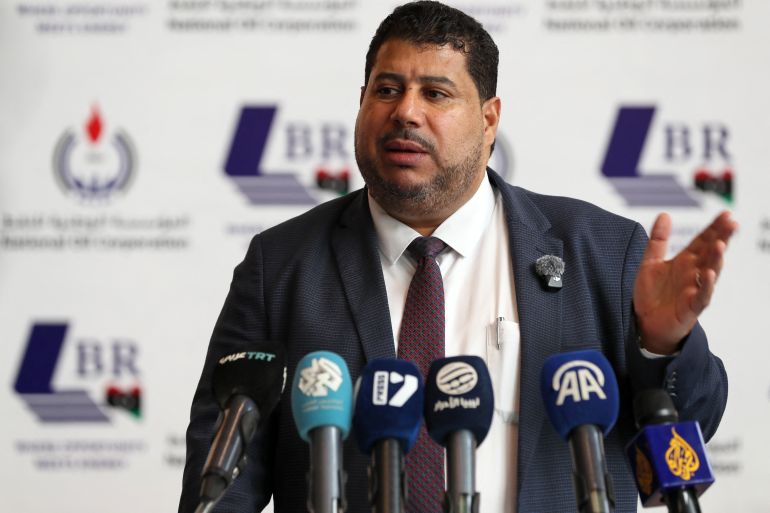
In a striking show of confidence in North Africa’s vast hydrocarbon potential, several major international energy companies have signed new licensing agreements for oil exploration in Libya, marking a significant revival of foreign investment despite persistent political uncertainty in the country. Libya’s state-owned National Oil Corporation (NOC) announced the results of its first licensing round in nearly two decades, awarding exploration blocks to global firms and signaling a shift towards risk-tolerant investing in the region’s oil sector.
The 2026 bid round — the first since 2007 saw international players such as Chevron, Eni, QatarEnergy, Repsol, MOL Group and Nigeria’s Aiteo secure exploration and production rights across onshore and offshore blocks in prolific basins, including Libya’s Sirte and Murzuq regions.
Chevron clinched the Sirte S4 onshore license, marking the U.S. oil giant’s return to Libya’s energy landscape after years away, while a consortium led by Italy’s Eni and QatarEnergy obtained the O1 offshore block in the Mediterranean Sirte Basin — a region known for substantial hydrocarbon reserves. Another consortium featuring Spain’s Repsol, Türkiye’s TPAO and Hungary’s MOL Group won rights to explore the O7 offshore block, expanding international participation in Libya’s Deepwater opportunities.
NOC Chairman Masoud Suleman described the awards as a crucial step toward reviving Libya’s oil industry, which has endured years of underinvestment and intermittent conflict since the 2011 fall of longtime leader Muammar Gaddafi. He said the licensing round reflects a “return of trust and resuming institutional work” in one of Africa’s most important energy sectors, even as rival administrations and ongoing political fragmentation continue to complicate governance.
Libya holds some of Africa’s largest proven oil reserves, and the new exploration deals come against the backdrop of broader efforts to increase production and boost export capacity. The NOC has set ambitious goals to raise daily output toward levels not seen in years, with recent long-term development agreements including a 25-year US$20 billion deal with TotalEnergies and ConocoPhillips — designed to expand capacity and attract further investment.
Analysts say the recent licensing round suggests a global trend toward risk-tolerant investing, with energy firms willing to engage in markets long considered risky due to political instability and institutional challenges. They note that improvements to contract terms including more investor-friendly fiscal arrangements and streamlined profit-sharing mechanisms — have helped attract bidders, even if overall participation was smaller than initially expected.
Energy consultants point out that Libya’s potential remains a powerful lure for major oil companies seeking new frontiers amid tightening global supplies and rising demand. The licensing round offered 22 blocks a mix of onshore and offshore acreage though some areas did not attract bids, highlighting lingering concerns about security and operational risks.
For companies like QatarEnergy and Eni, the partnerships represent opportunities to expand their upstream portfolios and leverage Libya’s geological promise. “We are pleased to have been awarded exploration rights in this area and look forward to working closely with Libyan authorities to ensure the successful execution of the exploration programme,” said Saad Sherida Al-Kaabi, QatarEnergy’s President and CEO, after securing rights to the offshore block.
While political risk remains high and governance challenges persist, the recent licensing deals reflect an evolving calculus among global investors: the reward of tapping into Libya’s enormous reserves outweighs the risk for firms willing to navigate a complex geopolitical landscape. How these exploration efforts translate into production increases and economic gains will depend on sustained engagement, security improvements and continued reforms in Libya’s energy sector.