Physical Address
Delta Corner Tower,
Waiyaki Way, Westlands, Nairobi, Kenya.
Contact us:
Email: info@todaysw.com
Physical Address
Delta Corner Tower,
Waiyaki Way, Westlands, Nairobi, Kenya.
Contact us:
Email: info@todaysw.com
The Kenyan Ministry of Tourism and Egypt have signed a deal to swap expertise. Kenya will teach Egypt about wildlife conservation and "safari mastery," while Egypt will train Kenyan personnel in "cultural heritage tourism" and world-class hospitality.
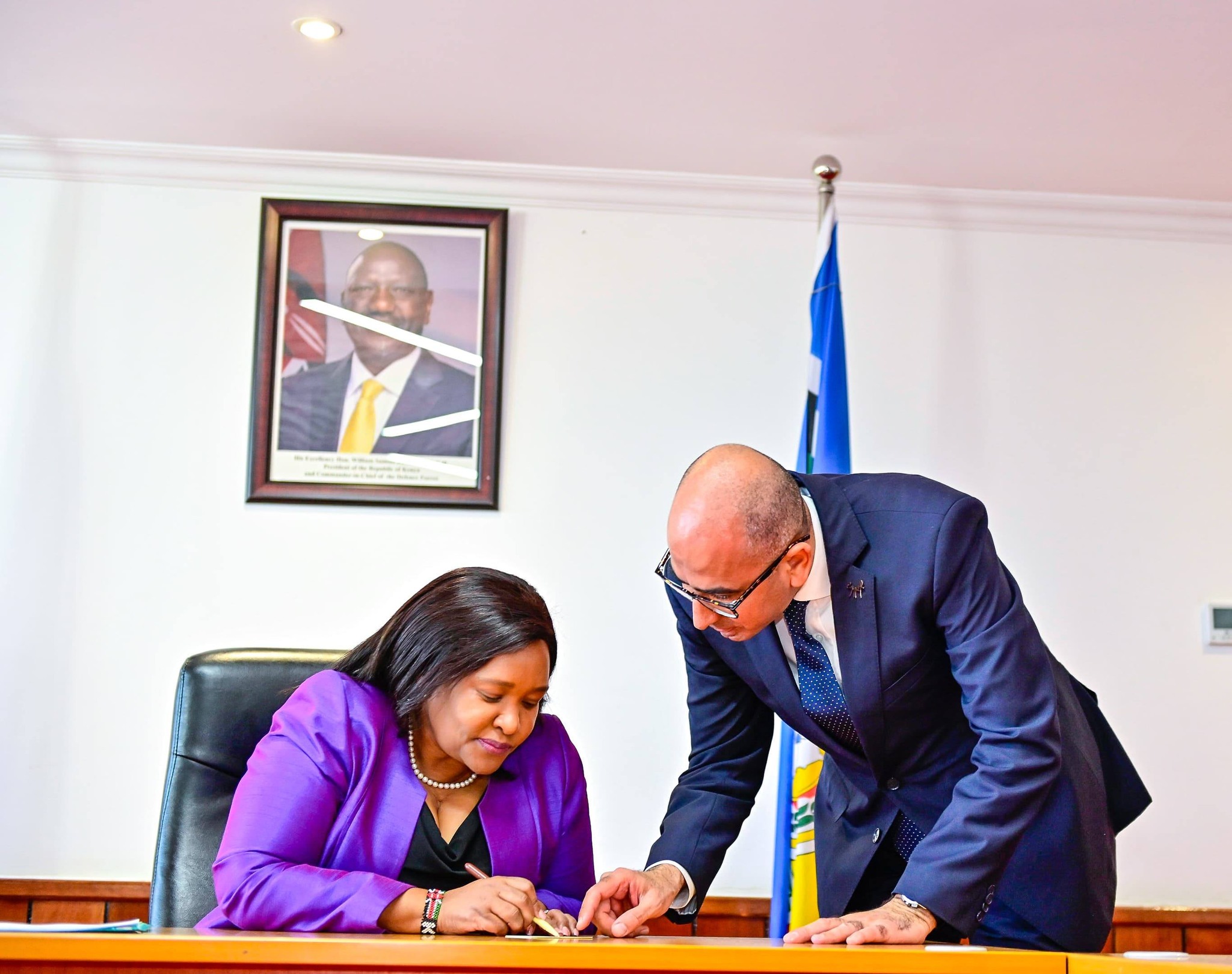
The Kenyan Ministry of Tourism and Wildlife and the Arab Republic of Egypt have signed a memorandum of understanding (MOU) to swap expertise in key areas of the tourism sector, aiming to strengthen both countries’ global competitiveness and diversify their tourism offerings. The agreement was formalized on Thursday in Nairobi during talks between Kenya’s Principal Secretary John Ololtuaa and Egypt’s Ambassador H.E. Hatem Yousri Hosni.
Under the deal, Kenya will share knowledge and best practices in wildlife conservation and safari tourism mastery fields in which the East African nation is globally recognized while Egypt will provide training for Kenyan personnel in cultural heritage tourism and world-class hospitality standards. The collaboration reflects a growing recognition of the economic and cultural value of linking natural and cultural tourism sectors.
Kenya’s wildlife sector, anchored by iconic destinations such as the Maasai Mara and Amboseli national parks, attracts millions of visitors each year and supports local conservation initiatives through community-based conservancies. The ministry’s tourism blueprint emphasises sustainable wildlife protection and the expansion of visitor experiences, aligning with broader national goals to diversify tourism beyond traditional safari products.
Egypt, for its part, brings decades of experience in cultural heritage tourism, with famous attractions such as the Pyramids of Giza, the Grand Egyptian Museum and Nile River cruises drawing global interest. Officials from Cairo highlighted the value of structured hospitality training and service excellence, which they say enhances visitor satisfaction and encourages longer stays and repeat visits.
The MOU outlines joint initiatives including exchange programmes, workshops and specialised training courses designed to build capacity across both tourism workforces. Kenya plans to embed lessons from Egypt’s cultural tourism marketing into its outreach strategies, while Egypt intends to adopt Kenyan practices in wildlife interpretation and safari tourism operations.
Tourism leaders in Nairobi welcomed the partnership as a win-win for both countries’ travel industries, noting that cooperation could help create jobs, attract new markets and enhance the overall quality of tourism products. The exchange also underscores the importance of bilateral ties in supporting economic growth through sustainable travel and cultural exchange.
Both ministries said they would work with private sector partners to implement the agreement and monitor progress, with plans to revisit joint initiatives at future tourism forums. Stakeholders hope the collaboration will set a precedent for other African and Middle Eastern partnerships that leverage complementary strengths in culture, conservation and hospitality.