Physical Address
Delta Corner Tower,
Waiyaki Way, Westlands, Nairobi, Kenya.
Contact us:
Email: info@todaysw.com
Physical Address
Delta Corner Tower,
Waiyaki Way, Westlands, Nairobi, Kenya.
Contact us:
Email: info@todaysw.com
Tanzania’s Prime Minister Dr Mwigulu Nchemba used a major health anniversary event to urge African nations to unite in the fight against cancer and strengthen continental health systems, saying shared action and cooperation are needed to tackle rising cancer burdens across the continent.
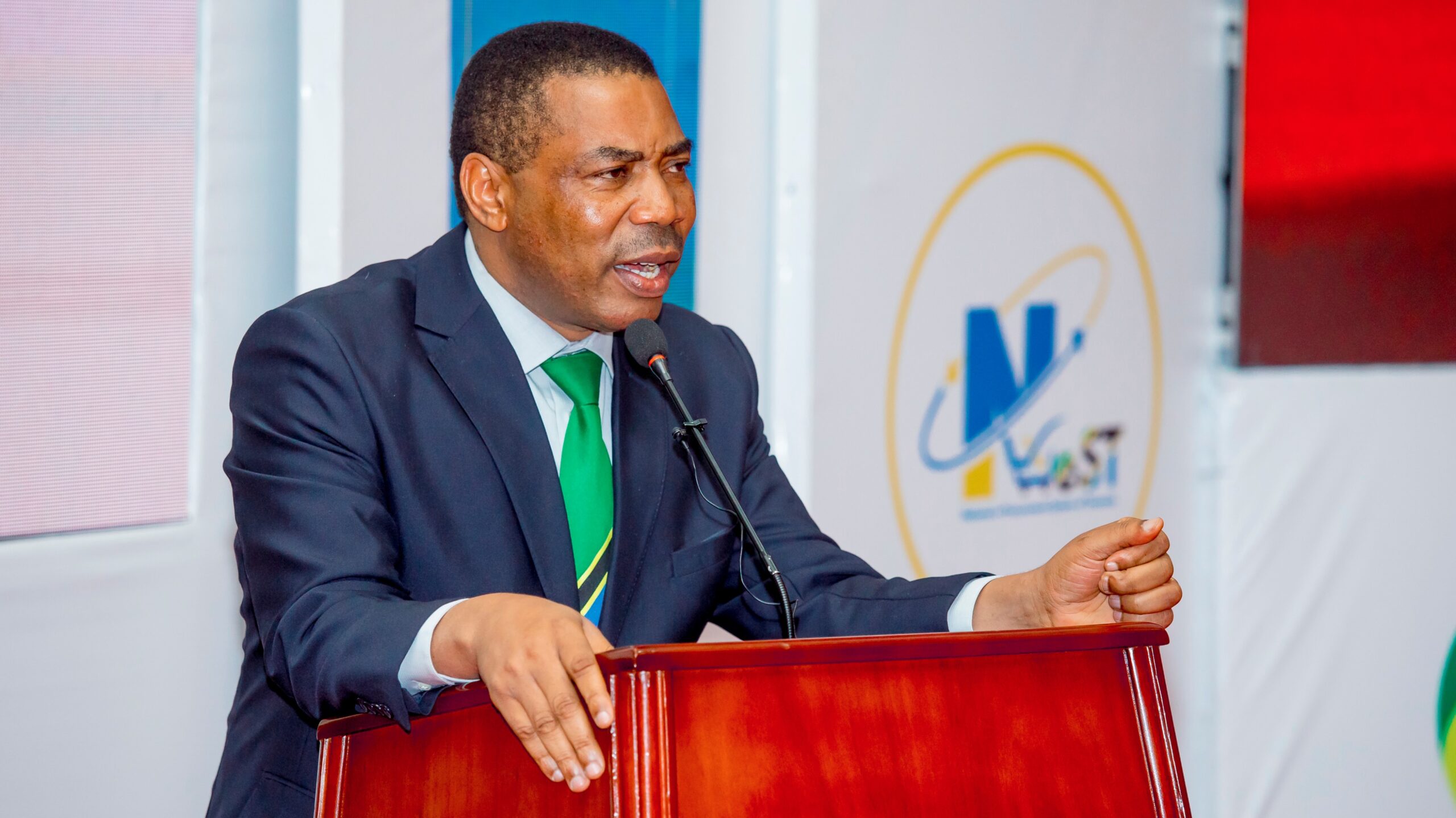
Speaking at the 30th anniversary celebration of the Ocean Road Cancer Institute in Dar es Salaam, Nchemba, representing President Samia Suluhu Hassan highlighted the urgent need for enhanced African leadership on non-communicable diseases, particularly cancer, which remains a growing public health challenge across Africa. The institute, Tanzania’s sole specialized cancer care facility, treats tens of thousands of patients annually and has become a focal point for efforts to expand access to screening, treatment and palliative care.
“Cancer respects no borders, and neither should our response,” Nchemba said in remarks to health officials, international partners and cancer survivors. He emphasised that African nations must work together to improve early detection, pool resources and build resilient health systems that can sustainably address cancer’s rising toll.
Health experts say cancer cases in Africa including Tanzania, are expected to continue rising unless detection, treatment and specialized care are dramatically scaled up. Late-stage diagnosis and limited access to oncology services contribute to high mortality rates across the region, and cancer specialists have warned that deaths could double in coming years without improved infrastructure and workforce capacity.
Nchemba’s comments come amid broader efforts by Tanzanian authorities to expand cancer care and strengthen regional cooperation. The Ocean Road Cancer Institute provides a range of services, from diagnosis and chemotherapy to radiotherapy and outreach programmes, serving more than 50,000 patients annually, including cancer screening for thousands more.
Tanzania is also positioning itself as a regional hub for oncology treatment, with investments in facilities like the Benjamin Mkapa Hospital’s new cancer center in Dodoma, which is expected to offer advanced radiotherapy and comprehensive cancer care. International bodies like the International Atomic Energy Agency have praised these efforts and urged continued collaboration to support training, infrastructure and patient access.
During his speech, the prime minister underscored the need for African-led strategies and shared financing models to reduce dependency on external aid and strengthen health sovereignty, reflecting calls for sustainable resource mobilization for public health challenges continent-wide. Nchemba said that uniting on cancer responses from prevention and early detection to treatment and palliative care will require political commitment from governments, partnerships with civil society and engagement with the private sector.
Cancer advocacy groups attending the event welcomed the prime minister’s remarks, saying leadership at the highest levels is crucial to shift public awareness and policy focus in Africa’s fight against non-communicable diseases. They also noted the importance of community outreach and education to encourage early screening and reduce stigma around cancer diagnoses.
Tanzania’s push for a unified African front against cancer aligns with broader regional health cooperation initiatives aimed at improving capacity, expanding access to essential services and building resilient systems capable of responding to both communicable and non-communicable diseases.