Physical Address
Delta Corner Tower,
Waiyaki Way, Westlands, Nairobi, Kenya.
Contact us:
Email: info@todaysw.com
Physical Address
Delta Corner Tower,
Waiyaki Way, Westlands, Nairobi, Kenya.
Contact us:
Email: info@todaysw.com
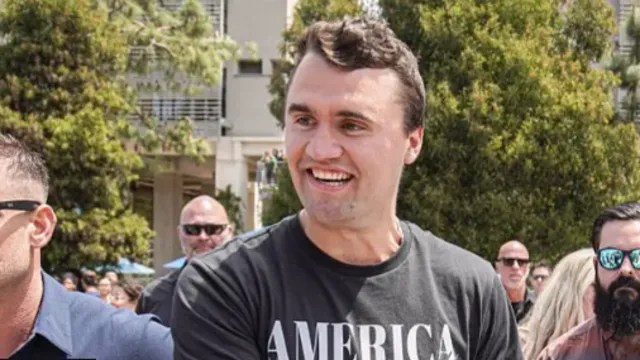
Conservative activist Charlie Kirk, founder of Turning Point USA and a familiar figure in American right-wing politics, was shot dead while speaking at Utah Valley University. The incident happened during his “American Comeback Tour,” where he had been addressing students and the public. Witnesses said a single bullet struck him in the neck, fired from a rooftop nearly two hundred yards away. He was rushed to hospital but later died. Police recovered a rifle believed to have been used in the attack and continue to search for the shooter, who has not yet been identified.
The killing is being widely described as an assassination rather than an act of random violence. The fact that the shot was delivered with precision from an elevated position suggests planning, not accident. Local officials, including the Utah governor, called it a political assassination. The FBI and state authorities have joined the investigation, which only fuels speculation that Kirk was targeted deliberately because of his profile and controversial activism.
Kirk was a polarizing figure, and his death has drawn mixed reactions. Many politicians and commentators, even those who opposed his politics, condemned the shooting as an unacceptable escalation of political violence. But on social media, some people openly expressed satisfaction, pointing to Kirk’s positions on LGBTQ rights, his role in spreading election fraud claims, and his broader association with Christian nationalism. For those who viewed him as a symbol of division, his death has been framed as poetic justice. Others, nonetheless, see such reactions as proof of how toxic and dangerous political discourse has become, where opponents can no longer be mourned as human beings.
The killing also reignited discussions about the role of social media in fueling political extremism. Some critics have singled out Elon Musk, not because of any evidence linking him directly to the shooting, but because of the way his platform has been accused of tolerating or amplifying radical speech and conspiracy theories. In the eyes of these critics, the online environment creates conditions where political assassinations become more likely, and Musk, as one of the most visible tech leaders, is often cast as a symbol of that environment. His defenders argue this is an unfair association, but the criticism reflects a growing tendency to hold platforms responsible for the ripple effects of the discourse they allow.
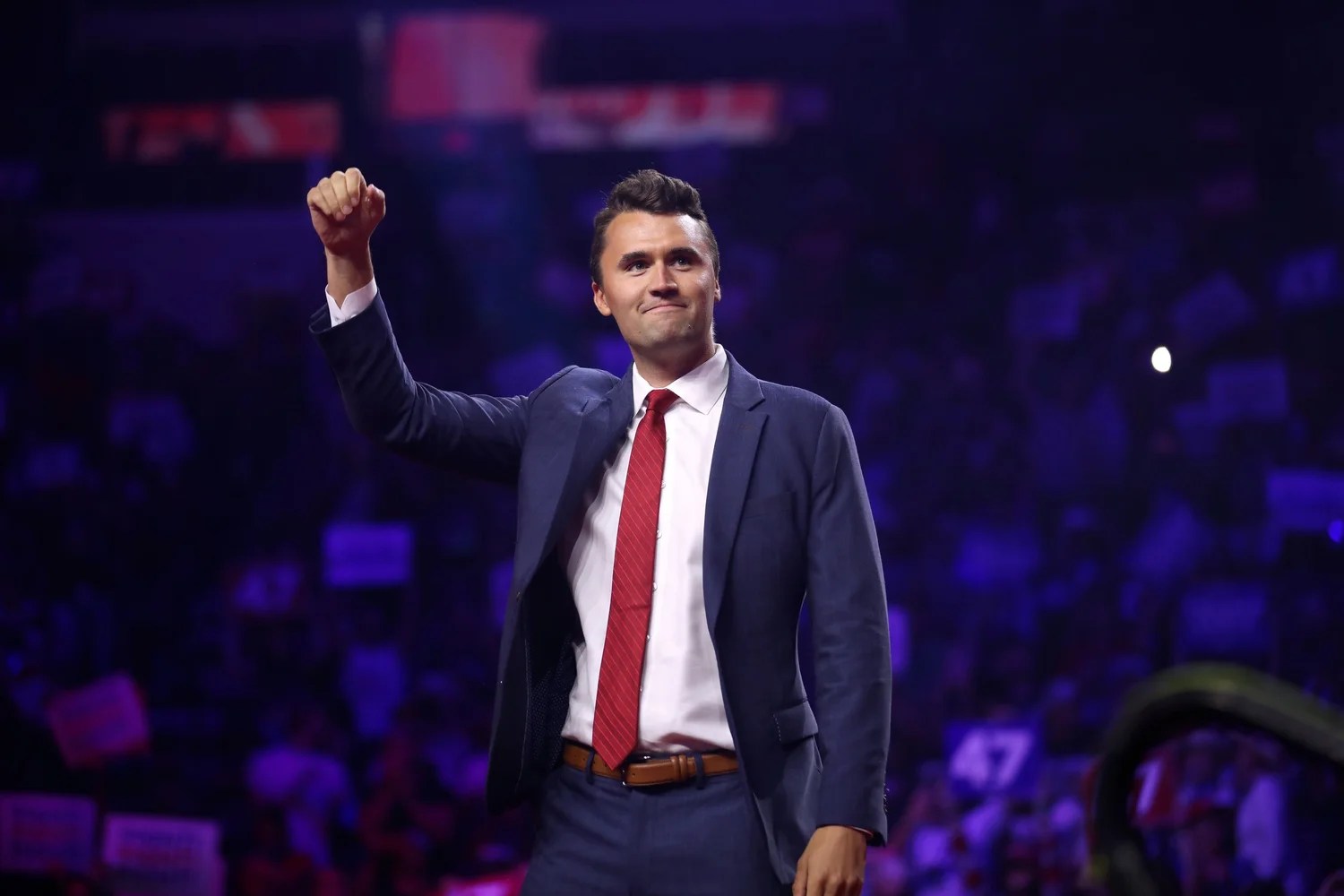
What remains uncertain are the precise motives of the shooter and how security couldn’t prevent a rooftop attack during a high-profile political event. For now, Kirk’s death stands as one of the most shocking acts of political violence in recent U.S. history, a reminder of just how inflamed and divided the political climate has become.