Physical Address
Delta Corner Tower,
Waiyaki Way, Westlands, Nairobi, Kenya.
Contact us:
Email: info@todaysw.com
Physical Address
Delta Corner Tower,
Waiyaki Way, Westlands, Nairobi, Kenya.
Contact us:
Email: info@todaysw.com
The Republican-controlled House voted 219-211 to end the "national emergency" used to justify tariffs on Canada. While largely symbolic given Trump's likely veto, it signals growing internal GOP tension over rising costs for American families.
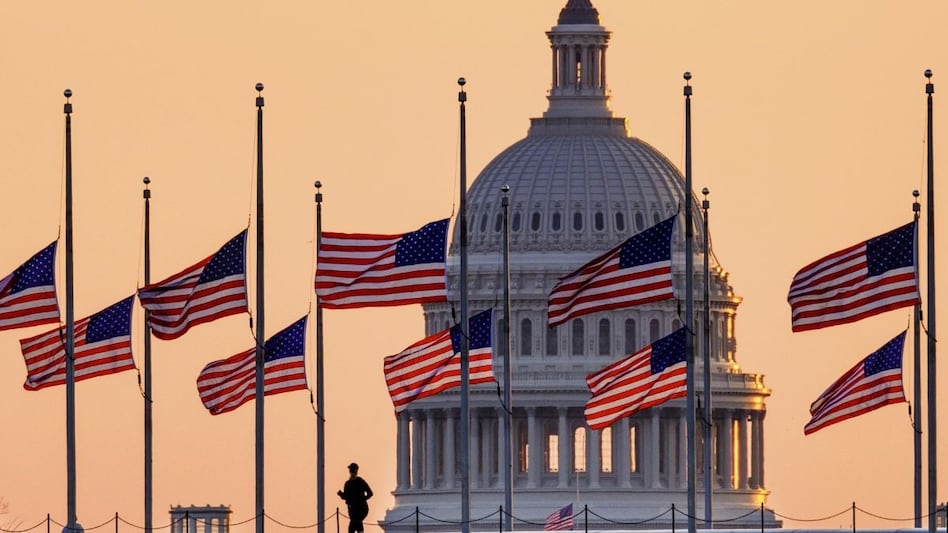
In a rare bipartisan rebuke, the Republican-controlled U.S. House of Representatives voted 219-211 to end the “national emergency” President Donald Trump used to justify steep tariffs on Canadian imports, signaling growing GOP unease over rising costs for American families and pressure on trade partners.
The resolution approved Wednesday targets the emergency declaration Trump invoked in February 2025 to impose punitive tariffs on Canadian goods, a policy that raised duties as high as 35% and drew sharp criticism from businesses, economists and lawmakers on both sides of the aisle. Six Republicans joined nearly all Democrats in backing the measure, a rare split in a chamber led by Trump’s own party.
Supporters framed the vote as a stand against unchecked executive power and rising consumer prices. Representative Gregory Meeks, the top Democrat on the House Foreign Affairs Committee and author of the resolution, argued Congress must reclaim its constitutional authority over trade policy. He pointed to growing economic strain on American households and companies engaged in cross-border commerce.
“Today’s vote is simple: lower the cost of living for American families,” Meeks said on the House floor, echoing concerns that tariffs on Canada had raised prices on everyday goods and disrupted supply chains.
Republicans who crossed party lines cited similar frustrations. Representative Don Bacon (R-Neb.), one of the defectors, said Congress should assert its role rather than defer to unilateral presidential action.
The vote also highlighted internal tension within the GOP leadership. House Speaker Mike Johnson and other Trump allies had tried to delay the challenge by holding up procedural moves and urging colleagues to wait for a pending Supreme Court ruling on the legal basis for the tariffs. Those efforts failed as Republicans defected and the resolution moved forward.
Trump’s response was swift and pointed. On social media, the former president warned Republicans that opposing his trade policies would carry “serious consequences come Election time,” a threat aimed at deterring further dissent within his party.
Despite the symbolic impact of the House vote, the resolution faces steep hurdles before it could change policy. It must pass the Senate and then reach Trump’s desk, where he is expected to veto it. Overriding a presidential veto would require two-thirds majorities in both chambers a threshold that appears out of reach given continued GOP support for the tariffs.
The vote follows a series of congressional clashes over Trump’s tariff strategy. In recent months, the Senate twice voted to block the Canada tariffs, reflecting persistent unease even among Republican lawmakers about using national emergency powers for trade policy.
Canada, one of the United States’ closest trading partners, has criticized the tariffs and retaliated with its own levies, straining economic and diplomatic ties. Businesses on both sides of the border have voiced concerns that the ongoing trade conflict harms manufacturers, farmers and consumers.
With midterm elections approaching, the House vote marks a notable crack in Republican unity over Trump-era economic policies and underscores widening frustration among lawmakers representing districts sensitive to trade costs and inflation.