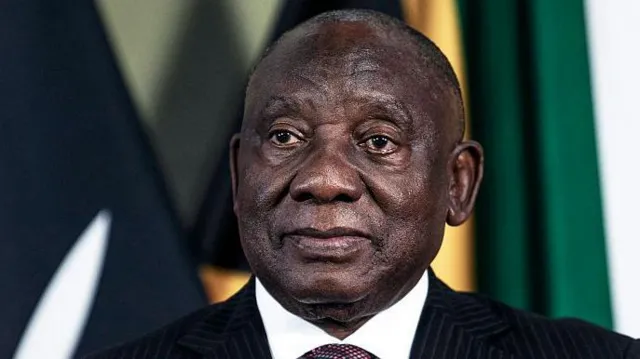
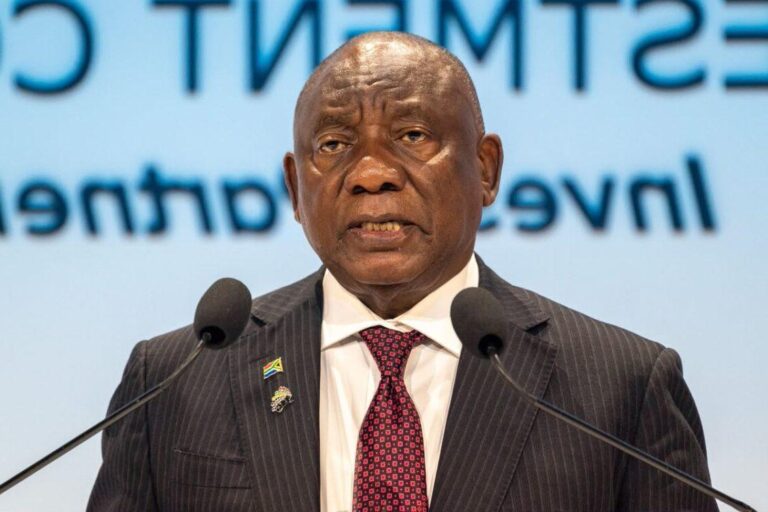
Justice Minister Ziyambi Ziyambi said after the cabinet session that the draft bill will be gazetted and sent to the speaker of parliament, where it will undergo the constitutional process before being debated by lawmakers. Under the amendments, a seven-year presidential term would permit Mnangagwa, 83, to remain in office two more years beyond his current end-date of 2028, when his second five-year term is constitutionally due to expire.
The draft legislation also seeks to reform the broader political system. It would extend parliamentary terms and allow the president to appoint additional senators, boosting the Senate’s size. Justice Ziyambi said the proposals aim to “enhance political stability and policy continuity” by reducing the disruptive cycle of frequent elections and facilitating long-term development planning.
The cabinet’s approval follows months of internal debate within the ruling Zimbabwe African National Union-Patriotic Front (ZANU-PF). In late 2025, ZANU-PF delegates adopted a resolution to pursue a term extension to 2030, instructing party leaders to initiate the necessary constitutional amendments. Critics say the move is part of a broader “2030 agenda” for the president’s extended rule.
Opposition leaders and civil society groups have condemned the proposal, saying major constitutional changes that could extend a sitting president’s stay in office should be subject to a national referendum rather than handled solely by parliament. They argue that only a public vote can confer legitimacy on amendments affecting the fundamental structure of Zimbabwe’s political system.
Zimbabwe’s parliament is dominated by ZANU-PF, giving the party a strong advantage in steering the bill through the legislature once it is formally introduced. But legal experts and activists have signalled that constitutional challenges are likely, and some have already begun preparing appeals to the Constitutional Court to contest the process on procedural grounds.
The recent cabinet endorsement has reignited political tensions in the country, with opposition figures vowing to oppose changes they see as undermining direct democracy. Police have previously intervened to disperse planned protests against constitutional amendments, leading to arrests and criticism from rights groups.
As Zimbabwe prepares for the next stages of the legislative process, the debate over Mnangagwa’s future in office underscores deep divisions over the country’s democratic direction and the balance between political continuity and popular choice.