Physical Address
Delta Corner Tower,
Waiyaki Way, Westlands, Nairobi, Kenya.
Contact us:
Email: info@todaysw.com
Physical Address
Delta Corner Tower,
Waiyaki Way, Westlands, Nairobi, Kenya.
Contact us:
Email: info@todaysw.com
Following intense public criticism over the government's handling of recent catastrophic floods, Portugal’s Interior Minister has officially stepped down. The floods have caused widespread damage and raised questions about urban climate resilience.

Portugal’s Interior Minister, Maria Lúcia Amaral, has resigned amid intense public criticism of the government’s handling of a recent series of storms and floods that caused widespread destruction and raised urgent questions about the country’s climate resilience and disaster preparedness.
Amaral announced her resignation late Tuesday, saying she no longer had the “personal and political conditions necessary” to continue in office. President Marcelo Rebelo de Sousa accepted the resignation at the request of Prime Minister Luís Montenegro, who will temporarily take on the interior portfolio.
The move comes after weeks of severe winter weather including Storm Kristin and subsequent systems that brought heavy rains, flooding, landslides and infrastructure damage across large swaths of the country. The storms have claimed at least seven lives and inflicted an estimated €4 billion in economic damage, prompting accusations that authorities were slow to respond.
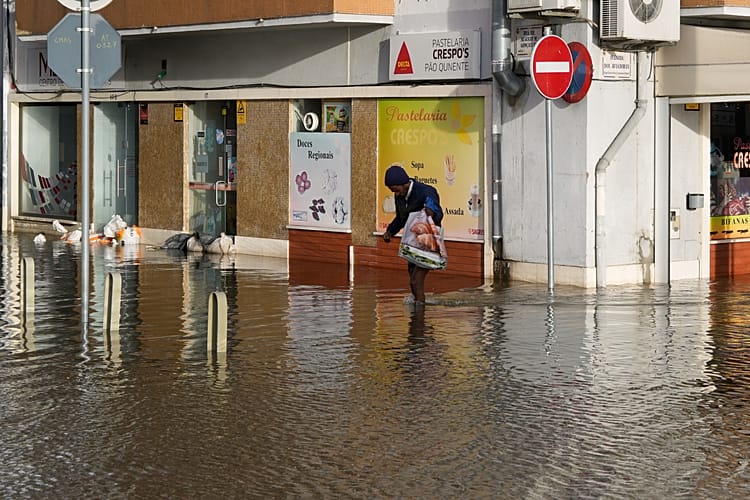
Opposition leaders sharply criticised the government’s response, arguing that emergency planning and early warning systems were inadequate given the scale of the floods and their impact on urban and rural communities. José Luís Carneiro, Secretary-General of the Socialist Party, called the resignation “proof that the government has failed in its response to this emergency.”
Thousands of residents were displaced or forced to evacuate as rivers overflowed and floodwaters inundated towns. Emergency services struggled to reach affected areas, and calls for improved climate adaptation measures have grown louder in the wake of the storms. Experts have linked the increasing frequency and intensity of such extreme weather events to broader trends in climate change, which are pushing urban resilience systems to the limit.
Amaral’s departure marks the first ministerial resignation in Prime Minister Montenegro’s centre-right government since it took office last year, underlining the political cost of high-profile disaster response failures. Public debate now centres on how Portugal will strengthen its readiness and infrastructure to cope with future climate-related disasters as the country continues to recover from the recent flooding.