Physical Address
Delta Corner Tower,
Waiyaki Way, Westlands, Nairobi, Kenya.
Contact us:
Email: info@todaysw.com
Physical Address
Delta Corner Tower,
Waiyaki Way, Westlands, Nairobi, Kenya.
Contact us:
Email: info@todaysw.com
The United Nations has launched a massive funding appeal to address the escalating humanitarian crisis in the Democratic Republic of Congo. With over 7 million people displaced by ongoing conflict, the UN warns that without immediate funding, life-saving aid for food and medicine will run out by mid-year.
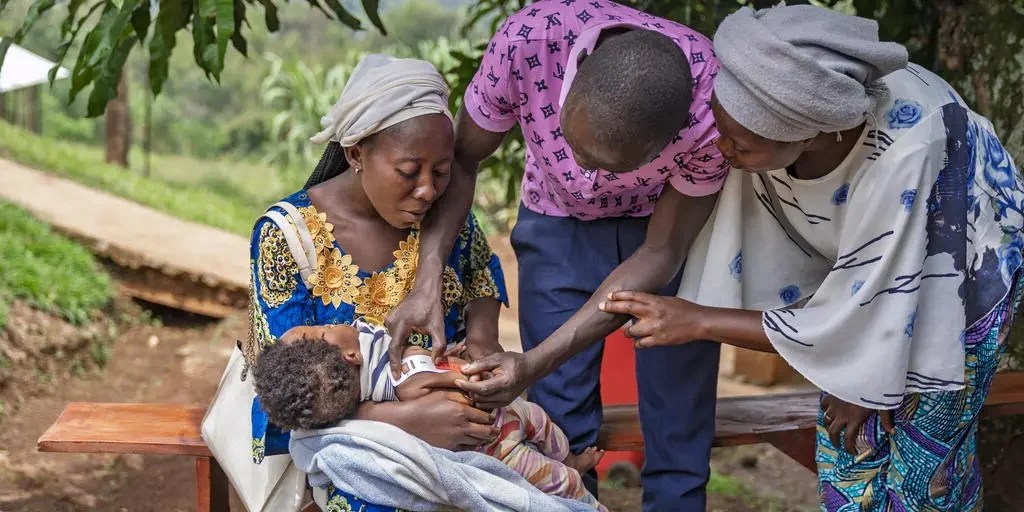
The United Nations is seeking emergency funding to prevent food and medical aid from collapsing in the Democratic Republic of Congo, where conflict has displaced more than seven million people.
Fighting in eastern Congo has intensified in recent months, pushing families out of their homes in North Kivu, South Kivu and Ituri. Entire communities have fled overnight. Many are now living in overcrowded camps, schools or with host families who have little left to share.
According to the UN Office for the Coordination of Humanitarian Affairs, the 2025 Humanitarian Response Plan for DRC required billions of dollars to sustain operations ranging from emergency food distribution to trauma care and clean water delivery. Current funding levels cover only a fraction of that target, forcing agencies to scale back assistance in several provinces.
OCHA reports that millions of Congolese are facing acute food insecurity, with displaced families at the highest risk. Access to farmland has been cut off in many conflict zones. Markets have been disrupted. Transport routes remain insecure, making it harder for aid trucks to move safely.
The World Food Programme has warned that without immediate financial support, food pipelines could be interrupted in the coming months. That would mean ration cuts or suspensions in areas already struggling with hunger. WFP says displacement continues to rise as armed groups expand their operations and clashes with government forces persist.
Health services are also under strain. Medical partners operating in the east report shortages of essential medicines, including treatments for cholera, measles and severe malnutrition. Some health centers have been damaged or abandoned as fighting spreads. Vaccination campaigns have been disrupted in several territories.
The UN says the appeal is not only about food. It includes funding for emergency shelter, sanitation facilities, protection services for women and children, and support for survivors of sexual violence. Aid agencies say insecurity has complicated humanitarian access, leaving some areas reachable only through negotiated corridors or air transport.
Displacement figures continue to climb as violence shifts from one territory to another. Camps near Goma and other major towns are expanding rapidly, with new arrivals registering each week. Local authorities and humanitarian coordinators say resources are thinning as needs grow.
As of the latest UN updates, the funding gap remains substantial, with humanitarian operations at risk of further reductions if additional donor commitments are not secured in the coming weeks.