Physical Address
Delta Corner Tower,
Waiyaki Way, Westlands, Nairobi, Kenya.
Contact us:
Email: info@todaysw.com
Physical Address
Delta Corner Tower,
Waiyaki Way, Westlands, Nairobi, Kenya.
Contact us:
Email: info@todaysw.com
The WHO and UNICEF say global cholera vaccine supplies have stabilized, ending a three-year shortage that forced countries to abandon prevention and focus only on emergency outbreak response.
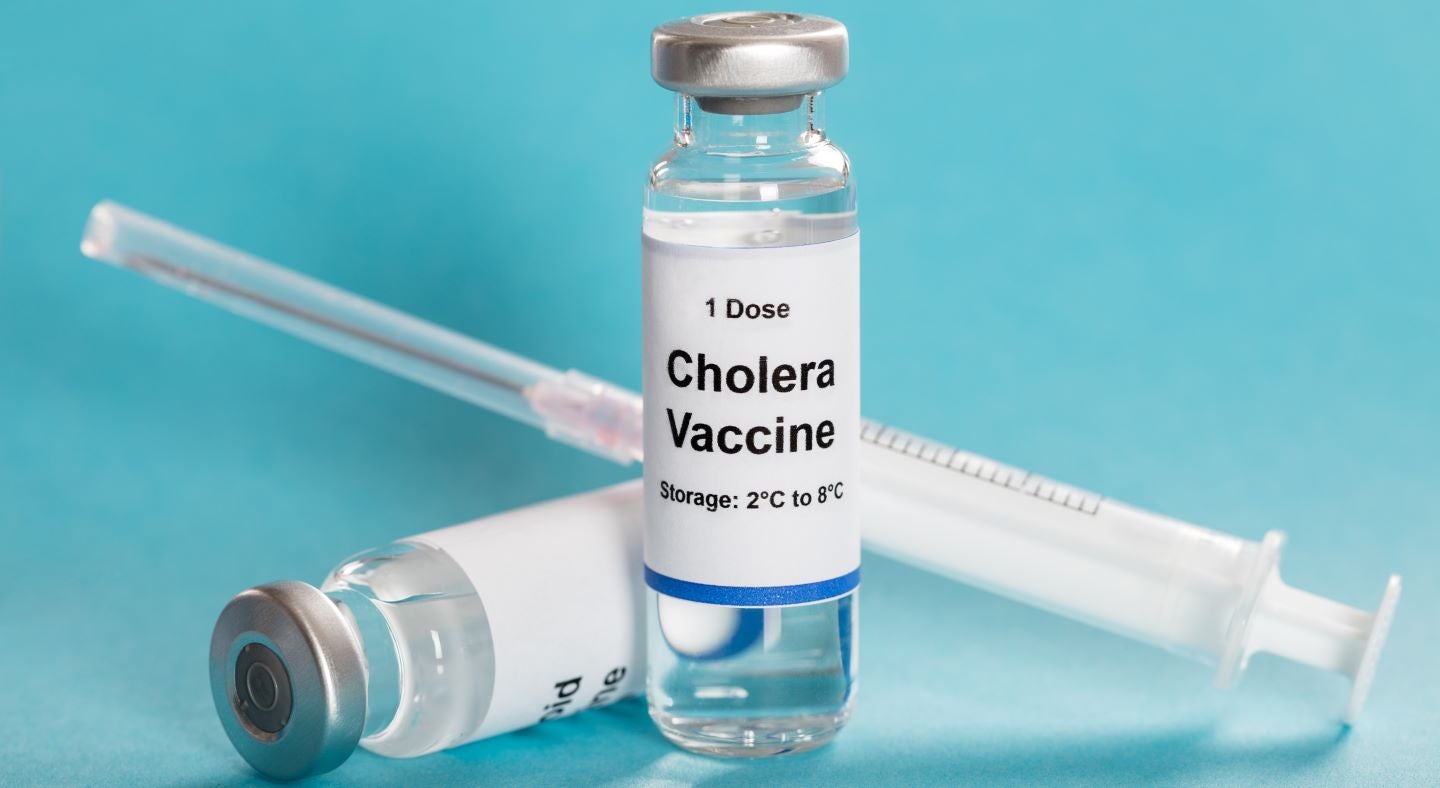
The World Health Organization and UNICEF announced that global stocks of oral cholera vaccines have finally reached levels sufficient to restart large-scale preventive vaccination campaigns, marking a major shift in how countries can respond to one of the world’s most persistent waterborne diseases.
For the past three years, vaccine shortages have forced health agencies into a defensive posture. Instead of vaccinating vulnerable populations ahead of outbreaks, officials were compelled to ration limited doses and deploy them only after cholera had already spread, often too late to prevent large-scale transmission.
According to the two agencies, manufacturing output has now caught up with surging global demand, allowing the international vaccine stockpile to stabilize for the first time since 2022. This opens the door for pre-emptive campaigns in high-risk regions, including refugee settlements, flood-prone areas, and densely populated urban zones with poor sanitation.
Cholera remains endemic in more than 40 countries and has resurged sharply in recent years, fueled by conflict, climate-driven flooding, and collapsing water infrastructure. WHO data shows that reported cholera cases increased dramatically during the shortage period, with Africa and parts of the Middle East bearing the heaviest burden.
During the supply crisis, health authorities were forced to adopt emergency measures, including reducing the standard two-dose vaccination schedule to a single dose in order to stretch limited supplies. While this approach offered short-term protection, it significantly reduced the duration of immunity, leaving communities vulnerable to repeat outbreaks.
WHO officials say the restored supply will allow a return to full-dose strategies and long-term prevention planning. Countries can now vaccinate populations before seasonal rains, displacement crises, or anticipated outbreaks, rather than racing to contain them afterward.
UNICEF, which manages vaccine procurement and delivery, said the recovery reflects expanded production capacity and improved coordination with manufacturers. Several producers reportedly scaled up output after repeated emergency appeals from global health agencies.
Public health experts stress that vaccines alone will not eliminate cholera. The disease is closely linked to access to clean water, sanitation, and hygiene, and outbreaks often signal deeper infrastructure failures. Still, preventive vaccination is considered one of the fastest and most effective tools for reducing deaths during crises.
The announcement comes as multiple humanitarian emergencies continue to raise cholera risks, including ongoing conflicts, mass displacement, and climate-related disasters. Flooding in parts of East and Southern Africa has already heightened concern about contamination of water sources ahead of the next rainy seasons.
Health agencies are now working with governments to identify priority regions for preventive campaigns, focusing on areas with repeated outbreaks or fragile health systems. Planning is already underway for multi-country vaccination drives later this year.
Despite the improved outlook, WHO cautioned that global demand for cholera vaccines remains high and fragile. Any disruption in production, funding, or distribution could quickly reverse recent gains, especially as climate extremes continue to intensify pressure on water systems in vulnerable countries.
For countries that have spent three years reacting to emergencies, the shift back to prevention marks a rare moment of breathing room, even as cholera continues to exploit the same structural weaknesses that allowed it to surge in the first place.