Physical Address
Delta Corner Tower,
Waiyaki Way, Westlands, Nairobi, Kenya.
Contact us:
Email: info@todaysw.com
Physical Address
Delta Corner Tower,
Waiyaki Way, Westlands, Nairobi, Kenya.
Contact us:
Email: info@todaysw.com
The U.S. administration is pushing to repeal the landmark Endangerment Finding that declared greenhouse gases a threat to public health, a shift expected to trigger major regulatory upheaval and widespread legal challenges.
The Endangerment Finding, issued in 2009, has been the legal backbone of U.S. climate policy for nearly two decades, giving the Environmental Protection Agency (EPA) the authority to regulate greenhouse gases like carbon dioxide and methane under the Clean Air Act.
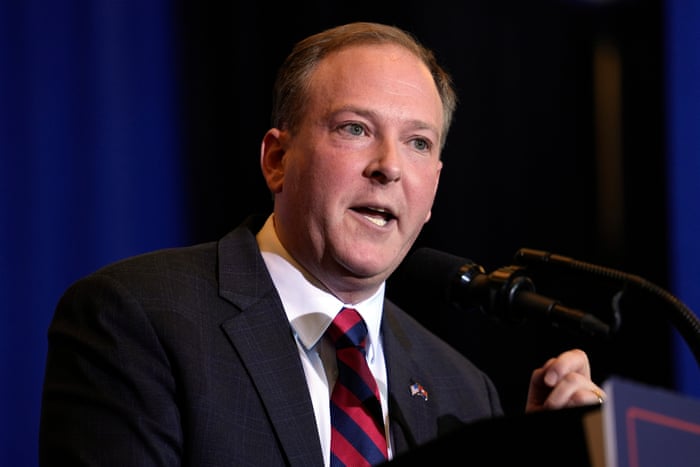
EPA Administrator Lee Zeldin and the White House argue that the agency has overreached and that the Clean Air Act was never intended to cover global climate pollutants, not local or regional air quality issues. In their view, reversing the finding will remove what they describe as unnecessary regulatory burdens on industry and open the door to greater “American energy dominance.”
Repealing the Endangerment Finding wouldn’t just be symbolic. Current federal rules that limit greenhouse gas emissions from cars, trucks, power plants and industrial sources are based on that scientific determination. If the finding is dismantled, the legal foundation for those regulations would disappear, effectively hamstringing the EPA’s ability to enforce or introduce federal climate protections.
For climate scientists and environmental advocates, the move is alarm-raising. They say the 2009 finding was rooted in overwhelming scientific evidence linking greenhouse gas emissions to rising global temperatures, extreme weather, air pollution and public health risks. Critics argue that undoing it ignores decades of peer-reviewed research and jeopardizes efforts to protect communities from heat waves, wildfires, respiratory illness and other climate-related harms.
Environmental groups and Democratic-led states are already preparing challenges. Legal experts predict years of court battles over whether the repeal is lawful, pointing to the 2007 Supreme Court decision in Massachusetts v. EPA that affirmed EPA authority to regulate greenhouse gases as air pollutants. Opponents describe the repeal bid as an attempt to sidestep settled science and long-standing legal frameworks.
Some industry voices are split. Certain fossil fuel and smaller manufacturing groups welcome the rollback as a way to reduce regulatory costs and ease compliance burdens. Others warn that prolonged regulatory uncertainty could disrupt long-term planning, investment and international competitiveness, especially as other countries tighten climate standards.
State officials in California and other jurisdictions are already discussing how to fill the gap if federal authority erodes. California could, in theory, expand its own climate rule including vehicle standards, but a patchwork of state policies could also complicate national markets and legal frameworks.
Public comments on the EPA’s proposal, which began more than a year ago, ran into the hundreds of thousands and included fierce criticism from health, environmental and scientific organizations. The rule now awaits formal publication and what many predict will be intense litigation once it is finalized later this year.
Efforts to repeal the Endangerment Finding come amid a broader campaign by the administration to roll back numerous environmental regulations. If successful, the move could redraw the landscape of U.S. climate policy and weaken the federal government’s role in combating climate change.