Physical Address
Delta Corner Tower,
Waiyaki Way, Westlands, Nairobi, Kenya.
Contact us:
Email: info@todaysw.com
Physical Address
Delta Corner Tower,
Waiyaki Way, Westlands, Nairobi, Kenya.
Contact us:
Email: info@todaysw.com
Hong Kong pro-democracy figure and media tycoon Jimmy Lai has been sentenced to 20 years in prison, a ruling that has triggered sharp condemnation from Western governments and renewed scrutiny of the city’s security law.
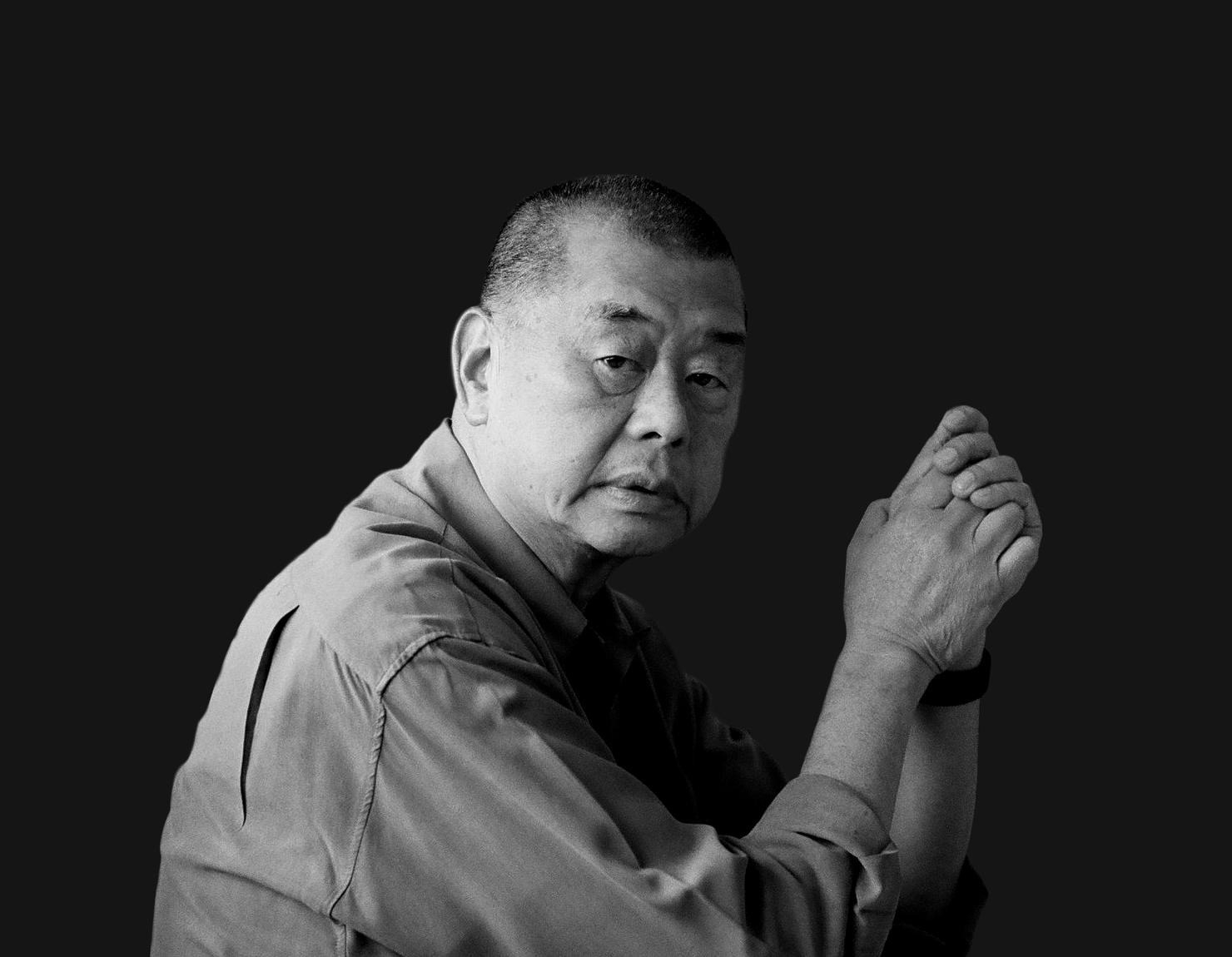
Jimmy Lai, the 78-year-old founder of the now-shuttered Apple Daily, stood quietly in court as judges handed down one of the heaviest sentences yet under Hong Kong’s National Security Law. Twenty years. For publishing, for organizing, for refusing to bend.
The charges stem from a series of cases that prosecutors say show Lai “colluded with foreign forces” and endangered national security. His supporters say the real crime was running a fiercely critical newspaper and openly backing Hong Kong’s democracy movement when Beijing was tightening control.
Lai has been in custody since 2020. His newspaper was forced to close the following year after police raids, asset freezes, and arrests of senior editors drained the company of cash and staff. Newsrooms went dark. Printing presses stopped. One of the city’s loudest pro-democracy voices disappeared almost overnight.
The sentence landed hard beyond Hong Kong. The United Kingdom said it was “deeply concerned,” calling the case a clear example of how the security law is being used to silence dissent. Washington described the ruling as politically motivated and said it showed Beijing had broken its promises to preserve Hong Kong’s freedoms. Canada echoed those concerns, warning that the city’s autonomy continues to erode with each high-profile conviction.
Chinese and Hong Kong authorities rejected the criticism, insisting the case was handled strictly according to law and had nothing to do with press freedom or political views. Officials say no one is above national security and that foreign governments are interfering in China’s internal affairs.
Inside Hong Kong, reactions were more muted. Public protests have become rare, and many former activists are in prison, in exile, or lying low. Media outlets now operate under tighter red lines, with editors increasingly cautious about language, sources, and story selection.
Lai’s legal team has long argued that the charges criminalize normal journalistic work and peaceful political advocacy. International rights groups say his case has become a symbol of how the National Security Law has reshaped Hong Kong’s political and media landscape, replacing uncertainty with fear and self-censorship.
The sentence comes as other democracy figures continue to move through the courts, some facing years behind bars, others still awaiting verdicts. Appeals remain possible, but Lai’s age and health have raised concerns about whether he will ever leave prison a free man.
The ruling adds fresh pressure on Western governments already struggling to balance criticism of Beijing with trade, diplomacy, and regional security interests, while Hong Kong’s courts prepare for the next round of national security trials already scheduled in the months ahead.