Physical Address
Delta Corner Tower,
Waiyaki Way, Westlands, Nairobi, Kenya.
Contact us:
Email: info@todaysw.com
Physical Address
Delta Corner Tower,
Waiyaki Way, Westlands, Nairobi, Kenya.
Contact us:
Email: info@todaysw.com
President Donald Trump has refused to apologise for a racist video shared on his Truth Social account that depicted former President Barack Obama and former First Lady Michelle Obama as apes, saying he did not watch the full clip — even as Republican lawmakers openly condemned the post.
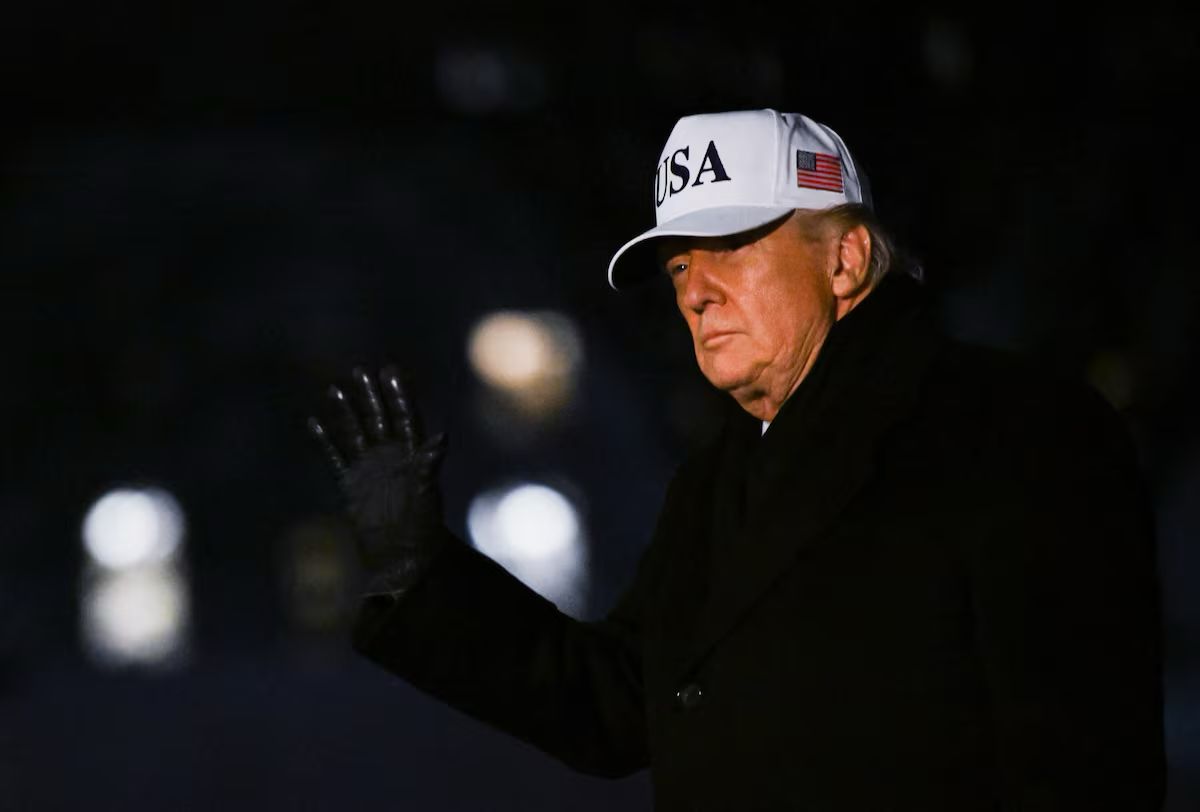
A video posted late Thursday on President Trump’s Truth Social account that included a brief sequence portraying Barack and Michelle Obama as primates sparked a political firestorm Friday, with the president refusing to apologize and prominent Republicans criticizing the post as offensive and unacceptable.
The controversial video, which also pushed debunked 2020 election fraud claims, was shared from Trump’s Truth Social account around 11:44 p.m. ET Thursday and remained online for about 12 hours before being deleted amid widespread backlash. At one point in the minute-long video, the Obama’s faces were superimposed onto apes as a jungle theme played an imagery widely recognized as tied to racist stereotypes.
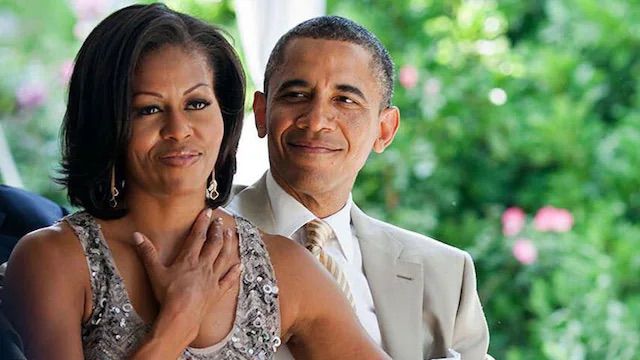
Speaking to reporters aboard Air Force One on Friday, Trump said he did not see the portion of the video featuring the Obama imagery before it was posted and insisted he had not made a mistake. “I didn’t see the whole thing… I looked at the beginning of it,” Trump said, adding that the early segment was about election concerns. He also said he condemned the offensive part of the video but declined to apologize, stating: “No, I didn’t make a mistake.”
The White House initially tried to defend the post. Press Secretary Karoline Leavitt characterized the clip as part of an “internet meme” analogy to The Lion King, where Trump was depicted as a jungle leader and other Democrats as animal characters, calling critics’ outrage “fake.” However, after growing ire from lawmakers, the video was removed and blamed on an aide’s error.
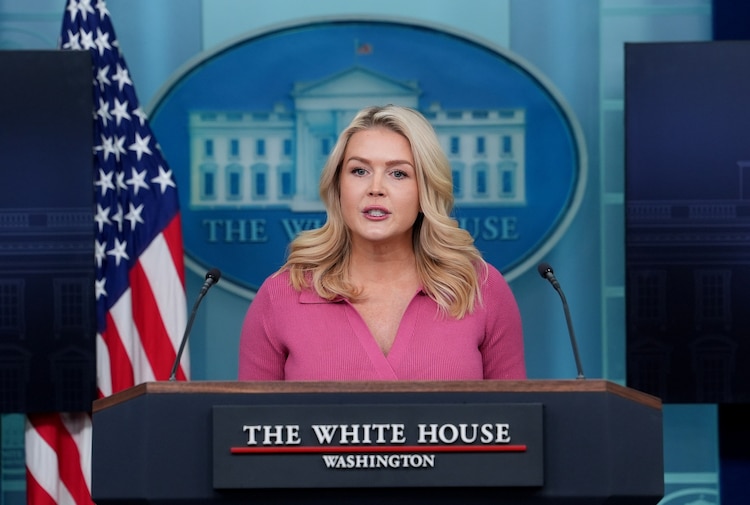
The incident produced an unusual moment of Republican criticism of Trump’s social media conduct. South Carolina Senator Tim Scott, the only Black Republican in the Senate, said the post was “the most racist thing I’ve seen out of this White House” and urged its deletion. Other GOP lawmakers joined the chorus:
Even Republicans who defended Trump’s broader messaging acknowledged the post was harmful, with some saying it should not have been shared and that stronger oversight is needed. The bipartisan condemnations reflect the deep discomfort among legislators over the use of racialized imagery in political communication.
Democrats and civil rights advocates were swift to label the video racist, dehumanizing and damaging to the nation’s civic discourse. House Democratic Leader Hakeem Jeffries called Trump’s behavior “vile” while statements from NAACP and other advocacy groups amplified concerns about the broader implications of normalizing harmful racial tropes.
The controversy unfolded during Black History Month, adding sensitivity and intensity to the reactions. Many observers noted that the stereotype of portraying Black individuals as animals has been historically used to demean and marginalize heightening criticism that even an inadvertent sharing of such imagery demands accountability and apology.