Physical Address
Delta Corner Tower,
Waiyaki Way, Westlands, Nairobi, Kenya.
Contact us:
Email: info@todaysw.com
Physical Address
Delta Corner Tower,
Waiyaki Way, Westlands, Nairobi, Kenya.
Contact us:
Email: info@todaysw.com
A U.S. federal judge has sentenced Ryan Wesley Routh to life in prison plus seven years after he was convicted of trying to assassinate former President and Republican presidential candidate Donald Trump at his Florida golf course.
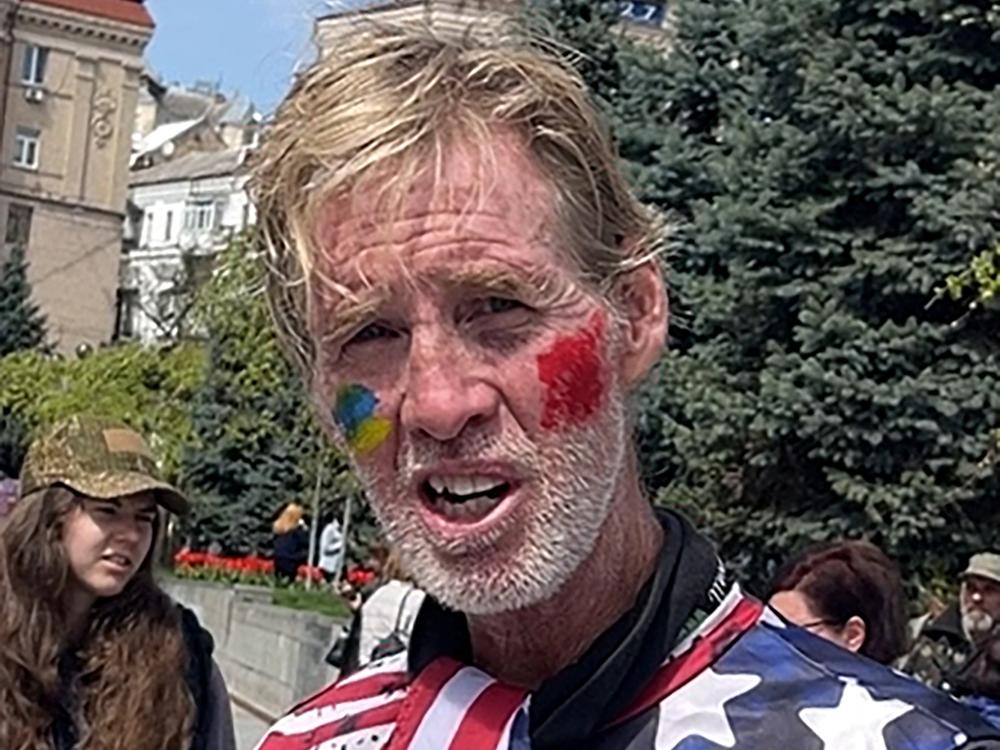
A federal judge on Wednesday handed down a life sentence to Ryan Wesley Routh, 59, who was convicted of attempting to assassinate Donald Trump on September 15, 2024, during a campaign stop at the Trump International Golf Club in West Palm Beach. Prosecutors described Routh’s actions as a calculated plot aimed at a presidential candidate and a threat to American democracy.
Routh was found guilty in September 2025 on five federal counts, including attempted assassination of a major presidential candidate, assaulting a federal officer, possession of a firearm as a felon, and other gun-related offenses. The sentence also includes a mandatory seven-year term for a firearms conviction to run consecutively with life imprisonment.
U.S. District Judge Aileen Cannon, who was appointed by Trump during his presidency, delivered the sentence in a fort Pierce courtroom, emphasizing the premeditated and “evil” nature of Routh’s actions. “It’s clear to me that you engaged in a premeditated, calculated plot to take a human life,” the judge said, rebuking Routh’s attempt to kill a candidate during a high-profile public event.
According to court records and testimony presented at trial, Routh spent weeks planning the attack, tracking Trump’s movements and hiding near the golf course perimeter with a semi-automatic rifle and camouflage gear. A Secret Service agent spotted Routh before Trump came into view, prompting a defensive response that thwarted the attempt and forced Routh to flee the scene. He was apprehended shortly afterward by law enforcement.
During the trial, Routh’s defense argued that he did not intend to kill anyone, pointing out that he never pulled the trigger. However, jurors sided with prosecutors, who presented evidence of meticulous planning, including surveillance of Trump’s schedule and repeated visits to the golf club days before the incident.
Routh chose to represent himself for most of the trial, a decision that led to several dramatic courtroom moments. After being convicted, he attempted to stab himself with a pen as the verdict was read — an act that was quickly stopped by U.S. marshals.
In written filings, Routh maintained he did not intend to kill Trump and even offered a bizarre proposal to be exchanged for political prisoners held abroad. He also requested psychological treatment while in prison, claiming factors such as foreign wars and geopolitical grievances motivated his behavior.