Physical Address
Delta Corner Tower,
Waiyaki Way, Westlands, Nairobi, Kenya.
Contact us:
Email: info@todaysw.com
Physical Address
Delta Corner Tower,
Waiyaki Way, Westlands, Nairobi, Kenya.
Contact us:
Email: info@todaysw.com
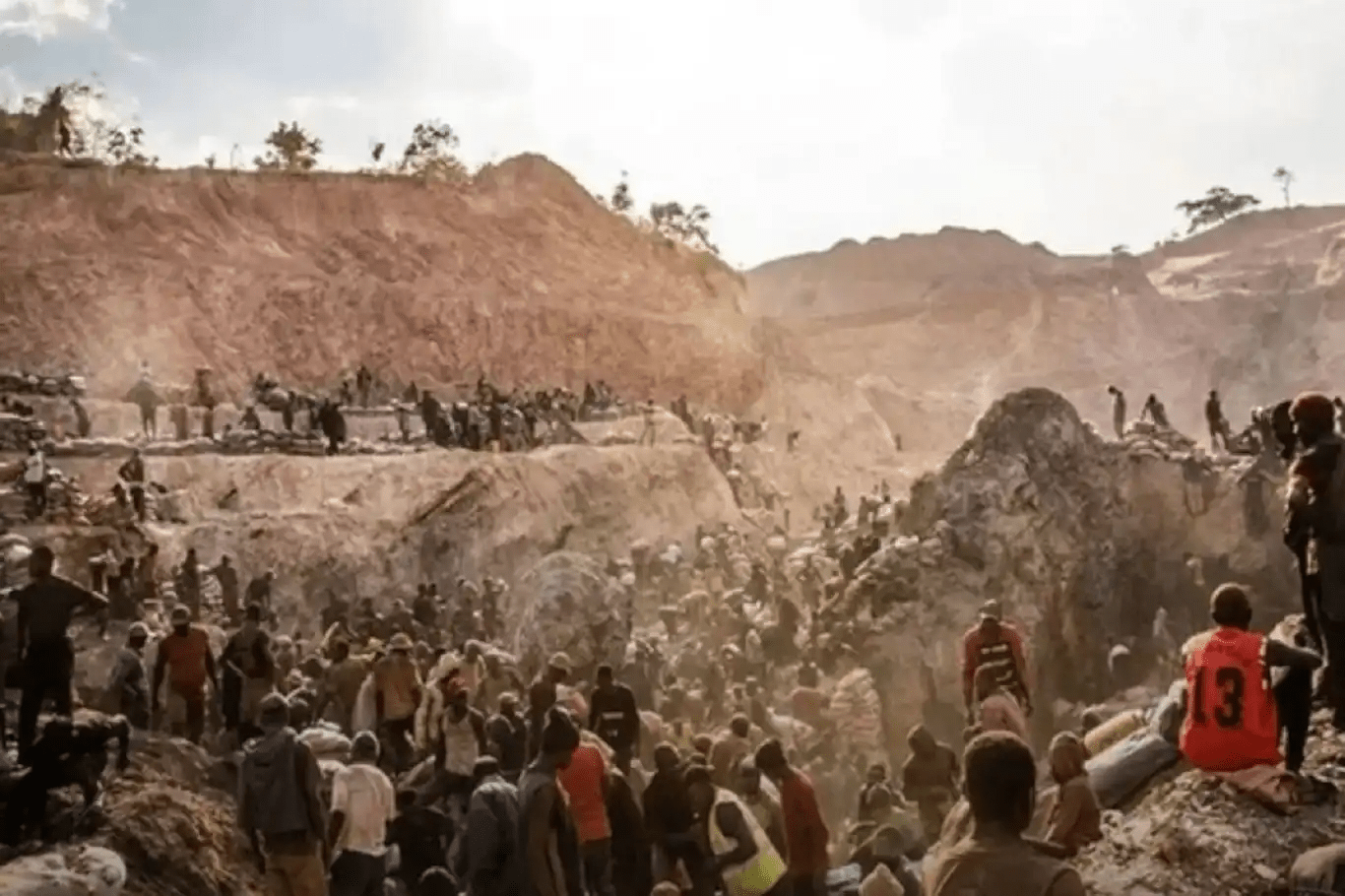
A devastating collapse at a coltan mine in Rubaya in eastern DR Congo has killed more than 200 people, local officials and rebel authorities said Friday, marking one of the deadliest mining disasters in the region’s recent history. The incident has triggered urgent rescue efforts amid mounting concerns about safety and humanitarian fallout.
The tragedy unfolded on Wednesday, when heavy rains and unstable ground conditions caused the mine shafts to give way at several points across the artisanal mining site, burying dozens of miners, children and market women beneath mud and rubble.
“More than 200 people were victims of this landslide, including miners, children and market women,” said Lumumba Kambere Muyisa, spokesperson for the rebel-appointed governor of North Kivu province, where Rubaya is located. He added that some survivors were rescued with serious injuries and were being treated in regional health facilities.
Casualty estimates vary as rescue operations continue, but one adviser to the provincial governor, speaking on condition of anonymity because he was not authorised to speak to the media, said the confirmed death toll was at least 227.
The coltan mine at Rubaya a key source of the mineral used to produce tantalum, vital for smartphones, computers and aerospace components is worked mainly by artisanal miners who dig manually and often live in makeshift settlements beside the shafts.
The site has been under the control of the AFC/M23 rebel group since 2024, a faction accused by the United Nations of plundering mineral resources to fund insurgency efforts. Kigali has denied backing the rebels.
Rescue efforts have been hampered by a combination of continued fragile ground conditions, poor infrastructure and ongoing security risks, officials and witnesses said. Heavy rainfall in the area likely contributed to the collapse, as water undermined the loosely consolidated earth around the tunnels.
Among the victims were not only adult miners but also women and children, reflecting local mining practices where entire families often spend extended hours at the site in search of income.
Medical facilities in the nearby town of Rubaya have reported dozens of wounded, with roughly 20 seriously injured individuals receiving treatment and plans to transport additional patients to larger hospitals in Goma, about 50 kilometres away.
The disaster highlights long-standing concerns about the lack of regulation and safety standards in the eastern DRC’s artisanal mining sector, where unregulated dig sites are common and fatal accidents frequent. Coltan extraction in this region accounts for an estimated 15 percent of the world’s supply, yet few miners benefit from formal protections or adequate emergency response infrastructure.
Community leaders and humanitarian groups are warning of broader consequences beyond the immediate loss of life, including heightened food insecurity, displacement of affected families and psychological trauma. The loss of breadwinners in predominantly rural areas could have far-reaching social impacts.
Calls are mounting for both local and international actors to address mining safety and provide support to communities reliant on artisanal mining for their livelihoods, while also tackling the broader instability that has allowed armed groups to control resource-rich areas of North Kivu and surrounding provinces.
As of Friday evening, efforts to recover remaining bodies and assist survivors were ongoing, with authorities urging anyone with missing family members to come forward and report them to emergency teams.